The American Revolutionary War was the crucible from which a new nation emerged, but this monumental birth was paid for in blood, sacrifice, and staggering human loss. While modern conflicts are often analyzed through the lens of high-tech warfare and massive industrial-scale casualties, the struggle for American independence was a deeply intimate, grueling, and agonizingly slow campaign of attrition. To understand the true weight of this struggle, historians often ask one fundamental question: how many died in the Revolutionary War? The answer reveals a devastating toll that shaped the social fabric, economy, and national identity of the emerging United States. For a young nation of only thirteen sparsely populated colonies, the loss of thousands of young men left deep, enduring scars that lasted for generations.
Historical Background: The Spark of Rebellion and Early Escalation
The armed conflict began in April 1775, when tensions between Great Britain and her American colonies reached a boiling point. British troops, sent to confiscate colonial military supplies in Concord, Massachusetts, encountered an armed and highly resentful local militia. The ensuing skirmishes at Lexington and Concord marked the point of no return. Initially, the colonial forces lacked a highly structured, unified leadership. To understand how the military leadership evolved during these chaotic early months, it is fascinating to examine who commanded the Continental Army before Washington took formal charge. This early period was defined by makeshift forces, raw determination, and an immediate, sharp rise in casualties.
By August 1775, the rebellion had transformed from localized unrest into a full-scale war. Volunteers from across the colonies rushed to Massachusetts to support the patriotic cause. Among them was Private William Simpson of Paxton Township, Pennsylvania, a young man in his early thirties. Stationed on a hillside in Somerville, Massachusetts, Simpson’s story illustrates the tragic brevity of many soldiers’ lives. On August 27, 1775, British artillery fire shattered his leg. Despite a rapid amputation by a camp surgeon, Simpson succumbed to his wounds and was buried that evening. He became one of the earliest entries in a long, tragic ledger of lives cut short.
A Chronological Timeline of Major Engagements and Casualties
To fully grasp the flow of the conflict and how casualties accumulated over eight years of fighting, we must look at the key moments that defined the war’s timeline:
- April 19, 1775: Lexington and Concord – The opening shots of the war result in roughly 93 colonial casualties and 273 British casualties, proving that the colonial militias could stand against professional imperial troops.
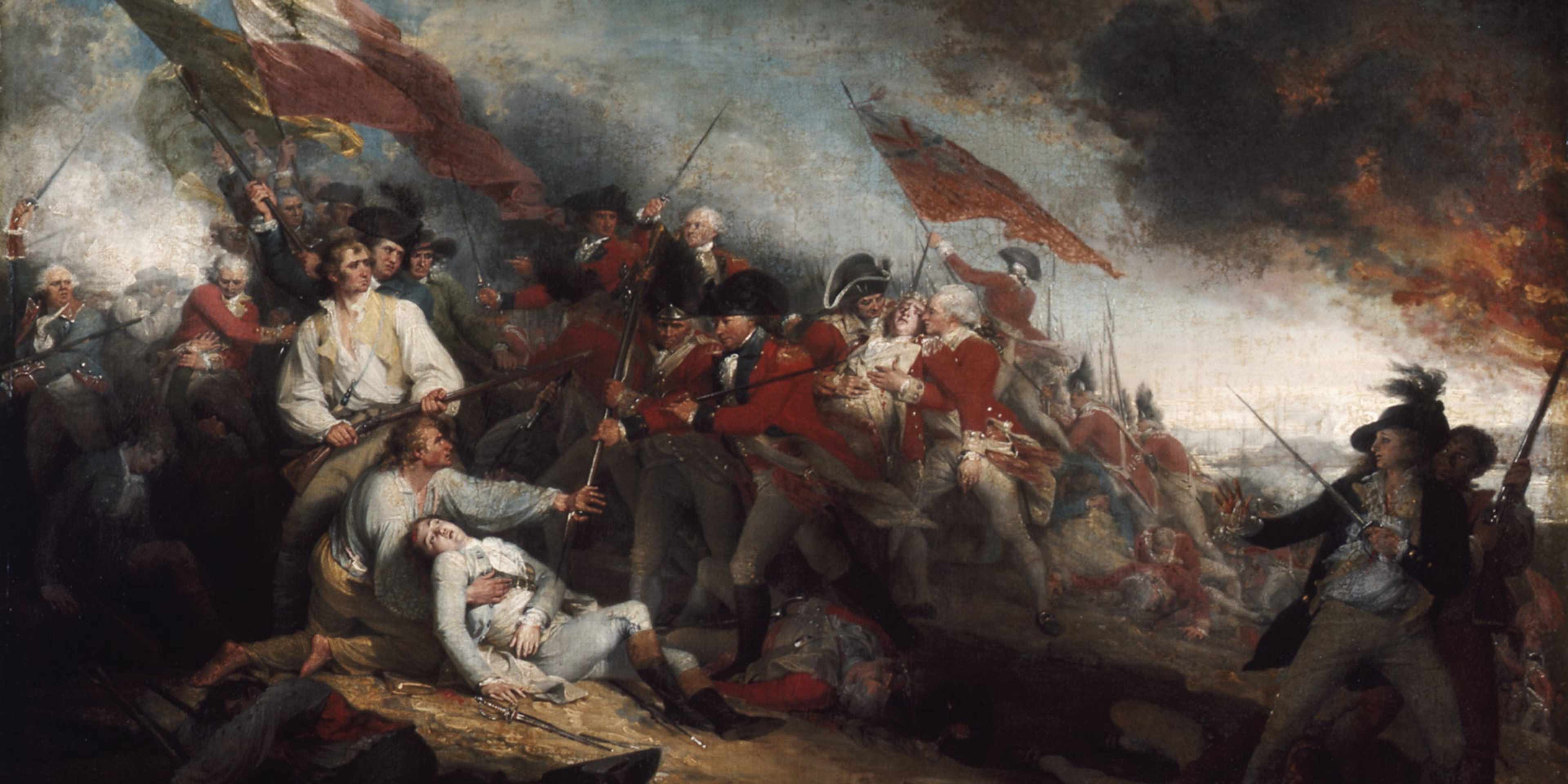
- June 17, 1775: Battle of Bunker Hill – One of the bloodiest engagements of the entire war. The British suffer over 1,000 casualties (more than 200 dead), while the Patriots lose over 400 men. This battle shattered any British illusions of a quick and easy victory.
- August 27, 1776: Battle of Long Island – A crushing defeat for George Washington’s forces, resulting in over 2,000 American casualties, many of whom were captured and sent to British prison ships.
- October 1777: Battles of Saratoga – A crucial turning point where American forces capture an entire British army under General John Burgoyne. While American battle deaths were relatively low (around 90), the victory secured a vital alliance with France.
- October 19, 1781: Siege of Yorktown – The final major land battle of the war. Combined French and American forces secure the surrender of Lord Cornwallis, effectively ending major combat operations with relatively minor casualties on both sides during the siege itself.
The Hidden Killers: Why the Battlefield Wasn’t the Deadliest Place
While the popular imagination associates the Revolutionary War with musket smoke, bayonet charges, and thunderous cannon fire, the reality of death in this era was far more insidious. According to historian Howard H. Peckham’s landmark 1974 study, The Toll of Independence, an estimated 25,534 American combatants lost their lives during the eight-year war. This book remains the most meticulous and widely accepted accounting of the conflict’s human cost.
Astonishingly, only about 27 percent of those deaths occurred in actual combat. Peckham’s research, which analyzed 1,331 land battles and 215 naval engagements, concluded that 8,624 Americans were killed in battle. The remaining 73 percent—more than 18,000 men—perished due to disease, camp exposure, and horrific conditions in captivity. Camp sanitation was virtually non-existent, and military physicians possessed no knowledge of germ or viral theories. While they excelled at quick amputations, they were powerless against infectious outbreaks. Dysentery, typhus, and smallpox swept through crowded Continental Army camps, turning military cantonments into breeding grounds for mortality.
The Nightmarish Reality of British Prison Ships
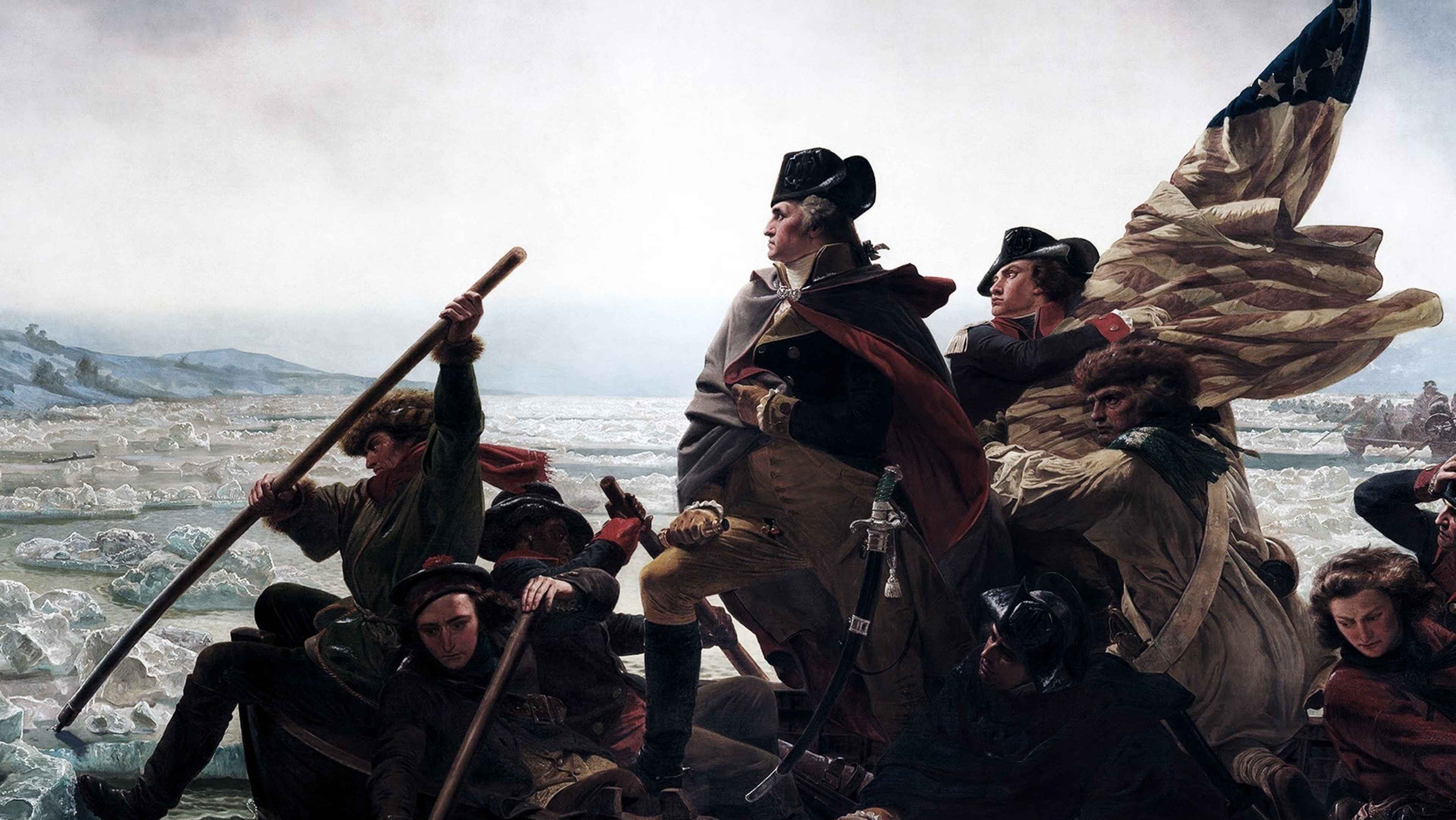
For captured American soldiers, surrender was rarely a guarantee of survival. Enlisted POWs were routinely packed into decommissioned British warships anchored in New York Harbor, the most notorious of which was the HMS Jersey, grimly nicknamed ‘Hell’. These floating prisons were dark, unventilated, and heavily congested petri dishes of disease. Prisoners were starved, physically abused, and denied clean water. It is estimated that approximately 8,500 Americans died in British captivity, a number nearly equal to the total battlefield deaths of the entire war. British officers frequently embezzled food budgets meant for prisoners, choosing personal enrichment over the lives of men they legally classified as rebellious traitors.
Key Figures and Their Battle Against Invisible Foes
The struggle to preserve the Continental Army was fought not just by generals on horseback, but by leaders fighting a desperate war against disease:
- General George Washington: Recognizing that smallpox was a greater threat to his army than British muskets, Washington made the bold and controversial decision in early 1777 to mandate the inoculation of the entire Continental Army. This mass immunization program was a massive success, preserving his fighting force when it was most vulnerable.
- Dr. Benjamin Rush: A signer of the Declaration of Independence and a prominent civic leader, Rush served as a surgeon general in the Continental Army. Though his medical theories (such as bloodletting) seem archaic today, his advocacy for camp hygiene and sanitation saved countless lives.
- General William Howe: The commander-in-chief of British land forces during the early years of the war, whose strict and often indifferent administration of American prisoners of war contributed directly to the high mortality rate on prison ships.
Demographics and the Devastating Impact on the 13 Colonies
To truly understand the answer to how many died in the Revolutionary War, one must look beyond raw numbers and examine the demographic reality of the era. The total population of the demographic landscape of the 13 colonies in 1776 was roughly 2.5 million people, of whom about 500,000 were enslaved African Americans. This means that losing 25,000 military age males represented about one percent of the entire colonial population.
To put this in a modern perspective, losing one percent of the United States population today would equate to more than 3.5 million deaths. This massive loss created a critical shortage of young men, heavily disrupting the agrarian economy of the young republic. Because agriculture was the primary economic engine, families struggled to maintain farms, plant crops, and harvest fields without their sons, husbands, and fathers. The profound economic disruptions and social upheaval highlighted the deep vulnerabilities of the complex social structure of the 13 colonies as they transitioned from British subjects to citizens of a fledgling independent nation.
Lesser-Known Facts and Surprising Anecdotes
History is often written in broad strokes, but the human details of the Revolutionary War offer a fascinating look into the daily reality of 18th-century combat:
- The Power of the Musket Ball: Although 18th-century muskets were highly inaccurate beyond 100 yards, the lead balls they fired were incredibly destructive. Measuring up to .75 caliber, these soft lead projectiles would flatten and shatter bone upon impact, making amputation the only viable medical recourse to prevent gangrene.
- The Bayonet Psych-Out: While soldiers were trained in bayonet drills, actual bayonet combat was rare. The primary purpose of a bayonet charge was psychological. The sight of a wall of glittering steel charging at close range usually terrified opponents, causing them to break ranks and flee.
- A Privatized Starvation System: British military supply officers operated under a requisitioning system that allowed them to keep any unspent funds. This meant officers had a direct financial incentive to underfeed American POWs, turning military prison administration into a highly lucrative enterprise of starvation.
Why the Legacy of This Sacrifice Still Matters Today
The high casualty rate of the Revolutionary War deeply impacted the cultural identity of the United States. Unlike European nations that had centuries of shared history, the United States had to build an identity from scratch. The profound trauma of losing one percent of the population fostered the concept of ‘American exceptionalism’—the belief that the nation was born from an extraordinary, divinely sanctioned sacrifice that demanded unwavering patriotism. The memory of those who died, combined with the extreme hardships endured by the survivors, established a national mythos of resilience, tenacity, and a collective willingness to overcome seemingly insurmountable odds. Today, understanding these losses helps us appreciate the fragility of democratic institutions and the true cost of the liberties enjoyed in modern America.
People Also Ask (FAQ)
How many British soldiers died in the Revolutionary War?
While British imperial records from the era are notoriously incomplete, the American Battlefield Trust estimates total British casualties—including those killed in action, wounded, captured, or missing—at roughly 24,000. Additionally, approximately 7,500 German (Hessian) mercenaries hired by the British crown lost their lives during the conflict.
What was the deadliest battle of the American Revolution?
In terms of single-day American casualties, the Battle of Long Island (August 27, 1776) was incredibly devastating, resulting in over 2,000 Patriot casualties. In terms of sheer intensity and concentrated loss of life, the Battle of Bunker Hill in June 1775 remains one of the bloodiest, with over 1,000 British casualties and 400 American casualties in just a few hours of combat.
Why was disease so deadly to soldiers during the war?
Soldiers lived in highly crowded, unsanitary camps with poor waste management and contaminated water sources. Because medical science had not yet discovered germ theory, military physicians could not prevent or properly treat highly infectious bacterial and viral diseases like smallpox, typhus, and dysentery, which spread rapidly through the ranks.
Conclusion: Remembering the Human Cost of Liberty
The American Revolutionary War was not just a series of brilliant political declarations or strategic military maneuvers; it was a deeply human tragedy that touched nearly every household in the thirteen colonies. The loss of 25,534 patriots represents a massive demographic sacrifice that laid the cornerstone of American independence. By examining the true breakdown of these deaths—where disease and prison ships claimed far more lives than battlefield combat—we gain a more profound, realistic, and respectful understanding of the immense hardships endured by those who fought. Their sacrifice forged a national identity of perseverance that continues to define the United States to this day.


