During the darkest days of the American Revolutionary War, the British military turned New York City into their primary headquarters and naval base. Following the disastrous defeat of the Continental Army in the summer of 1776, General George Washington faced an existential crisis: he was fighting a blind war, desperately lacking reliable, real-time intelligence on enemy troop movements. The tragic hanging of young patriot spy Nathan Hale in September 1776 illustrated the terrifying stakes of espionage. Recognizing the need for a highly organized, professional intelligence network, a young cavalry officer named Major Benjamin Tallmadge stepped forward in 1778. He established the Culper Spy Ring, a covert operative network primarily composed of his trusted childhood friends from the quiet coastal town of Setauket, Long Island. This unassuming group of citizens—farmers, tavern keepers, and merchants—engineered a masterfully secure network that became the eyes and ears of the American rebellion. By employing highly advanced codes, invisible ink, and ingenious signaling methods, the Culper Spy Ring successfully altered the course of the Revolution, proving that wars are won not just on the battlefield, but in the shadows of history.
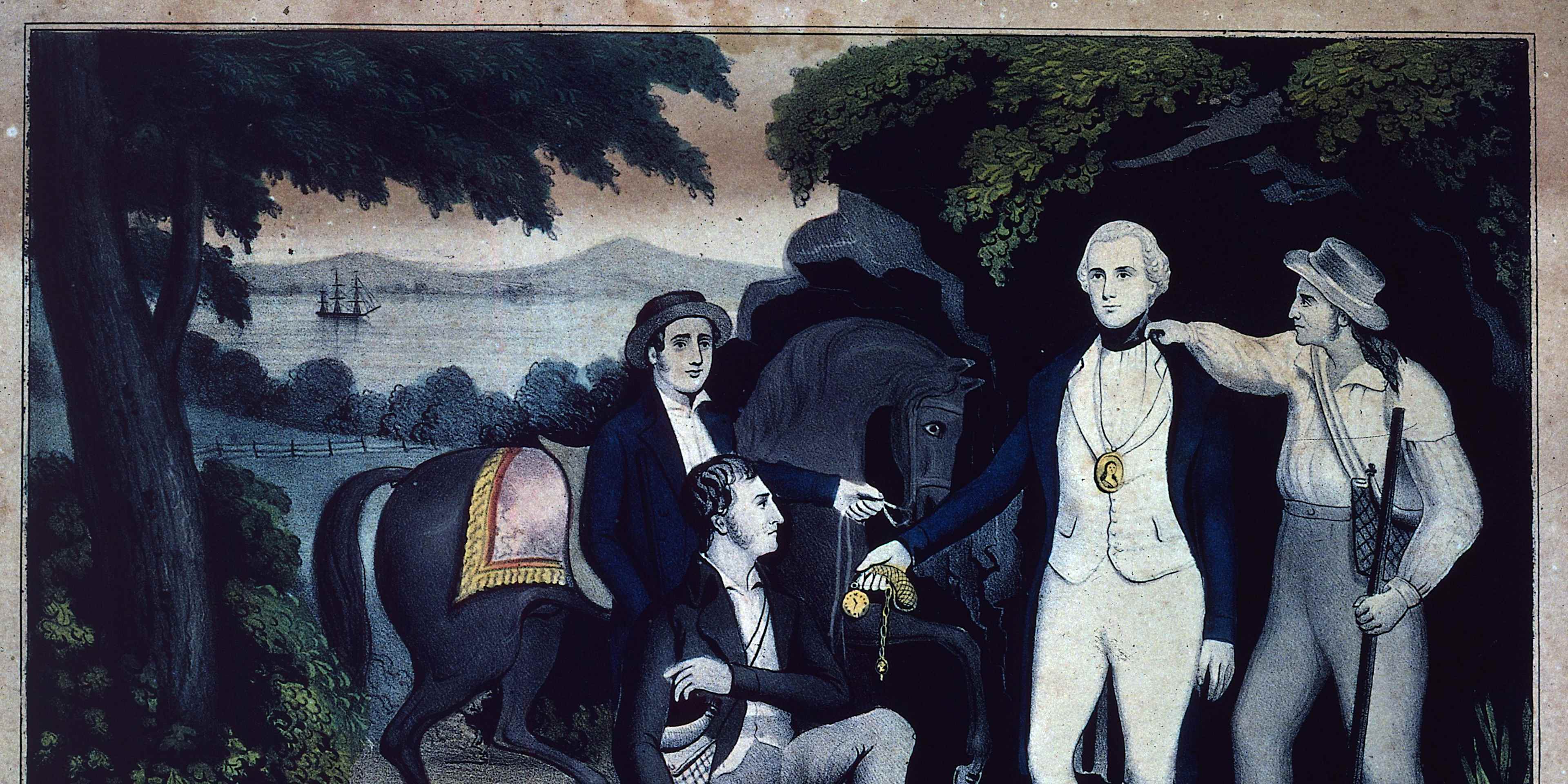
Historical Background and the Desperate Need for Intelligence
In August 1776, the British Army delivered a crushing blow to the Continental Army at the Battle of Long Island. General George Washington was forced to retreat, leaving New York City in British hands. For the remainder of the war, the city served as the nerve center for British operations in North America. This military occupation split families and created an atmosphere of deep suspicion across the 13 colonies. Washington realized early on that traditional military tactics would not suffice against the superior numbers and resources of the British Empire. To defeat them, he needed to know what they were planning before they acted.
At the war’s outset, American intelligence was disorganized and amateurish. The execution of Nathan Hale, who was captured on his very first mission due to a lack of proper tradecraft, underscored the dangers of uncoordinated espionage. Washington, who had previously seen varied leadership under those who had commanded the Continental Army in its earliest militia phases, took a direct personal interest in building a professional intelligence apparatus. In 1778, he appointed Major Benjamin Tallmadge, a brilliant and forward-thinking young officer, to oversee the secret service operations. Tallmadge’s strategic masterstroke was to avoid professional mercenaries or unreliable double agents; instead, he built a localized network of ordinary citizens bound by blood, friendship, and an unwavering commitment to liberty.
The Timeline of the Culper Spy Ring (1776–1783)
The operational lifespan of the Culper Spy Ring spanned the most critical years of the American Revolution. Below is the chronological progression of this legendary espionage network:
- August 1776: British forces capture New York City, establishing it as their primary garrison.
- September 1776: Nathan Hale is hanged as a spy, demonstrating the fatal risks of uncoordinated reconnaissance behind British lines.
- Late 1778: Major Benjamin Tallmadge officially commissions Abraham Woodhull of Setauket, Long Island, to organize a formal intelligence network under the alias ‘Samuel Culper.’
- Summer 1779: As Woodhull’s anxiety of discovery rises, Robert Townsend is recruited in Manhattan. Writing under the code name ‘Samuel Culper, Jr.,’ Townsend becomes the primary intelligence gatherer in the heart of British-occupied New York.
- July 1780: The ring uncovers a British plot to launch a surprise attack on newly arrived French forces in Newport, Rhode Island, averting a disaster that could have fractured the Franco-American alliance.
- September 1780: Information secured by the ring aids in the exposure of Benedict Arnold’s treasonous conspiracy to surrender West Point, leading to the capture and execution of British Major John André.
- November 1783: Following the Treaty of Paris, British troops formally evacuate New York City. The Culper Spy Ring quietly disbands, its members returning to civilian life with their identities intact.
Important Figures and Their Covert Roles
The success of the Culper Spy Ring relied on the absolute trust and seamless cooperation of a handful of brave individuals, each playing a specialized role in the transmission of secrets:
Major Benjamin Tallmadge (Code Name: John Bolton)
As the ring’s director, Tallmadge coordinated communication between the operatives and General Washington. He designed the sophisticated Culper Code Book and maintained strict control over the flow of information, ensuring that even Washington remained unaware of the spies’ true identities to protect them from potential capture.
Abraham Woodhull (Code Name: Samuel Culper, Sr.)
Operating from Setauket, Woodhull managed the day-to-day logistics of the ring. He regularly traveled to New York City under the pretense of visiting family or conducting farm business, gathering intelligence on British fortifications and troop movements before handing the reports to couriers.
Robert Townsend (Code Name: Samuel Culper, Jr.)
A quiet, well-connected merchant and society writer in Manhattan, Townsend was perfectly positioned to overhear sensitive conversations. He gathered intelligence directly from British officers who frequented his dry-goods store and coffee houses, translating these observations into highly detailed written reports.
Caleb Brewster
A daring whaleboat captain, Brewster served as the physically demanding link between Long Island and Connecticut. He navigated the treacherous waters of the Long Island Sound, dodging British patrol ships to transport encoded dispatches from Setauket to Fairfield, Connecticut, where Tallmadge would receive them.
Austin Roe
A tavern keeper from Setauket, Roe acted as the primary courier. He routinely made the dangerous 55-mile ride to New York City under the guise of buying tavern supplies, dropped off coded messages for Townsend, and returned with fresh intelligence safely hidden in his cargo.
Anna Smith Strong
An unsung heroine of the American Revolution, Strong was Woodhull’s neighbor in Setauket. She used her daily household chores to assist the ring, hanging a black petticoat and a specific number of handkerchiefs on her clothesline to signal to Woodhull which cove Brewster’s whaleboat was hidden in for their clandestine meetings.
The Tradecraft: Invisible Ink, Codes, and Secret Channels
What distinguished the Culper Spy Ring from other intelligence networks of the era was its unprecedented level of security. Tallmadge introduced revolutionary tradecraft methods that set a new standard for modern espionage. Chief among these was the use of ‘sympathetic stain’—an early form of invisible ink invented by James Jay. This chemical compound required a specific reagent to reveal the hidden text, allowing spies to write seemingly mundane letters between the lines of which were crucial military secrets.
To further protect their correspondence, Tallmadge compiled the Culper Code Book, a list of 763 numerical codes representing specific names, places, and common vocabulary. For instance, Washington was represented by the number 711, New York was 727, and ‘spy’ was 355. This code was so secure that even if British interceptors seized a letter, they were left with a meaningless sequence of numbers. This secure and tightly controlled messaging system proved to be an invaluable defense, showcasing how early colonial settlements and towns managed to adapt local communications to resist imperial control and safeguard their communities.
Major Turning Points and War-Saving Triumphs
The Culper Spy Ring did not merely collect passive data; their timely intelligence actively prevented catastrophic military defeats. Two historic turning points highlight their immense strategic value:
Saving the French Alliance (1780)
In July 1780, French Admiral Rochambeau arrived in Newport, Rhode Island, with thousands of French troops to aid the American cause. The British command in New York immediately planned a massive surprise naval and land assault to crush the French force before they could establish their positions. Robert Townsend discovered the British plan in Manhattan, and the network sprung into action. Austin Roe rode furiously to Setauket; Woodhull decoded the information; Brewster rowed across the Sound; and Tallmadge delivered the warning to Washington. Armed with this knowledge, Washington staged a massive, deceptive march toward New York City, feigning an imminent attack. The ruse succeeded. Fearing for his headquarters, British General Henry Clinton recalled his troops, allowing the French forces to safely consolidate their positions and secure the alliance that would eventually win the war.
Exposing Benedict Arnold’s Treason
In the autumn of 1780, the Culper Spy Ring began noting unusual activities and heightened security around West Point, a critical American fortress. Through their intelligence and keen observation, they helped expose the treasonous plot of General Benedict Arnold, who was negotiating to sell the fort to the British. The ring’s warnings put the Continental Army on high alert, ultimately leading to the capture of Arnold’s British contact, Major John André, and preventing a catastrophic loss of control over the Hudson River.
The Long-Term Impact on America
The legacy of the Culper Spy Ring extends far beyond the Treaty of Paris in 1783. It established the foundational doctrine for American military intelligence. General George Washington’s transformation into a master strategist of clandestine warfare set a precedent for future presidents, illustrating that intelligence gathering is an essential pillar of national defense. The tradecraft pioneered by Tallmadge—including structured chains of command, code books, double-agent management, and invisible writing—is still studied today by modern intelligence agencies, including the Central Intelligence Agency (CIA).
Lesser-Known Facts About the Culper Spy Ring
- The Mystery of Agent 355: One of the most intriguing secrets of the ring is the identity of ‘Agent 355,’ the code number for a lady in the Culper vocabulary. Historians believe she was a well-placed society woman in New York who provided critical clues about British officers, though her true identity remains a subject of intense historical debate.
- Secrets Kept to the Grave: Robert Townsend (Samuel Culper, Jr.) was so dedicated to secrecy that he never told his own family about his espionage activities. His role as a revolutionary spy remained completely unknown until 1930, when an enterprising historian matched the handwriting on Townsend’s business letters to the original ‘Culper, Jr.’ reports.
- Washington’s Blind Trust: To ensure absolute deniability, George Washington purposely chose not to know the real names of the operatives working under Tallmadge. He trusted Tallmadge implicitly, recognizing that the less he knew, the safer his spies would be.
Why the Culper Spy Ring Still Matters Today
In an era dominated by digital surveillance, cyber warfare, and satellite tracking, the Culper Spy Ring reminds us of the power of human intelligence (HUMINT) and community trust. The success of the network was built entirely on personal relationships, mutual trust, and shared ideals. It stands as a powerful testament to the impact that ordinary citizens can have on the trajectory of a nation when they unite behind a common cause of liberty and self-determination.
People Also Ask
Who was the leader of the Culper Spy Ring?
The Culper Spy Ring was organized and led by Major Benjamin Tallmadge, a Continental Army cavalry officer, under the direct authority and oversight of General George Washington.
How did the Culper Spy Ring send messages?
The ring utilized a complex system: Austin Roe carried messages from New York City to Setauket; Anna Smith Strong signaled Brewster’s location via her clothesline; Caleb Brewster rowed the messages across the Long Island Sound; and Major Tallmadge delivered them to Washington. They secured these messages using invisible ink and a 763-number code book.
Did George Washington know who the Culper spies were?
No, George Washington did not know the true identities of most members of the ring, including Robert Townsend and Abraham Woodhull. He only knew their pseudonyms, ‘Samuel Culper, Sr.’ and ‘Samuel Culper, Jr.,’ to maintain absolute operational security.
What was the significance of the Culper Spy Ring?
The ring was the most successful intelligence operation of the Revolutionary War. It successfully uncovered British plans to ambush the French Army in Rhode Island, exposed Benedict Arnold’s treason at West Point, and provided continuous, reliable intelligence on British forces in New York from 1778 to 1783.
Conclusion
The Culper Spy Ring represents a brilliant chapter in the story of American independence. Operating under the constant threat of execution, this small band of patriots used cutting-edge tradecraft, unparalleled bravery, and strict discipline to outmaneuver the most powerful empire in the world. Their efforts proved that intelligence and strategy are just as crucial as ammunition and manpower, leaving an indelible legacy that continues to shape the field of intelligence and the defense of the nation to this day.


