On the pitch-black night of October 14, 1781, a quiet group of Continental soldiers crept toward the British fortifications at Yorktown, Virginia. At the head of this vanguard was Alexander Hamilton, a brilliant but frustrated lieutenant colonel who was desperate to prove his worth on the battlefield. To ensure absolute secrecy, Hamilton made a daring and seemingly counterintuitive command: he ordered his men to completely unload their muskets. They would rely entirely on the cold steel of their bayonets. This high-stakes gamble would lead to one of the most remarkable tactical victories of the American Revolutionary War, securing Hamilton his long-sought military glory and sealing the fate of British rule in North America. The Siege of Yorktown stands as the ultimate climax of the war, where strategic patience, international alliances, and raw tactical audacity converged to birth a new nation.
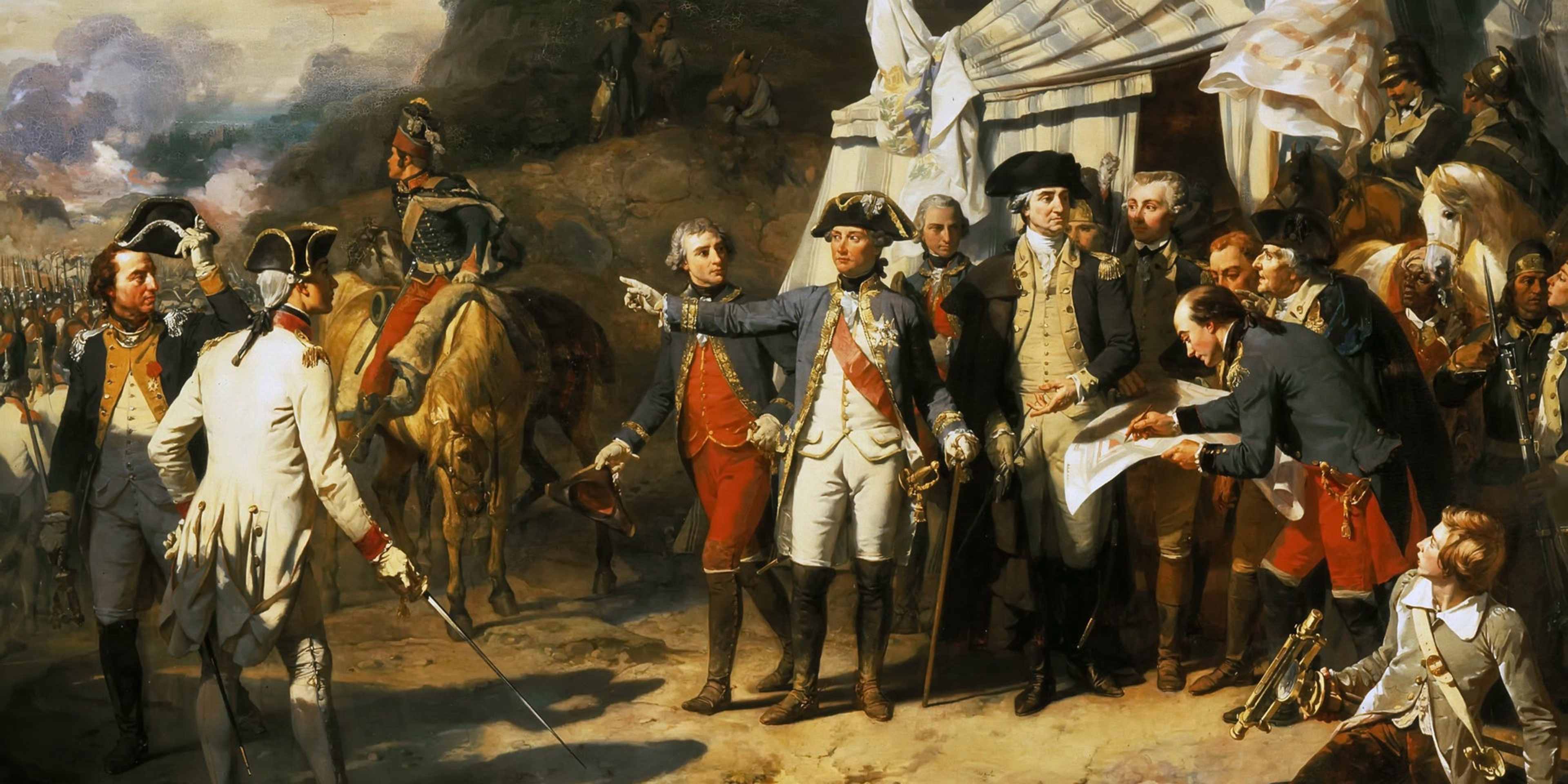
To fully appreciate the gravity of the assault on Redoubt No. 10, one must understand the desperate geopolitical landscape of 1781. For over six years, the conflict had dragged on, exhausting both the British Empire and the American patriots. By 1781, the revolutionary struggle had united the diverse territories of the 13 colonies into a single, cohesive fighting force, yet financial ruin and military mutinies threatened to dissolve the cause from within. The war had largely shifted to the southern theater, where British General Charles Cornwallis sought to pacify the Carolinas and Virginia. However, after a series of grueling campaigns, Cornwallis moved his army to the deep-water port of Yorktown to establish a fortified base. This move proved to be a fatal strategic blunder. General George Washington, in coordination with the French Army under Lieutenant General Rochambeau and a powerful French naval fleet commanded by Admiral de Grasse, realized they had a golden opportunity to trap the British army.
As the allied French and American forces marched south, the strategic coordinates of the war became razor-sharp. As the tactical theater shifted south from New England, the war drew focus on states along the 13 colonies map, ultimately placing Virginia at the center of the geopolitical chess board. The Allied forces began digging parallel trenches, slowly but surely choking Cornwallis’s defenses. However, before they could launch a final, decisive assault on the main British line, they had to neutralize two vital outer strongpoints: Redoubt No. 9 and Redoubt No. 10. These dirt-and-wood bastions, manned by veteran British and Hessian troops, stood as formidable barriers. The task of taking Redoubt No. 9 was assigned to the French forces, while the assault on Redoubt No. 10 was given to the American Light Infantry. The stage was set for a dramatic night that would alter the course of global history.
The Audacious Strategy: Unloaded Muskets and Absolute Silence
The tactical plan devised by the Allied commanders was highly specialized and incredibly risky. The attack was scheduled for 8:00 PM on a moonless night, utilizing the cover of complete darkness. To prevent any accidental discharge that might alert the British sentries, Hamilton and his fellow commanders insisted that every soldier advance with an unloaded weapon. In the 18th century, a musket flash in the dark acted as a beacon for enemy artillery and defensive gunfire. By requiring his men to use only their bayonets, Hamilton guaranteed that the attack would remain silent until the very moment of impact. This strategy demanded immense discipline, as soldiers had to march directly into the shadow of enemy fortifications without the psychological comfort of being able to fire back.
This reliance on ‘cold steel’ meant that speed and surprise were their only shields. If the British detected them too early, the unarmed Americans would be cut down by devastating volleys of grape-shot and musket fire. Hamilton’s battalion included a remarkably diverse group of fighters, most notably the 1st Rhode Island Regiment. Widely recognized as the first historically integrated regiment in the United States military, this unit consisted of Black, Native American, and white soldiers fighting side by side. Their inclusion at this critical juncture of the war demonstrated the shared sacrifices made by various communities to secure American independence.
The Timeline of the Siege and the Assault
- August 30, 1781: The French fleet under Admiral de Grasse arrives in the Chesapeake Bay, successfully blocking any British maritime escape or reinforcement for Cornwallis.
- September 28, 1781: Combined American and French forces arrive at Yorktown, officially commencing the siege operations and digging the first parallel trenches.
- October 11, 1781: Allied forces begin digging the second parallel, much closer to the British lines, but the construction is heavily disrupted by artillery fire from Redoubts 9 and 10.
- October 14, 1781 (8:00 PM): The dual night assault begins. The French charge Redoubt No. 9, while Hamilton’s light infantry storms Redoubt No. 10. Both bastions are captured in under half an hour.
- October 17, 1781: Faced with overwhelming artillery bombardment and no hope of rescue, General Cornwallis sends a drummer and an officer with a white flag to request surrender terms.
- October 19, 1781: The British army formally surrenders at Yorktown, effectively ending major land combat operations in the American Revolutionary War.
Key Figures and Their Pivotal Roles
Several crucial historical figures played decisive roles in this spectacular tactical victory. Their individual actions during these tense hours left an indelible mark on the American legacy:
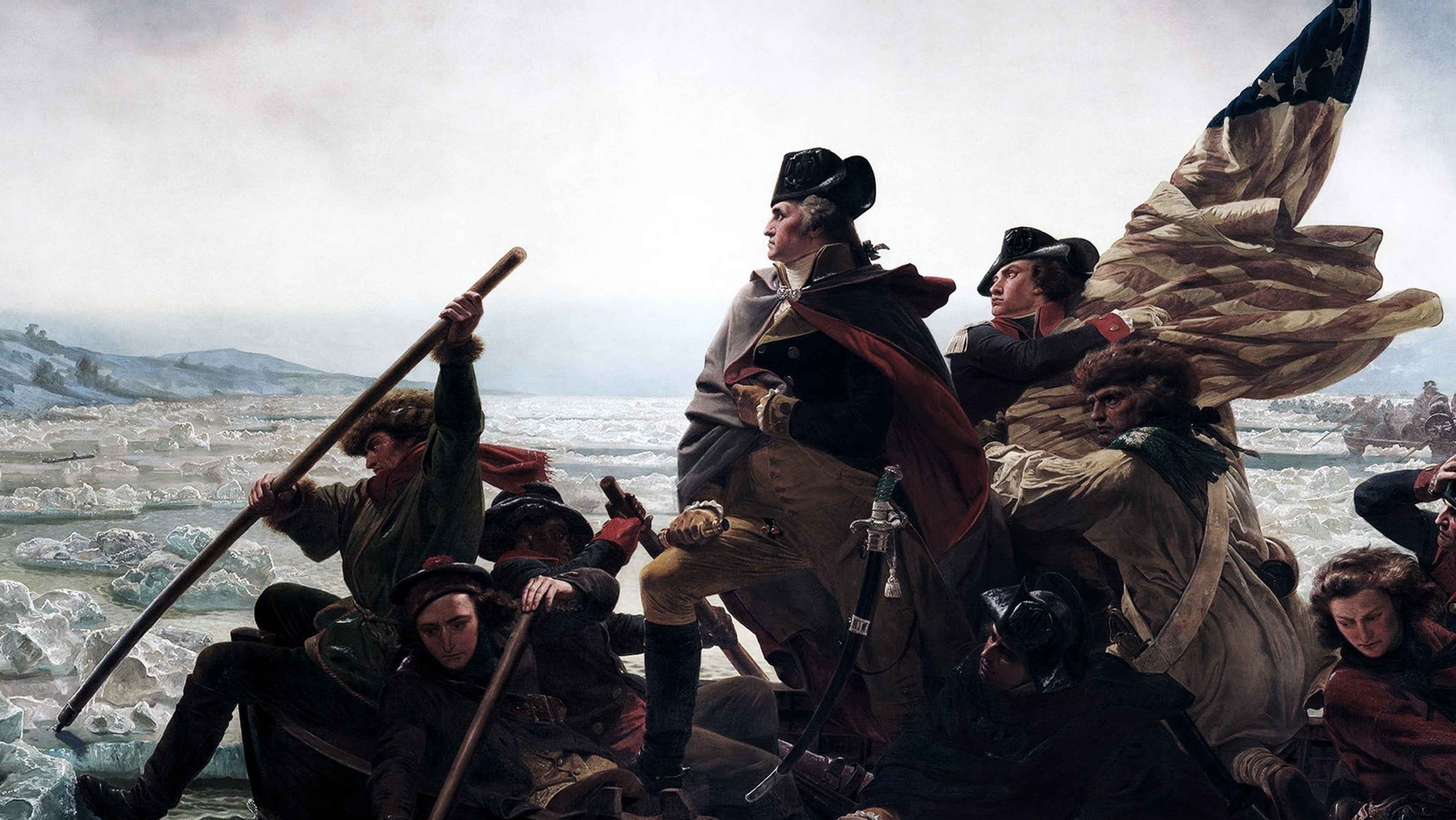
- Alexander Hamilton: Serving as a Lieutenant Colonel, Hamilton had spent years as George Washington’s indispensable aide-de-camp. However, he craved active battlefield command to establish his personal honor and political viability. After lobbying Washington intensely, he was granted the leadership of the light infantry battalion for the assault on Redoubt No. 10.
- George Washington: As the Commander-in-Chief, Washington exhibited masterful strategic patience. He originally assigned the attack to a French officer, but when Hamilton protested on the grounds of seniority and American honor, Washington showed his flexibility and leadership by granting Hamilton the command.
- Marquis de Lafayette: The young French aristocrat and Major General commanded the Light Infantry Division. Lafayette worked closely with Washington to coordinate the two-pronged assault, balancing the national pride of his French compatriots with his deep love for the American cause.
- Nicholas Fish: A major and Hamilton’s trusted second-in-command. Fish led his men with incredible bravery, maintaining the strict silence required for the surprise maneuver and helping secure the interior of the redoubt once the parapet was breached.
- General Charles Cornwallis: The British commander whose retreat to Yorktown backfired completely. Trapped by the French navy at sea and the allied armies on land, his surrender at Yorktown shattered the British domestic will to continue the war.
The Battle’s Climax: Ten Minutes of Fury
At exactly 8:00 PM on October 14, a decoy attack was launched elsewhere along the British lines to draw attention away from the redoubts. Under the cover of this diversion, Hamilton’s men crept forward. They moved through the darkness in total silence, their unloaded muskets held tightly. As they neared Redoubt No. 10, they encountered the abatis—a formidable defensive barrier made of sharpened, felled tree branches. Rather than waiting for sappers to clear the obstacles with axes, which would have taken precious minutes and alerted the enemy, Hamilton and his men threw themselves over the barriers, tearing them apart with their bare hands.
The British sentries spotted the silhouette of the advancing Americans and opened fire, but it was too late. Hamilton’s men charged up the dirt embankments, shouting their password to identify one another in the dark. Hamilton himself used the shoulder of a fellow soldier to vault over the parapet, leading his men directly into the fort. Within a mere ten minutes of reaching the redoubt, the fighting was over. The British garrison, overwhelmed by the speed, silence, and ferocity of the bayonet charge, surrendered. Hamilton’s unit suffered very few casualties, achieving one of the cleanest and most efficient tactical victories of the entire war.
The Long-Term Impact: The Birth of a Nation and a Legend
The swift capture of Redoubts 9 and 10 allowed the allied forces to finish their parallel trenches and bring their siege artillery within point-blank range of Cornwallis’s main camp. With his defenses shattered and his retreat blocked by French ships, Cornwallis surrendered his entire army just five days later. This catastrophic loss broke the political will of the British Parliament, leading directly to the initiation of peace talks. Two years later, the Treaty of Paris of 1783 was signed, formally recognizing the independence of the United States of America.
For Alexander Hamilton, the victory was a personal and political goldmine, establishing a national reputation for the young lieutenant colonel. While early print culture had evolved dramatically since the publication of America’s first newspaper, the rapid dissemination of Hamilton’s success showed the growing power of the revolutionary press. Accounts of his bravery at Yorktown were printed in newspapers throughout the colonies, catapulting him from a prominent military staffer to a national hero. This widespread public acclaim laid the foundation for his future role as a principal author of the Federalist Papers and the first Secretary of the United States Treasury.
Lesser-Known Historical Anecdotes
While the story of Yorktown is famous, several lesser-known details highlight the unique human elements of the battle:
- Hamilton’s Political Maneuver: The command of the assault was originally given to Jean-Joseph de Gimat, a French lieutenant colonel serving under Lafayette. Hamilton, outraged by this perceived slight to his seniority and American representation, went directly to George Washington to appeal the decision. Washington, recognizing the political importance of having an American lead the high-profile assault, reversed his decision and gave the command to Hamilton.
- A Selfless Report: Despite his fierce ambition, Hamilton’s official military report of the battle was remarkably modest. He praised his men and his second-in-command, Nicholas Fish, extensively while barely mentioning his own physical feats, such as being the first to leap over the parapet. This generosity of spirit was praised by Lafayette, who made sure Hamilton received full credit in his own letters to Congress.
- The French Rivalry: The French forces attacking Redoubt No. 9, led by Wilhelm of Zweibrücken, faced a much tougher defense. Unlike Hamilton’s men, they waited for their sappers to clear the abatis, which exposed them to heavy British fire. While Hamilton’s assault took only ten minutes, the French took closer to thirty minutes and suffered significantly higher casualties, highlighting the brutal efficiency of Hamilton’s rapid, bayonet-only approach.
Why Yorktown and Hamilton’s Legacy Matter Today
The legacy of the assault on Redoubt No. 10 resonates profoundly in modern times. Tactically, the use of silence, speed, and specialized close-quarters combat prefigured the methods used by modern special forces units. Furthermore, the inclusion of integrated units like the 1st Rhode Island Regiment serves as a powerful reminder of the diverse demographics that contributed to the birth of American democracy. Today, the story of Yorktown is celebrated not just as a military triumph, but as a testament to how determination, diverse alliances, and calculated audacity can overcome seemingly insurmountable imperial power.
People Also Ask (FAQ)
Why did Hamilton’s men unload their guns at Yorktown?
Hamilton ordered his men to unload their muskets to ensure absolute silence and surprise. In the pitch-black night, a single accidental discharge or the flash of a musket would have alerted the British sentries, exposing the advancing patriots to devastating artillery and defensive volleys.
What was the significance of Redoubt No. 10?
Redoubt No. 10 was a vital outer fortification that protected the British left flank. Capturing it allowed the American and French forces to complete their siege trenches and bring their heavy artillery within short range of Cornwallis’s main headquarters, forcing his surrender.
Which regiment did Hamilton command during the battle?
Alexander Hamilton commanded a light infantry battalion within the Marquis de Lafayette’s Division. This unit was temporarily integrated with soldiers from other groups, including the historic 1st Rhode Island Regiment.
Conclusion
The Battle of Yorktown and Hamilton’s daring bayonet charge at Redoubt No. 10 represent the triumph of strategic audacity over entrenched imperial power. By choosing silence, speed, and the gamble of unloaded weapons, Hamilton and his diverse battalion of patriots delivered the final, decisive blow to British colonial aspirations in America. This legendary night not only secured the independence of a new nation but also forged the political destiny of Alexander Hamilton, demonstrating that courage on the battlefield could truly rewrite history.


