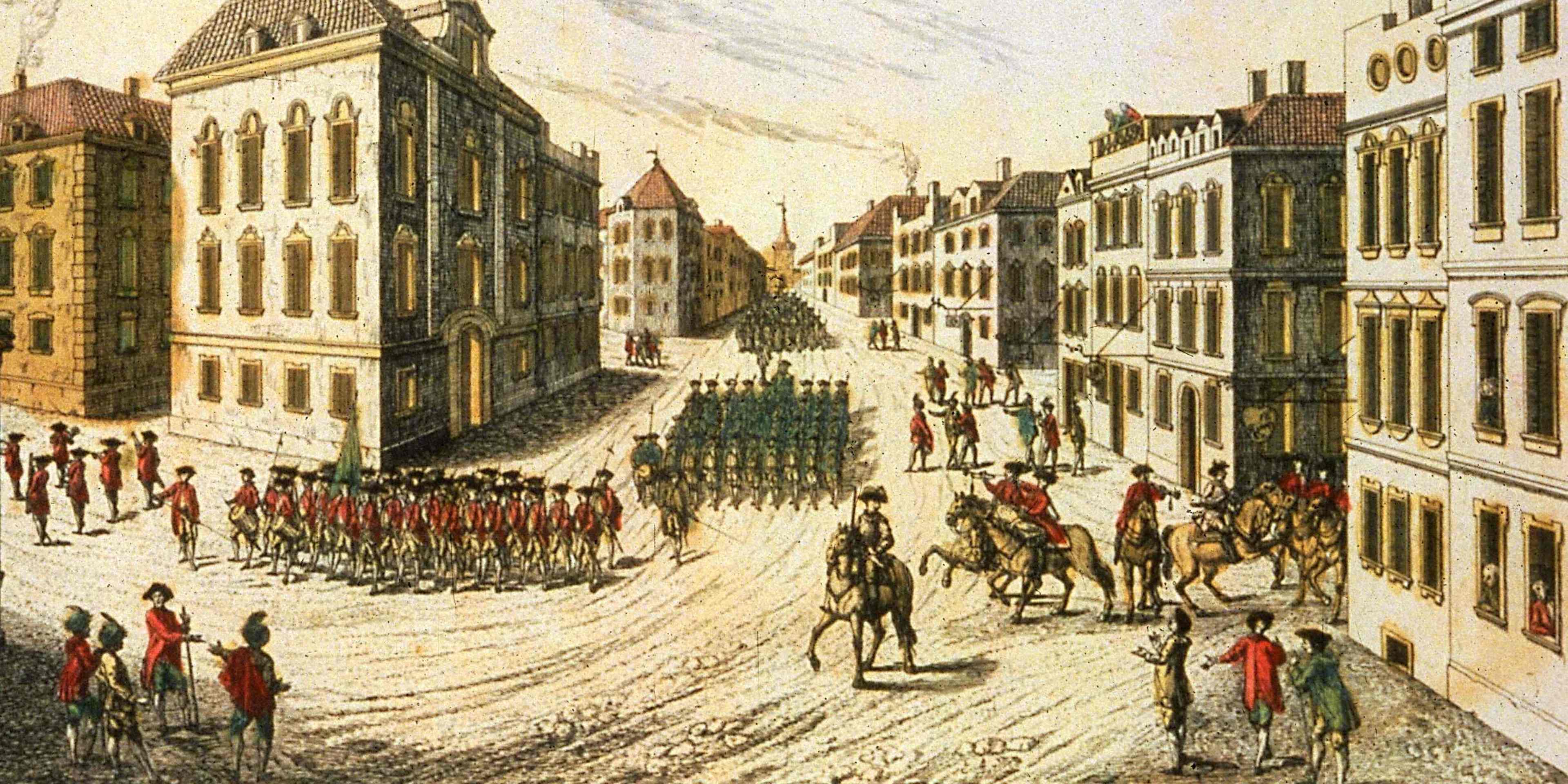
As British Redcoats flooded into America’s bustling port cities during the Revolutionary War, the clatter of boots, the neigh of horses, and the steady beat of drums signaled a stark choice for civilians: flee their homes and livelihoods or stay and endure the uneasy reality of military occupation. From Boston to Savannah, life under martial law brought hunger, plunder, violence, and the rare, surreal chance to dance with the enemy. Initially, many Loyalists who had thrown their lot in with England’s King welcomed the British, grateful for protection from revolutionary demands like forced oaths of allegiance and mandatory militia service. However, any initial calm soon gave way to severe hardship, transforming the busy urban centers of the thirteen colonies into pressure cookers of fear and resentment. Understanding this period of martial law is crucial to recognizing why early Americans fought so fiercely for constitutional safeguards.
Historical Background and the Catalysts of Military Occupation
To understand the harshness of the occupation, one must look at the events preceding the outbreak of war in 1775. Tensions between the British Empire and the American colonies had been simmering for over a decade. The Stamp Act, the Townshend Acts, and the Boston Massacre of 1770 created an atmosphere of deep-seated distrust. For the British administration, occupying key seaport cities like Boston, Newport, New York, Philadelphia, and Charleston was a strategic necessity. These port cities were the lifelines of colonial trade, and controlling them meant choking off the rebellion’s resources while establishing strong military bases. The onset of British martial law stripped away civilian governance, replacing local courts and assemblies with military dictates. Suddenly, the domestic sphere was invaded, and even the manufacturing or possession of 13 everyday objects of colonial America—from lead weights used in fishing to printing presses—came under strict military surveillance and rationing.
A Chronological Timeline of British Military Occupation
- 1768: British troops arrive in Boston to enforce customs regulations, heightening civil-military tensions.
- 1775: Following the Battles of Lexington and Concord, the Siege of Boston begins, trapping thousands of civilians inside the city under British rule until March 1776.
- September 1776: Following the Battle of Long Island, the British occupy New York City. It becomes their primary military headquarters and remains occupied for seven grueling years.
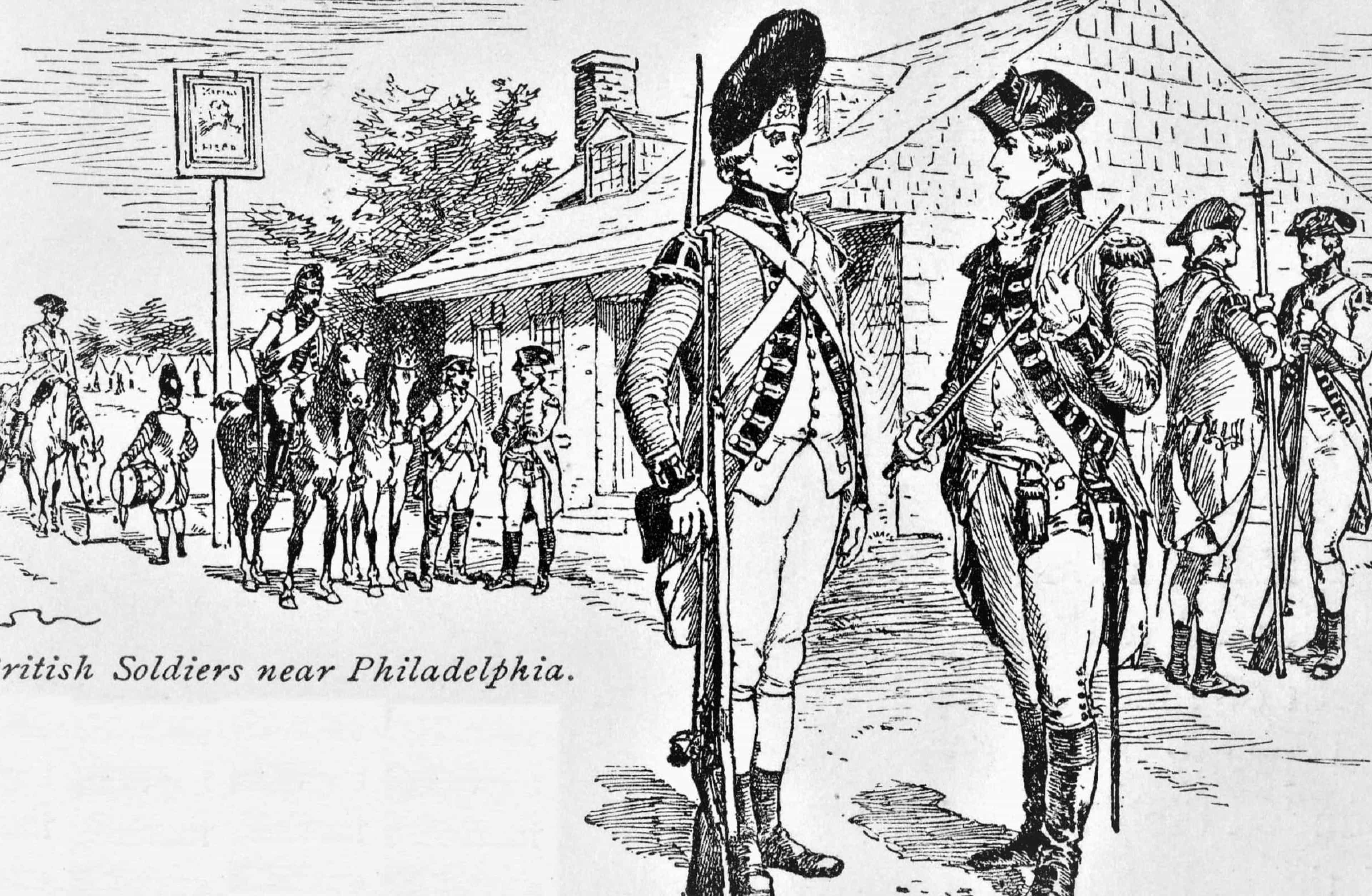
- September 1777: General William Howe leads British forces into Philadelphia, forcing the Continental Congress to flee and initiating a nine-month occupation.
- May 1780: After a prolonged siege, British forces capture Charleston, South Carolina, establishing a brutal occupation in the southern theater.
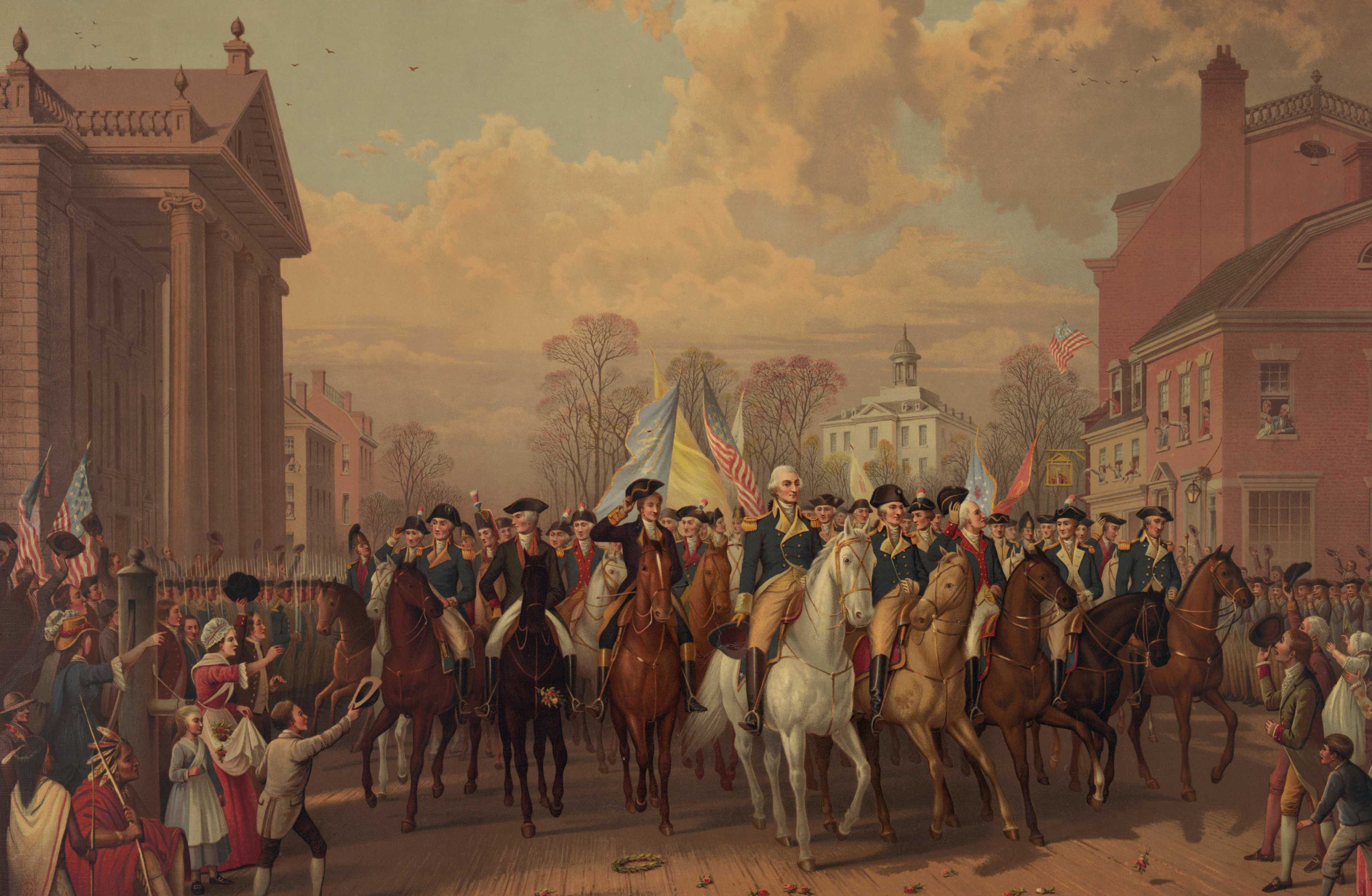
- November 25, 1783: Known as Evacuation Day, British troops finally withdraw from New York City, ending the final major occupation on American soil.
Prominent Figures of the Occupation Era
The human drama of the occupation was defined by individuals who had to navigate extraordinary circumstances. Several key figures stand out:
- General Sir William Howe: The Commander-in-Chief of British land forces in America from 1775 to 1778. Known for his relatively lenient early stance toward civilians in Philadelphia, Howe sought to win back colonial allegiance through moderation, though his troops often undermined this goal through rampant plunder.
- Elizabeth Sandwith Drinker: A Quaker diarist from Philadelphia whose extensive journals offer an invaluable, firsthand perspective of the occupation. Her writings document the day-to-day anxiety, the forced billeting of soldiers, and the delicate balancing act civilians had to perform to survive.
- Boston King: An enslaved man who escaped to British lines in South Carolina. For King and thousands of other African Americans, the British Army represented the sole hope for personal liberty. He eventually evacuated to Nova Scotia and became a prominent Methodist minister, illustrating that for enslaved people, freedom wore a red coat.
Living Under Martial Law: Shortages, Plundering, and Billeting
Life under British occupation was a constant battle for survival. Cities quickly became overcrowded as thousands of Loyalist refugees fled patriot-controlled areas to seek safety behind British lines. This sudden influx created severe housing crises and fierce competition for day labor jobs, leading to frequent street brawls. Food and fuel shortages became a devastating norm. The British military routinely seized livestock, crops, and personal belongings from local farms, often offering worthless paper receipts in return.
For many colonists, this chaotic environment was a far cry from the peaceful, warm hospitality they might experience if they were to stay in a colonial-era inn during peacetime. Instead, families found their private homes forcefully commandeered (billeted) by officers who barred owners from using their own front doors and sometimes even moved their mistresses in. Beyond material loss, physical insecurity haunted the occupied population. While some upper-class Loyalists enjoyed lavish social lives—attending glittering theatrical plays, concert series, and elegant teas with British officers—most ordinary citizens endured the constant threat of theft, assault, and house burnings. Women and young girls faced horrifying levels of sexual violence, a grim reality documented extensively in the survivor depositions preserved within the Papers of the Continental Congress.
Major Turning Points during the Occupation
The trajectory of military occupation shifted dramatically with key global developments. The entry of France into the war in the spring of 1778 was the most significant turning point for occupied America. Realizing that the French navy could easily trap them in Delaware Bay, the British decided to evacuate Philadelphia in June 1778, marching back to New York. This hasty retreat left many local Loyalists feeling betrayed and abandoned.
Another crucial turning point was the gradual shift of the war to the Southern colonies. The capture of Charleston in 1780 was meant to solidify British control, but the extreme brutality of the occupation there ultimately alienated moderate colonists, fueling a fierce guerrilla warfare campaign that wore down British forces and eventually forced them to retreat to coastal strongholds.
The Long-Term Impact on the American Republic
The bitter experience of British military occupation profoundly shaped the founding documents and national identity of the United States. The Third Amendment to the U.S. Constitution, which strictly prohibits the quartering of soldiers in private homes without the owner’s consent during peacetime, was a direct response to the hated practice of billeting. Furthermore, the trauma of living under martial law fostered a deep-seated American skepticism toward large, standing professional armies, reinforcing the preference for local citizen militias and contributing directly to the debates surrounding the Second Amendment.
The social fabric of the young nation was also permanently altered. Approximately 100,000 Loyalists and formerly enslaved individuals were forced to flee America upon the British withdrawal, representing one of the largest refugee diasporas in early modern history. Those who remained had to navigate the difficult, often painful path of reintegration and community forgiveness, showing an optimistic American gift for putting the future ahead of the past.
Lesser-Known Historical Facts
- The Lavish Meschianza of 1778: Just weeks before evacuating Philadelphia, British officers organized a massive, medieval-themed festival called the Meschianza. It featured mock jousting tournaments, floating pageants, and fireworks to bid farewell to General Howe—a bizarre display of excess while ordinary citizens starved.
- English Prostitutes Shipped Across the Atlantic: To combat the skyrocketing rates of sexual violence committed by soldiers against colonial women, which was turning the local population hostile, the British government actually transported thousands of English prostitutes to occupied cities.
- Smugglers and Spies: The tight military checkpoints around occupied cities created a lucrative market for daring smugglers. Many women hid intelligence, messages, and valuable goods inside their petticoats, acting as crucial couriers for George Washington’s Culper Spy Ring.
Why It Still Matters Today
The history of British occupation reminds us of the delicate balance between national security and individual civil liberties. The debates that arose during the 1770s regarding martial law, property rights, and the abuse of military power continue to echo in modern discussions about government surveillance, executive overreach, and constitutional protections. The resilience of the civilians who endured these hardships laid the groundwork for the liberties that Americans enjoy today.
People Also Ask (FAQ)
What was life like under British occupation during the Revolutionary War?
Life was incredibly difficult and marked by martial law, food and fuel shortages, rampant inflation, and the constant threat of plunder and physical violence. However, some wealthy Loyalists experienced a lively social scene, while thousands of enslaved individuals found opportunities to seek their freedom with the British military.
Why did the British occupy major American cities?
The British occupied key seaports like Boston, New York, Philadelphia, and Charleston to control trade, choke off the rebellion’s resources, and establish strong naval and military bases from which to launch campaigns.
How did the occupation affect the U.S. Constitution?
The forced quartering of British soldiers in private homes directly led to the drafting of the Third Amendment, which outlaws the quartering of troops without consent, and fueled a lasting American distrust of standing professional armies.
Conclusion
The story of life under British occupation is not merely one of battles and troop movements, but a deeply human chronicle of survival, resilience, and transformation. As Americans endured the crushing weight of martial law, they forged a collective resolve that ultimately shaped the democratic foundations and constitutional rights of the United States. Today, understanding this trial by fire helps us appreciate the true cost of liberty.


