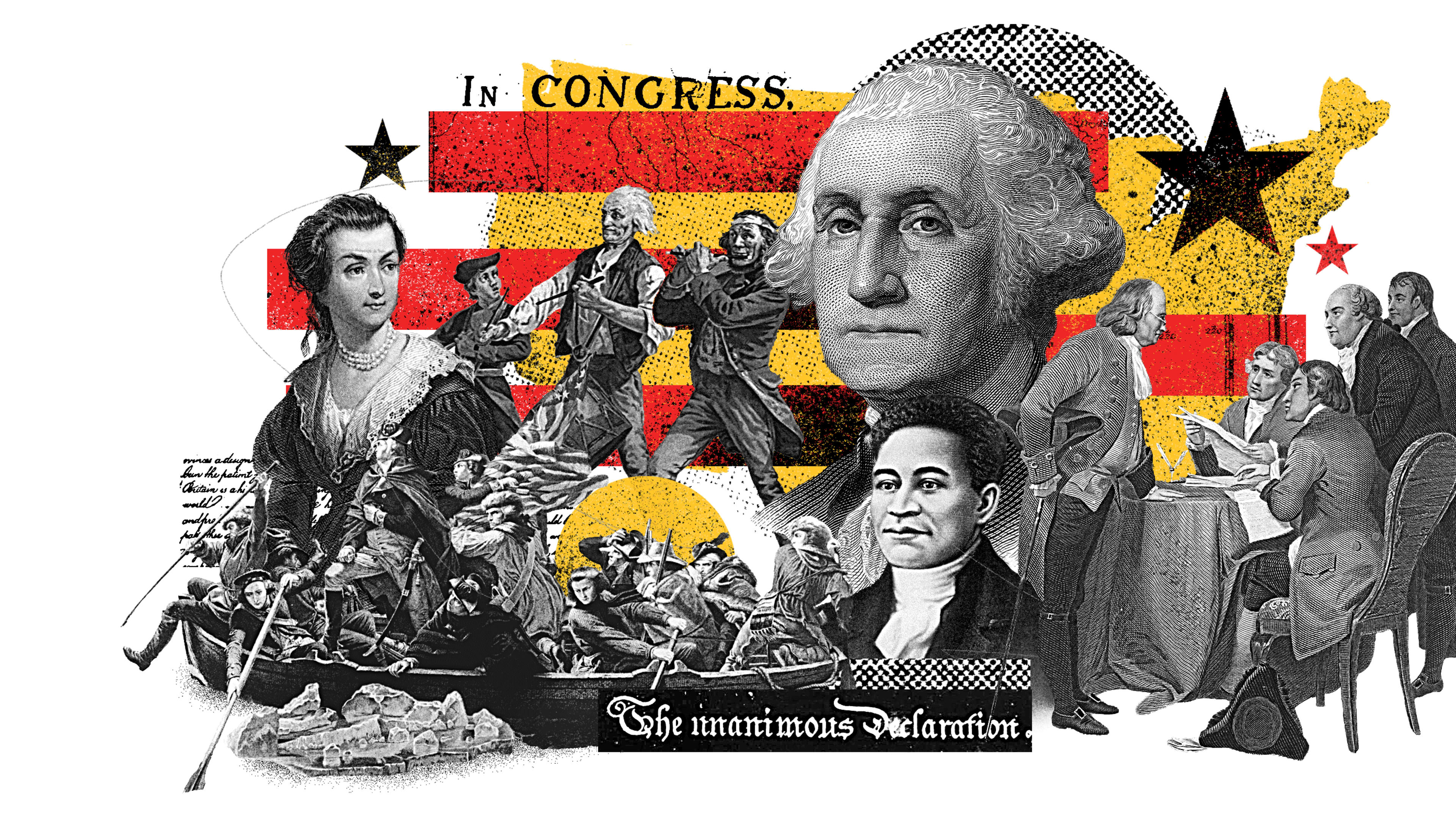
The creation of the United States of America is one of the most complex, dramatic, and transformative chapters in global history. At the center of this narrative stands a group of predominantly wealthy plantation owners, lawyers, merchants, and thinkers known collectively as the Founding Fathers. These individuals, once loyal British subjects of King George III, orchestrated a monumental shift in political philosophy and geography. By uniting thirteen disparate colonies, they fought a grueling War of Independence against the world’s preeminent superpower and constructed a resilient constitutional republic that continues to guide the nation today. Yet, their story is not just one of military triumphs and intellectual genius; it is also a narrative deeply entangled with the paradoxes of slavery, the displacement of Indigenous peoples, and the struggle to establish a truly democratic society. Exploring their lives, documents, and compromises provides a comprehensive window into the birth of a nation and the enduring ideals that still shape modern governance.
The Historical Background and the Roots of Rebellion
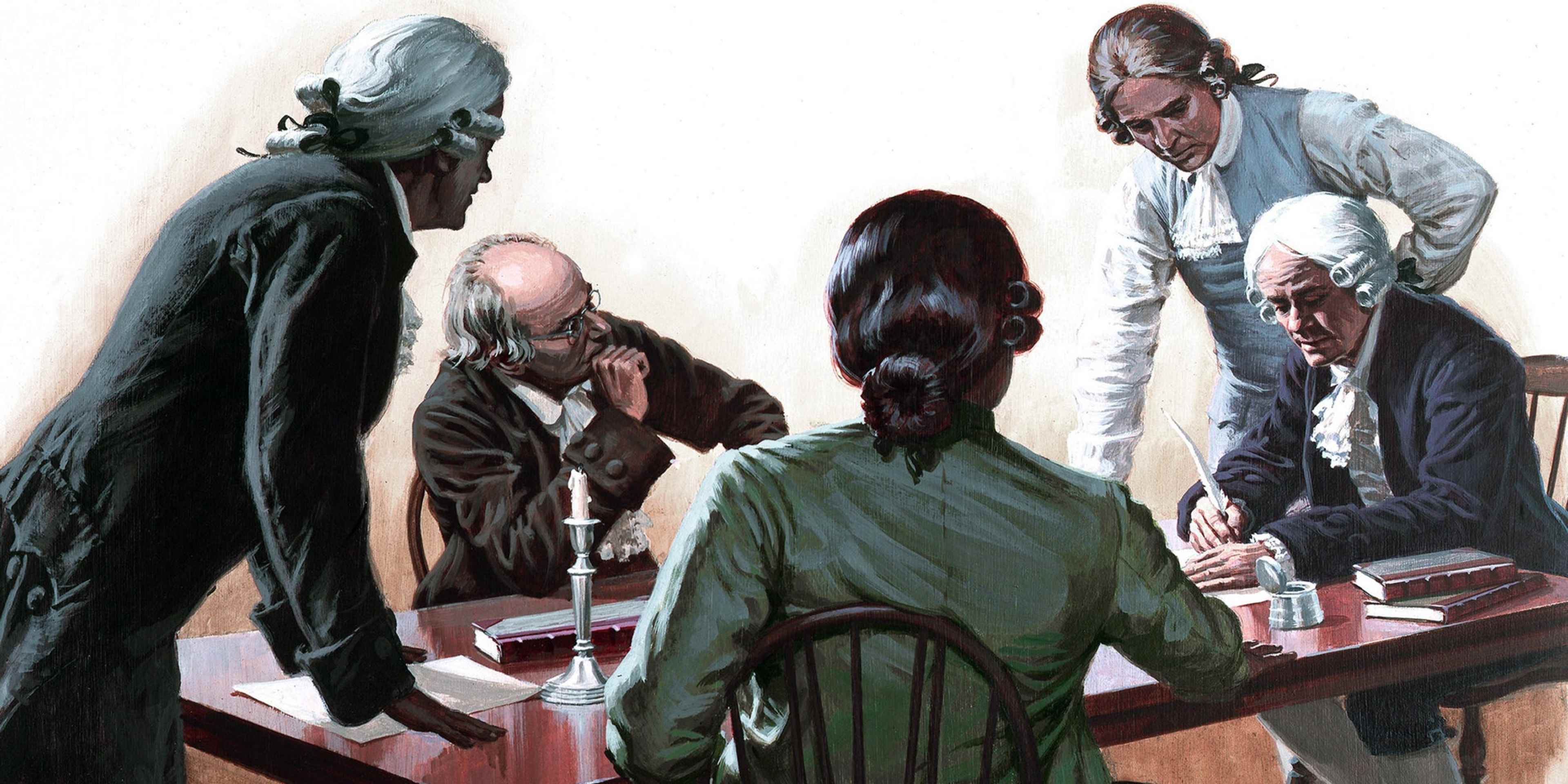
The journey toward American independence began in earnest following the conclusion of the French and Indian War in 1763. Britain, saddled with massive war debt, sought to generate revenue by imposing direct taxes on its American territories. This legislative shift shattered decades of “salutary neglect” and deeply angered colonial elites. Under the rallying cry of “no taxation without representation,” leaders across the 13 colonies began coordinating a resistance that evolved from legal petitions to outright armed rebellion. This resistance was driven by a unique mix of Enlightenment philosophy, economic self-interest, and a growing sense of American identity that transcended regional divides.
Key Historical Timeline (1765–1791)
To understand how these disparate efforts coalesced, we must examine the chronological sequence of events that shaped the founding era:
- 1765: The Stamp Act – The British Parliament imposes the first direct tax on the colonies, sparking widespread protests and the formation of resistance groups.
- 1773: The Boston Tea Party – Disguised colonists dump chests of British tea into Boston Harbor to protest the Tea Act, leading to severe punitive measures from London.
- 1775: Battles of Lexington and Concord – The “shot heard ’round the world” is fired, officially initiating the military conflict of the Revolutionary War.
- 1776: The Declaration of Independence – The Continental Congress formally adopts Thomas Jefferson’s draft, severing political ties with Great Britain.
- 1783: The Treaty of Paris – Great Britain officially recognizes the independence of the United States, concluding the military conflict.
- 1787: The Constitutional Convention – Delegates meet in Philadelphia to replace the weak Articles of Confederation with a strong, centralized federal system.
- 1789: Washington’s Inauguration – George Washington is sworn in as the first President of the United States under the new Constitution.
- 1791: Ratification of the Bill of Rights – The first ten amendments to the Constitution are officially ratified, guaranteeing fundamental civil liberties.
Biographies of the Core Founders and Their Impacts
While dozens of individuals contributed to the founding, eight figures stand out for their profound impact on the nation’s trajectory:
George Washington
Serving as the Commander-in-Chief of the Continental Army, Washington’s greatest asset was his sheer resilience. Despite losing more battles than he won, he successfully kept his ragtag troops united through brutal winters like the one at Valley Forge. Later, as the first President, his willingness to step down after two terms established a vital precedent for the peaceful transfer of power. Interestingly, Washington’s early political career reflected the rowdy norms of the era; during elections in colonial America, he famously distributed hundreds of gallons of rum, beer, and cider to win over voters in Virginia.
Alexander Hamilton
A brilliant legal and economic mind born out of wedlock in the West Indies, Hamilton rose to become Washington’s aide-de-camp and the nation’s first Secretary of the Treasury. He co-authored the Federalist Papers to advocate for the ratification of the Constitution and championed the establishment of a national bank, laying the groundwork for America’s modern capitalist economy.
Benjamin Franklin
The quintessential American Renaissance man, Franklin served as a diplomat, scientist, and philosopher. He secured the crucial alliance with France during the war and helped negotiate the Treaty of Paris. His wisdom at the Constitutional Convention served as a stabilizing force for the young nation.
John Adams
A passionate Massachusetts lawyer, Adams was an early champion of independence. He served on the committee that drafted the Declaration of Independence and was later elected the second U.S. President. Adams’ long-standing intellectual rivalry and ultimate reconciliation with Thomas Jefferson is legendary, ending in one of the most famous historical coincidences of all time: both men died on July 4, 1826, exactly fifty years after the adoption of the Declaration of Independence.
Samuel Adams
The firebrand cousin of John Adams, Samuel was a master organizer who led the Sons of Liberty in Boston. He helped orchestrate the Boston Tea Party and was highly instrumental in keeping the spirit of resistance alive in New England.
Thomas Jefferson
As the principal author of the Declaration of Independence, Jefferson penned the immortal words that defined the American creed: “all men are created equal.” A brilliant thinker but a deeply conflicted figure, Jefferson owned hundreds of enslaved people throughout his life, highlighting the tragic divide between colonial ideals and early American realities.
James Madison
Known as the “Father of the Constitution,” Madison developed the Virginia Plan, which structured the federal government into three distinct branches with a system of checks and balances. He also drafted the Bill of Rights to safeguard individual freedoms.
John Jay
A skilled diplomat and jurist, Jay co-authored the Federalist Papers and was appointed by Washington as the first Chief Justice of the Supreme Court, ensuring the stability of the early federal judiciary.
The Crucial Turning Points of the Revolution
The success of the American experiment was never guaranteed. Several pivotal turning points altered the course of history:
- The Battle of Saratoga (1777): This decisive American victory in upstate New York proved to European observers that the colonists could stand up to the British military, prompting France to officially enter the war as an American ally.
- The Winter at Valley Forge (1777-1778): Though marked by extreme hardship, disease, and starvation, the Continental Army emerged from Valley Forge as a professional, disciplined fighting force, thanks to rigorous training by military experts like Baron von Steuben.
- The Great Compromise (1787): During the Constitutional Convention, delegates reached a deadlock over representation. The Great Compromise resolved this by creating a bicameral legislature: a Senate with equal representation for all states and a House of Representatives based on population.
The Paradox of Liberty: Indigenous Relations and Slavery
Any objective analysis of the Founding Fathers must confront the profound moral contradictions of the era. The revolutionary rallying cries of “liberty” and “equality” stood in stark contrast to the institutionalization of slavery. Many of the prominent founders—including Washington, Jefferson, and Madison—were lifelong slaveholders whose wealth was built on the forced labor of Black Americans. Furthermore, the expansionist vision of the newly formed United States systematically disregarded the sovereignty and land rights of Indigenous nations. The Treaty of Paris in 1783 completely ignored the Native American allies of both sides, paving the way for decades of forced displacement, broken treaties, and cultural destruction. Recognizing these historical realities does not diminish the brilliance of the founders’ political designs, but it offers a more honest, complete understanding of America’s complicated heritage.
Why the Founders and Their Documents Matter Today
The system of government designed by the Founding Fathers remains the oldest functioning constitutional democracy in the world. Their inclusion of an amendment process demonstrated a profound foresight, acknowledging that the nation would need to evolve over time. Today, the debates that occupied the delegates in 1787—such as the balance of power between the federal government and the states, the limits of executive power, and the protection of individual liberties—remain at the center of modern political and social discourse.
People Also Ask
Who is considered the most important Founding Father?
While opinions vary, George Washington is widely regarded as the most critical Founding Father due to his military leadership during the Revolutionary War and his stabilizing influence as the first President of the United States.
Did all the Founding Fathers own enslaved people?
No. While prominent Virginia founders like Washington, Jefferson, and Madison were major slaveholders, others like John Adams, Samuel Adams, Alexander Hamilton, and Thomas Paine did not own slaves and frequently expressed opposition to the institution of slavery.
What was the main reason the Founding Fathers rebelled?
The primary catalyst was the British government imposing taxes on the American colonies without giving them representation in Parliament, which the colonists viewed as a direct violation of their rights as Englishmen.
Conclusion
The Founding Fathers were not flawless saints, nor were they simple historical caricatures. They were brilliant, deeply flawed human beings who designed an extraordinary framework of self-governance while failing to resolve the defining moral crises of their time. By examining their contributions, documents, and historical contexts, we gain a deeper appreciation for the ongoing American project—a continuous effort to form a “more perfect union” and fully realize the revolutionary promise of liberty and justice for all.


