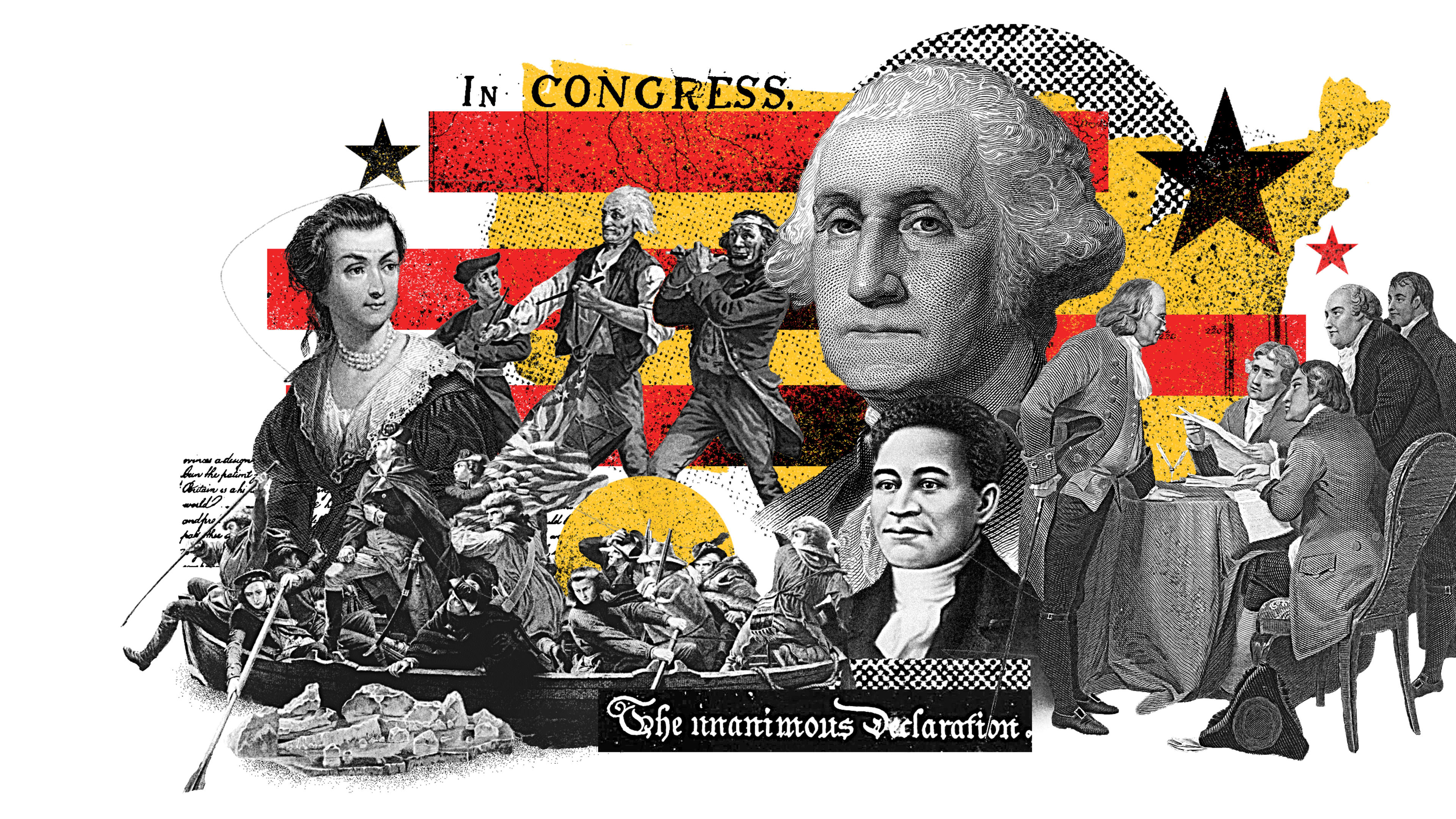
The American Revolution is often remembered as a saga of battlefield clashes and speeches by founding fathers, yet some of the most formidable acts of resistance occurred far from the front lines—right inside the colonial household. As tensions escalated between Great Britain and the 13 colonies, a patriotic movement of women rose to form the Daughters of Liberty. Established in 1766 as the female counterpart to the better-known Sons of Liberty, this association mobilized colonial American women to turn everyday domestic chores into powerful acts of political defiance. By organizing massive boycotts of British goods, producing “homespun” textiles, and brewing alternative “liberty teas,” these women proved that economic self-sufficiency was just as lethal to British rule as gunpowder. Their actions shifted the struggle for independence from an exclusively male political arena into the heart of everyday domestic life, forever changing the course of American history.
Historical Background: The Spark of Female Rebellion
To understand the emergence of the Daughters of Liberty, one must look at the economic landscape of mid-18th century America. Following the French and Indian War, the British Parliament found itself heavily in debt. Believing the American colonists should help pay for their own defense, Parliament passed a series of tax acts, beginning with the notorious Stamp Act of 1765 and followed by the Townshend Acts of 1767. These acts imposed steep duties on everyday imports such as glass, lead, paper, paint, and, most famously, tea.
Because women were the primary managers of the colonial household and controlled daily consumer spending, their compliance was absolutely vital to the success of any economic protest. Recognizing this leverage, colonial women banded together to form the Daughters of Liberty, reclaiming their domestic spheres as battlegrounds for representation and autonomy.
Chronological Timeline of the Movement
The resistance was not an overnight phenomenon, but a sustained, decade-long effort. Here is a timeline of how the Daughters of Liberty transformed the resistance:
- 1765: Parliament passes the Stamp Act. Colonial women begin organizing localized boycotts, refusing to buy imported British luxury items.
- 1766: The name “Daughters of Liberty” begins appearing in local newspapers, recognizing the coordinated efforts of patriotic women who supported the Sons of Liberty.
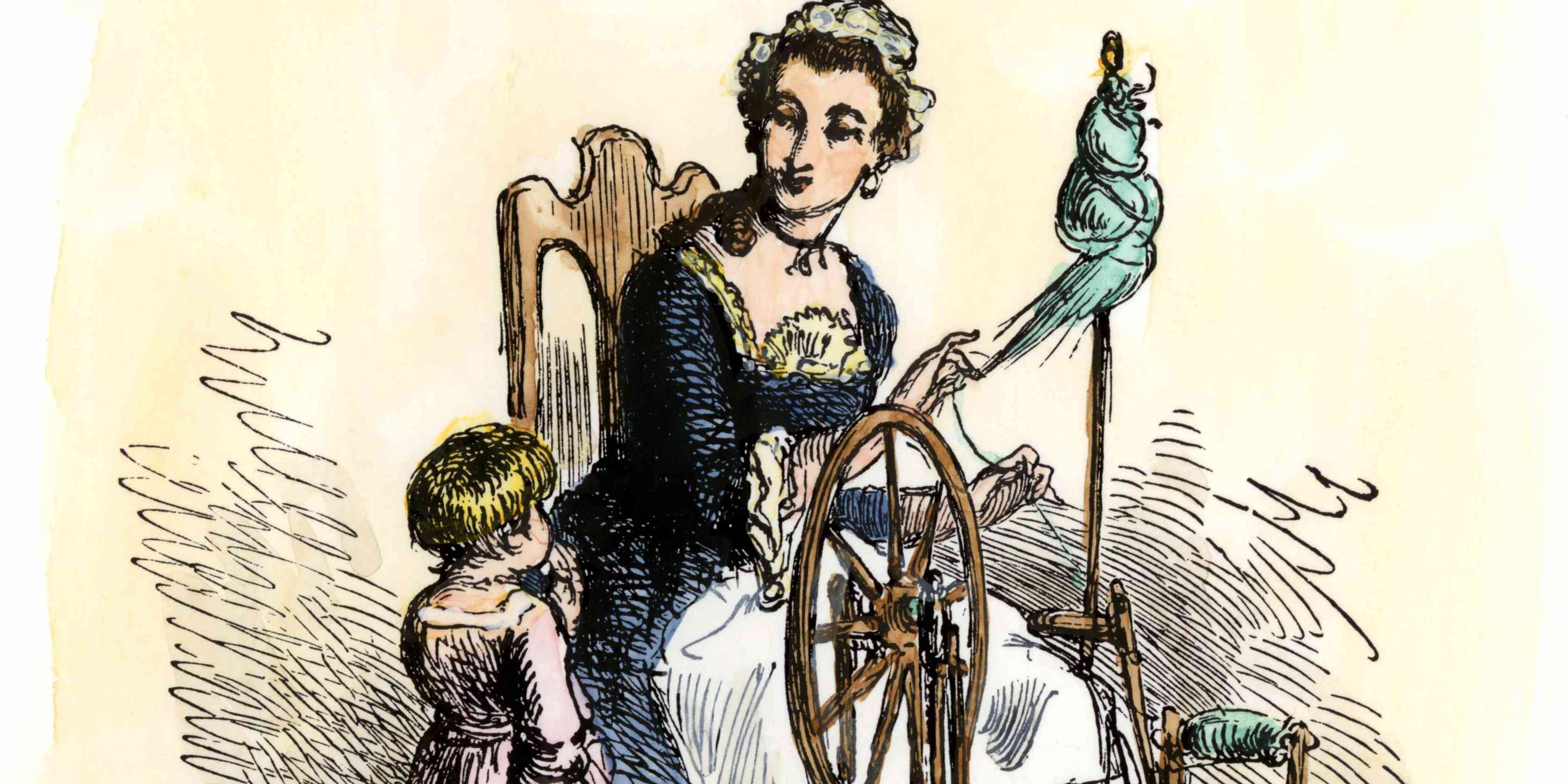
- 1767: The Townshend Acts are passed. In response, the Daughters of Liberty organize highly publicized spinning bees, turning raw wool and flax into American-made clothing to bypass British textiles.
- 1770: By early 1770, over 300 active Daughters of Liberty are documented in Boston alone. They successfully popularize “liberty tea” brewed from local herbs to replace heavily taxed British East India tea.
- 1774: Following the punitive Coercive Acts, the Boston Committee of Correspondence circulates the Solemn League and Covenant. Thousands of colonial women sign the pledge alongside men, committing to a total boycott of British goods.
- 1780: Esther De Berdt Reed publishes “Sentiments of an American Woman,” initiating the “Offering of the Ladies,” which raises over $300,000 for General Washington’s Continental Army.
Key Figures of the Daughters of Liberty
While many participants remained anonymous, several key figures stood out as leaders, writers, and strategists:
- Sarah Bradlee Fulton (1740–1835): Often referred to as the “Mother of the Boston Tea Party,” Fulton was a mastermind of political theater. She is credited with suggesting that the patriots disguise themselves as Mohawk Native Americans to dump the tea, and she later helped clean the paint off their faces. She also famously crossed enemy lines during the Siege of Boston to deliver vital military messages to General George Washington.
- Esther De Berdt Reed (1746–1780): As the wife of Pennsylvania Governor Joseph Reed, Esther became a prominent political organizer. Her famous 1780 broadsheet, “Sentiments of an American Woman,” urged women to sacrifice material luxuries and raise money for the revolutionary cause, leading to the creation of the Association of Philadelphia.
- Mercy Otis Warren (1728–1814): A brilliant writer and sister of patriot James Otis, Warren wrote satirical plays and pamphlets that mocked British colonial officials. Her literary contributions kept revolutionary spirits high, and she later wrote one of the earliest comprehensive histories of the American Revolution.
- Charity Clarke: A teenage girl living in New York, Clarke’s letters to her English cousins captured the fierce spirit of colonial youth. She famously wrote that while women might not lead armies, they formed a “fighting army of amazones… armed with spinning wheels.”
Turning Domestic Labor into Political Resistance
Before the Revolution, women’s domestic chores were frequently undervalued. However, the Daughters of Liberty completely flipped this dynamic. They understood that to gain true political independence, colonial life across the 13 colonies had to achieve complete economic independence. To achieve this, the Daughters initiated the “homespun movement.”
Women gathered in public spaces, often at the homes of local ministers, to participate in spinning bees. From dawn until dusk, hundreds of women would spin flax, wool, and cotton into thread, which was then woven into cloth. Wearing homespun clothes became a proud badge of patriotism and a visible protest against British luxury. Additionally, they boycotted British tea, substituting it with local concoctions made from raspberry leaves, chamomile, sage, and rosemary—defiantly labeled “liberty tea.”
Major Turning Points and the “Offering of the Ladies”
A major turning point in the women’s movement occurred in the summer of 1780. The Continental Army was struggling with low morale, freezing winters, and a severe lack of supplies. Stepping into the void, Esther De Berdt Reed launched a massive fundraising campaign. Within just three days of publishing her essay, 36 women in Philadelphia canvassed the city door-to-door, collecting donations.
They raised over $300,000 in Continental dollars. This “Offering of the Ladies” quickly spread to New Jersey, Maryland, and Virginia. When George Washington requested that the money not be given as direct cash—fearing it would be spent on spirits—the women agreed to buy linen and sew shirts for the soldiers. To ensure the soldiers knew who supported them, the women embroidered their own names into the collars of the shirts, marking a historic intersection of domestic work and personal political agency.
Long-Term Impact on America
The contributions of the Daughters of Liberty had a profound, lasting impact on the social fabric of the United States. For the first time in American history, women formally assumed a public role in political affairs. They proved that a nation’s strength did not just lie in its military might, but in the collective willpower and economic discipline of its household managers.
This early taste of political organization laid the intellectual and social groundwork for future generations. The strategies of boycott, public petitioning, and economic organizing pioneered by the Daughters of Liberty would later be adopted by the abolitionist movement and the 19th-century women’s suffrage movement, helping to shape the modern democratic landscape.
Lesser-Known Facts About the Daughters of Liberty
- The Secret Code of Liberty Tea: Brewing “liberty tea” was not just about finding a warm beverage; it was a highly organized system. Women experimented with various indigenous plants, and sharing successful recipes became a secret language of patriotism among female neighbors.
- Feminine Autonomy Met Resistance: Even though male leaders like Sam Adams appreciated the help, saying “With ladies on our side, we can make every Tory tremble,” many men still viewed female political activity with suspicion. Some male contemporaries published satirical cartoons mocking the spinning bees, fearing that giving women political agency would disrupt traditional household hierarchies.
- A Teenager’s National Pride: In October 1775, a Connecticut farm girl named Betsy Foote wrote in her diary that after a grueling day of spinning wool, she “felt Nationly.” This diary entry is one of the earliest documented uses of nationalism by an ordinary American citizen.
Why Their Legacy Matters Today
Today, the legacy of the Daughters of Liberty is more relevant than ever. Modern political and environmental movements frequently rely on the power of the consumer. Whether through purchasing eco-friendly products, participating in fair-trade initiatives, or boycotting corporations that violate human rights, contemporary society continues to use the home and the wallet as instruments of ethical and political change. The Daughters of Liberty were the original pioneers of this approach, proving that small, daily consumer choices can collectively topple empires.
People Also Ask
Who were the Daughters of Liberty and what did they do?
The Daughters of Liberty were a group of patriotic colonial American women who mobilized during the American Revolution. They supported the cause of independence by organizing boycotts of British imports, manufacturing local “homespun” textiles, and brewing herbal “liberty teas” to replace taxed British goods.
How did the Daughters of Liberty differ from the Sons of Liberty?
While the Sons of Liberty often used public demonstrations, political rallies, and sometimes violent tactics (such as tarring and feathering loyalists) to protest British taxes, the Daughters of Liberty focused on non-violent, economic resistance. They transformed daily household tasks and consumer choices into powerful political tools.
Why was homespun fabric so important during the American Revolution?
Homespun fabric was crucial because it allowed the colonists to bypass British textile imports, which were heavily taxed under the Townshend Acts. Wearing clothes made from homespun fabric became a highly visible symbol of political resistance and American self-reliance.
Conclusion
The story of the American Revolution is incomplete without acknowledging the vital contributions of the Daughters of Liberty. These courageous women did not just manage the home front; they weaponized it. Through spinning bees, economic boycotts, and unprecedented fundraising efforts, they demonstrated that the fight for freedom was a shared responsibility. By turning the domestic sphere into a political powerhouse, the Daughters of Liberty helped secure American independence and established a legacy of female empowerment that continues to inspire grassroots movements to this day.


