The annals of history are often written by those who inherited power, wealth, and status, but some of the most transformative chapters were penned by individuals who began life with absolutely nothing. Throughout the centuries, numerous iconic leaders, brilliant artists, and social reformers faced the ultimate childhood tragedy: the loss of their parents. These famous historical orphans had to navigate a world devoid of any modern social safety nets, finding resilience in the face of abandonment, poverty, and isolation. From shaping the financial foundations of the United States to spearheading revolutionary movements across South America, their struggles did not break them; instead, they forged an unyielding drive that altered the path of humanity. By examining the lives of these seven extraordinary figures, we gain a profound understanding of how early adversity can catalyze a world-changing legacy and leave an indelible mark on the global consciousness.
The Harsh Reality of Historical Orphanhood
Before the establishment of modern child welfare systems, growing up without parents was a perilous fate. During the eighteenth and nineteenth centuries, high mortality rates from epidemics, war, and poor sanitation left countless children stranded. In this era, there were no government-funded programs to support grieving families; indeed, the financial landscapes of early America and Europe relied on private charities, local churches, or even forced indentured servitude. To understand the gravity of their achievements, we must look at how lottery tickets helped fund early American infrastructure rather than social safety nets for vulnerable children. For a child without kin, survival was a daily battle against destitution, exploitation, and social stigma.
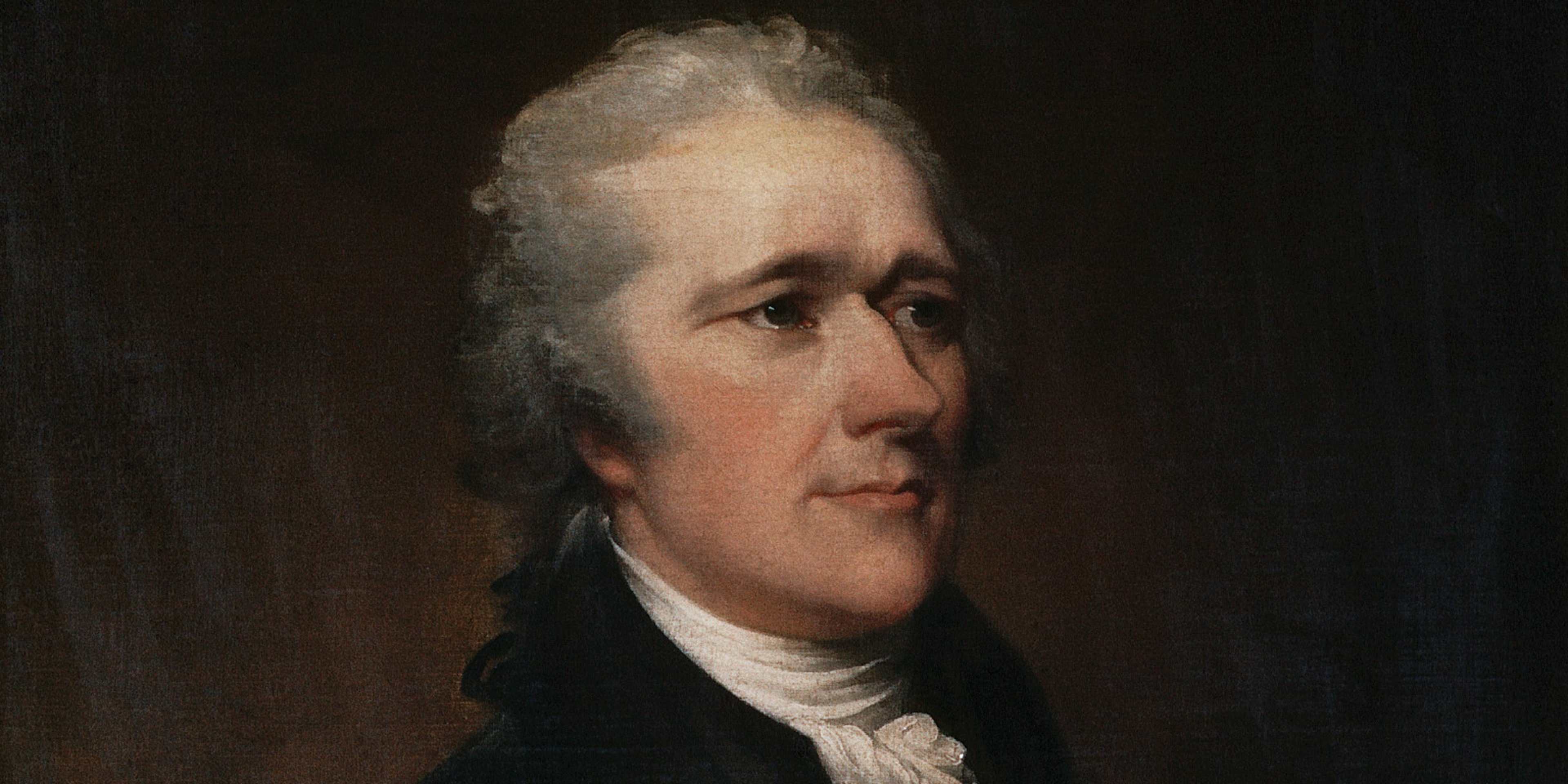
1. Alexander Hamilton: The Bastard Brat Who Built a Financial Empire
Alexander Hamilton’s rise to prominence remains one of the most remarkable stories of the revolutionary era. Born around 1755 on the Caribbean island of Nevis, Hamilton was the illegitimate son of Rachel Faucette and James Hamilton. His father abandoned the family when Alexander was ten, and just two years later, his mother succumbed to a deadly yellow fever, leaving the young boy and his brother entirely orphaned. Left with nothing but a legacy of debt and illegitimacy, Hamilton was forced to work as a clerk for a local mercantile firm on St. Croix.
His brilliant intellect and unmatched work ethic caught the attention of local businessmen, who pooled their money to send him to New York for an education. Once in the thirteen American colonies, Hamilton threw himself into the Revolutionary cause. He served as George Washington’s indispensable aide-de-camp, co-authored the Federalist Papers, and became the nation’s first Secretary of the Treasury, single-handedly designing the American capitalist framework. The orphan from Nevis had successfully transformed his personal tragedy into a national legacy.
2. Andrew Jackson: The War Orphan Shaped by Fire and Fury
Known as ‘Old Hickory’ for his legendary toughness, the seventh President of the United States, Andrew Jackson, was a product of severe early-life trauma. Jackson was born in 1767 in the Waxhaws region between North and South Carolina. His father died in a logging accident just weeks before his birth. By the time the American Revolutionary War swept through the South, a teenage Jackson and his family were plunged into the conflict. His older brother Hugh died after the Battle of Stono Ferry, and Jackson himself was captured by the British at age fourteen, enduring starvation and a brutal saber slashing from a British officer.
His mother, Elizabeth, worked tirelessly to secure his release and nurse captured patriots, only to contract cholera and die shortly thereafter. By 1781, Jackson was a fourteen-year-old orphan with no immediate family left. This profound isolation cultivated a fierce, combative survival instinct. Jackson channeled this raw determination into a legal career, a legendary military tenure, and eventually, a highly influential and controversial presidency that fundamentally shifted the landscape of American democracy.
3. Simón Bolívar: The Orphaned Aristocrat Who Liberated a Continent
Simón Bolívar was born in 1783 into one of the wealthiest aristocratic families in Caracas, Venezuela, proving that tragedy does not spare the affluent. Bolívar lost his father before his third birthday, and by the age of nine, his mother died of tuberculosis. Though he inherited immense wealth, he lacked parental guidance. Bolívar later reflected that his true emotional anchor during these lonely years was Hipólita, an enslaved Black woman who nursed him and whom he loved as both mother and father.
Using his inheritance to study in Europe, Bolívar became deeply influenced by the ideas of the Enlightenment. Upon returning to South America, he dedicated his life, wealth, and strategic genius to overthrowing Spanish colonial rule. As ‘El Libertador,’ Bolívar commanded revolutionary armies that successfully established the independent nations of Venezuela, Colombia, Ecuador, Peru, Panama, and Bolivia. His journey demonstrates how an orphaned boy used his pain to free millions from the shackles of empire.
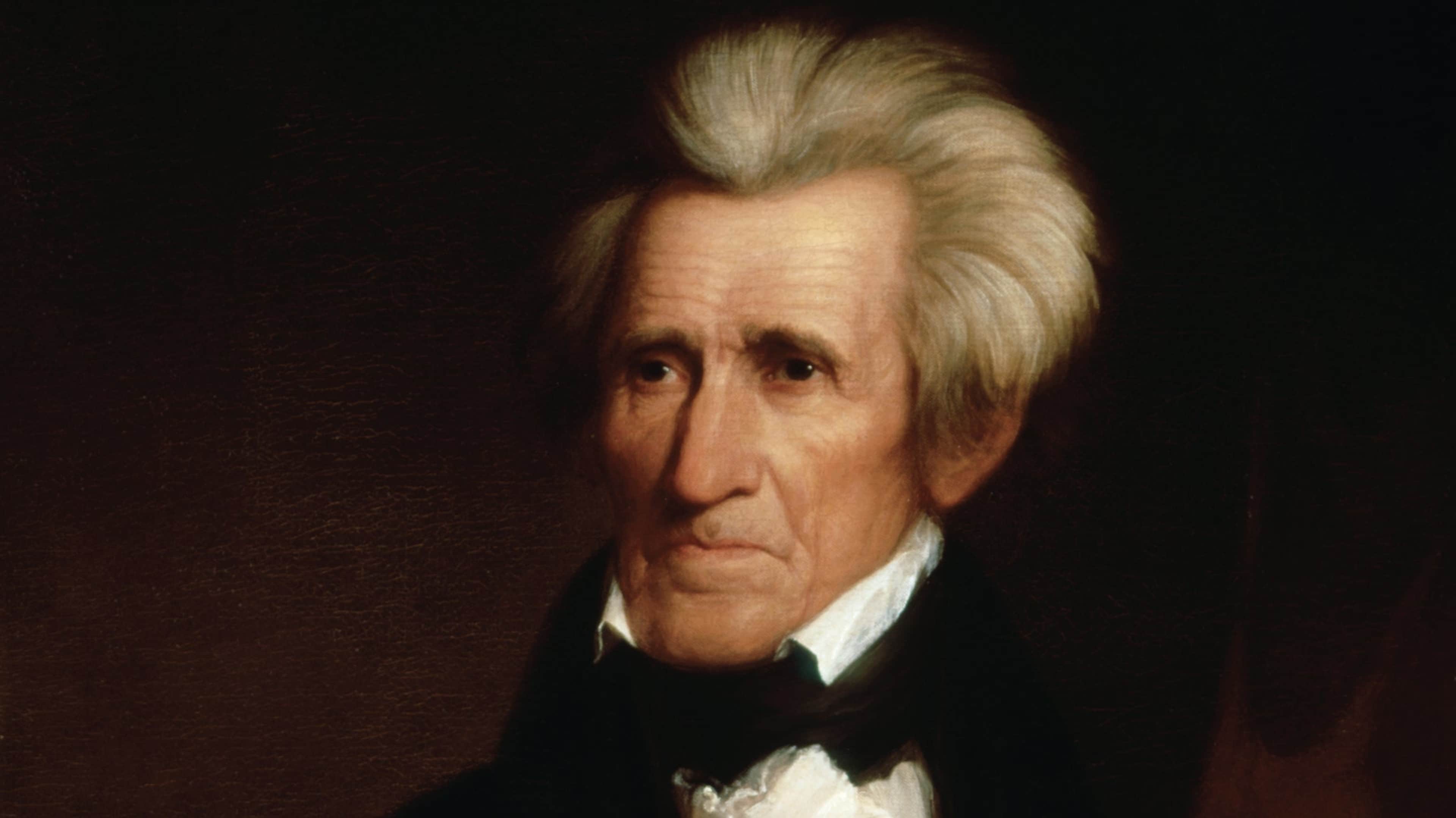
4. Edgar Allan Poe: Master of Macabre Born from Sorrow
The dark, melancholic themes that define Edgar Allan Poe’s legendary literary works were deeply rooted in his tragic childhood. Born in Boston in 1809 to traveling actors, Poe was orphaned by the age of three. His father abandoned the family, and his mother died of tuberculosis shortly after. He was taken in by John Allan, a wealthy tobacco merchant in Richmond, Virginia, but the relationship was highly volatile. Allan refused to formally adopt Poe and actively discouraged his literary ambitions.
When Poe accumulated gambling debts at the University of Virginia, his foster father cut him off financially, eventually disinheriting him entirely. Left to starve on his own, Poe embarked on a nomadic writing career. Despite a life plagued by poverty, depression, and loss, Poe pioneered the detective fiction genre and revolutionized gothic horror, turning his personal demons into timeless masterpieces like ‘The Raven’ and ‘The Tell-Tale Heart’.
5. Ella Fitzgerald: From the Colored Orphan Asylum to the First Lady of Song
Before she was hailed as the greatest jazz vocalist of the twentieth century, Ella Fitzgerald survived a harrowing youth on the streets of New York. Born in Virginia in 1917, Fitzgerald moved to Yonkers with her mother and stepfather. Her life was shattered at age fifteen when her mother died suddenly from a heart attack. Sent to live with an aunt in Harlem, Fitzgerald dropped out of school and worked dangerous odd jobs, including running numbers for local gamblers and acting as a lookout for a brothel.
Her truancy led to her placement in the Colored Orphan Asylum in Riverdale, an institution marked by overcrowding and harsh discipline. After running away, she lived on the streets, singing and dancing for spare change. Her life took a turn in 1934 when she entered an amateur night at the Apollo Theater and won first place. This break led to her joining Chick Webb’s band, launching a legendary career that earned her fourteen Grammy Awards and global adoration.
6. Marilyn Monroe: The Vulnerable Ward Who Captivated Hollywood
Marilyn Monroe, born Norma Jeane Mortenson in 1926, became the ultimate symbol of Hollywood glamour, yet her early years were defined by abandonment and fear. She never knew her father, and her mother, Gladys Pearl Baker, suffered from severe paranoid schizophrenia, resulting in her permanent institutionalization when Norma Jeane was only nine years old. With no family to claim her, Norma Jeane spent her youth shuffled between twelve different foster homes and the Los Angeles Orphans Home, where she suffered emotional neglect and physical abuse.
To escape the foster system, she married at age sixteen. While working in a munitions factory during World War II, a military photographer captured her radiant smile, paving the way for her modeling and acting career. Transforming herself into Marilyn Monroe, she became a cinematic icon. Yet, the deep-seated insecurities stemming from her parentless childhood chased her throughout her short, brilliant, and tragic life.
7. Malcolm X: A Revolutionary Born of Violence and Destitution
One of the most powerful voices of the Civil Rights Movement, Malcolm X, was forged in the crucible of systemic violence and family destruction. Born Malcolm Little in 1925, his childhood was shattered at age six when his father, a civil rights activist, was killed in an incident widely suspected to be a white supremacist assassination. The trauma pushed his mother into a severe psychological breakdown, leading to her institutionalization and the forceful separation of the Little siblings by social services.
Malcolm spent his formative years bouncing between foster homes and juvenile detention centers. Feeling abandoned by society, he drifted into a life of petty crime and was eventually sentenced to prison for burglary. It was behind bars that Malcolm underwent a profound transformation, joining the Nation of Islam and emerging as an eloquent, uncompromising champion for African American self-determination. His legacy highlights how a discarded child can rise to challenge the conscience of an entire nation.
Chronological Timeline of Resilience
- 1767: Andrew Jackson is born; orphaned by 1781 at the age of 14 during the Revolutionary War.
- 1772: Alexander Hamilton is orphaned on the island of St. Croix after his mother’s death.
- 1792: Simón Bolívar is orphaned at age nine, later inheriting a vast fortune and the mentorship of Hipólita.
- 1811: Edgar Allan Poe is orphaned at age three and taken in by the Allan family of Richmond.
- 1932: Ella Fitzgerald is orphaned at fifteen, leading to a period of homelessness and her eventual breakthrough at the Apollo Theater in 1934.
- 1935: Marilyn Monroe’s mother is institutionalized, forcing young Norma Jeane into the foster care system.
- 1938: Malcolm X’s mother is committed to a state hospital, scattering the Little family into various foster homes.
Key Turning Points and Comparative Impact
When analyzing these famous historical orphans, we see a fascinating pattern of resilience. These individuals did not succeed in spite of their hardships; rather, the survival tactics they developed in youth became their greatest strengths. Hamilton’s early bookkeeping skills paved the way for his financial systems. Jackson’s combativeness made him a military hero. Poe’s sorrow birthed a new literary genre. In a series of remarkable historical coincidences, these divergent paths converged on a single truth: early-life abandonment often breeds an extraordinary, obsessive drive to achieve autonomy and leave a lasting mark on the world.
People Also Ask
Who is the most famous historical figure who was an orphan?
Alexander Hamilton and Edgar Allan Poe are among the most famous historical orphans. Hamilton went on to shape the entire American economic system, while Poe redefined global literature and horror fiction.
How did being an orphan affect Andrew Jackson?
Losing his entire family by age 14 during the Revolutionary War left Andrew Jackson with a deep-seated distrust of authority, a fierce nationalist pride, and a combativeness that defined his military career and presidency.
Did Simón Bolívar grow up in poverty because he was an orphan?
No. Unlike many historical orphans, Bolívar belonged to an extremely wealthy aristocratic family and inherited immense riches. However, he suffered great emotional neglect and credited his enslaved nurse, Hipólita, as his true parent.
Conclusion: The Indomitable Human Spirit
The lives of these seven figures prove that parentless beginnings do not predetermine a tragic end. Faced with isolation, systemic failure, and personal grief, these individuals rose to become architects of nations, pioneers of culture, and champions of justice. Their enduring legacies serve as a timeless testament to human resilience, showing that the most brilliant light can emerge from the deepest shadows of childhood adversity.


