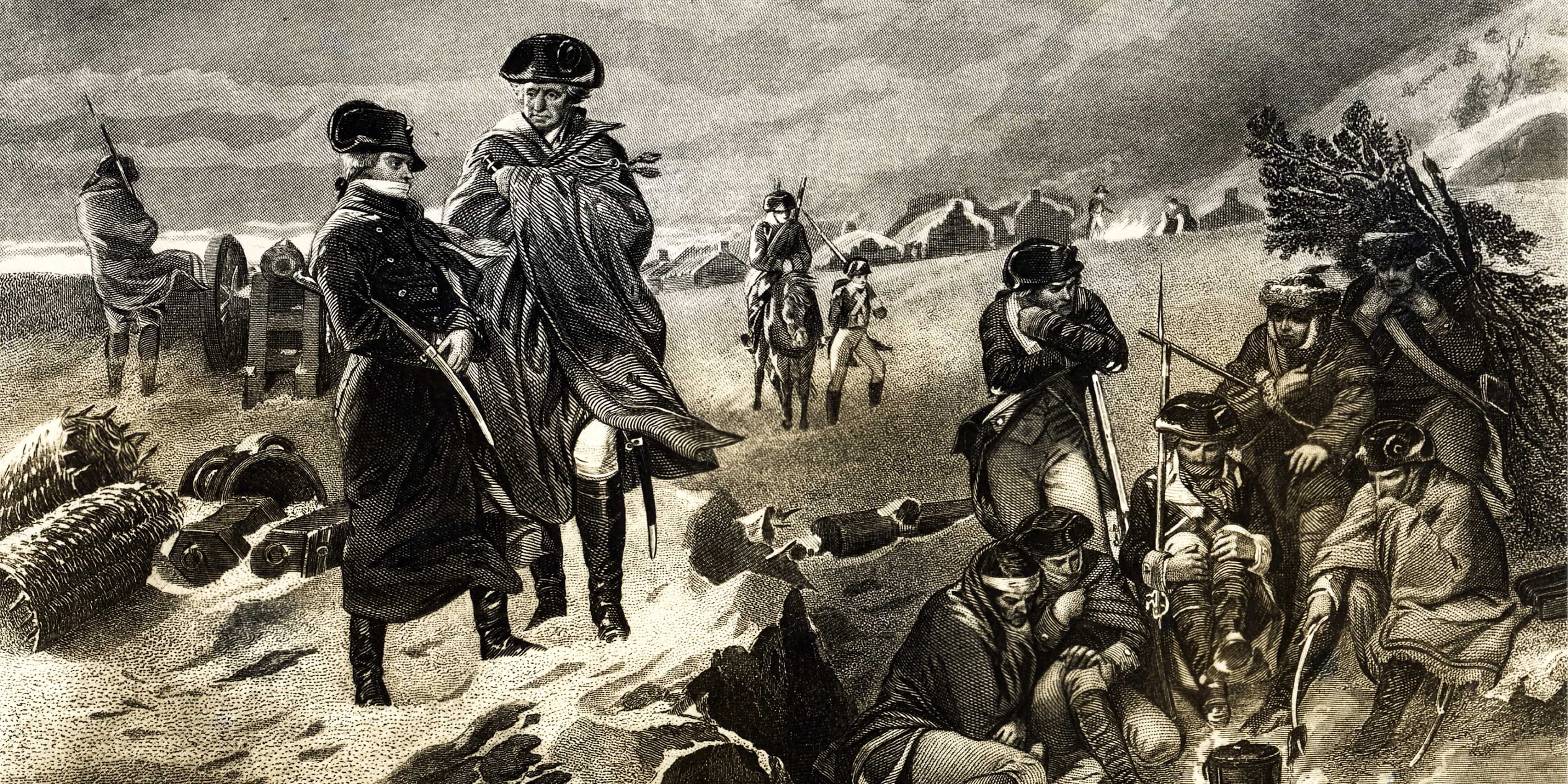
The grueling winter at Valley Forge during the American Revolutionary War represents the absolute nadir of the continental struggle for independence. In December 1777, General George Washington led a ragged, exhausted, and desperately undersupplied Continental Army into winter quarters at Valley Forge, Pennsylvania. With British forces comfortably occupying the American capital of Philadelphia just twenty miles away, Washington faced a dual crisis: a formidable global empire on his doorstep, and the imminent dissolution of his own military due to starvation, disease, and freezing temperatures. It was during this grim season, specifically on the eve of Christmas, that a desperate Washington contemplated a highly dangerous, secret offensive to turn the tide. Understanding the crucible of Valley Forge is crucial to understanding how a ragtag collection of state militias transformed into a professional fighting force capable of defeating the world’s most powerful empire.
The Darkest Hour: Historical Background and Context
The campaign of 1777 had been disastrous for the American cause. General Washington had suffered stinging defeats at the Battle of Brandywine and the Battle of Germantown, which ultimately allowed British General Sir William Howe to capture Philadelphia. Left without a capital, the Continental Congress fled into the Pennsylvania hinterlands, leaving Washington’s army to find a secure place to spend the winter. Valley Forge was chosen not for its comfort, but for its strategic advantages. Situated on high ground protected by the Schuylkill River and Mount Joy, it was close enough to Philadelphia to monitor British movements and prevent sudden raids into the Pennsylvania interior, yet easily defensible in the event of an attack.
However, the geographical advantages of Valley Forge were quickly overshadowed by an administrative and logistical catastrophe. The newly declared United States possessed no centralized taxing authority, and the Continental currency was rapidly losing its value. While local farmers preferred to sell their livestock and grain to the British in exchange for gold, Washington’s troops starved. The supplies promised by the Continental Congress were delayed by bureaucratic inefficiency and the geographical distance between the different regions across the 13 colonies. By late December, the situation had reached a breaking point.
The Aborted Christmas Eve Attack: A Risky Gamble
As Christmas of 1777 approached, Washington found himself in a desperate state of mind. On December 23, scouts reported that General Howe had sent a force of 8,000 Redcoats and Hessian mercenaries across the Schuylkill River to forage for supplies. Fearing that Howe would overrun the American position after filling his supply wagons, Washington schemed a bold, highly risky Christmas Eve offensive.
Washington’s plan was to orchestrate a diversionary attack on Howe’s left flank while launching a 4,000-man American strike force directly south to capture the British ramparts north of Philadelphia. By seizing the ferry crossings along the Schuylkill River, Washington hoped to trap Howe’s foraging army on the west bank, cutting them off from reinforcements and forcing a surrender. It was a plan born of nostalgia for the glorious victories at Trenton and Princeton exactly one year prior.
Yet, the plan was doomed before it could begin. When Washington ordered his troops to prepare for the march, his officers delivered devastating news: the men could not move. Nearly 3,000 soldiers—a quarter of the entire force—were declared unfit for duty due to a lack of shoes, coats, and food. Distraught, Washington wrote to Congress, warning that unless immediate relief arrived, the army must inevitably “starve, dissolve, or disperse.” Following the sober counsel of General Nathanael Greene, who warned against “consulting our wishes rather than our reason,” Washington stood down. A heavy blizzard began to fall, blanketing the camp in snow and officially ending the prospect of a Christmas miracle.
Key Events Timeline: Six Months at Valley Forge
To understand the progression of this legendary winter encampment, it is helpful to look at the chronological sequence of events that unfolded between 1777 and 1778:
- December 19, 1777: The Continental Army, numbering roughly 12,000 men, arrives at Valley Forge and begins constructing crude wooden huts.
- December 23, 1777: Washington proposes his bold Christmas Eve attack plan but is forced to cancel it due to a complete lack of provisions.
- December 25, 1777: Soldiers celebrate a dismal Christmas dinner of burnt mutton and watered-down grog. The first recorded death, a Black soldier named Jethro, occurs in camp.
- February 23, 1778: Baron Friedrich Wilhelm von Steuben arrives at Valley Forge, volunteering his services to train the army.
- March 1778: General Nathanael Greene is appointed Quartermaster General, successfully reorganizing the supply lines.
- May 6, 1778: News of the formal French Alliance reaches Valley Forge, sparking massive celebrations and securing crucial military and financial aid.
- June 19, 1778: Exactly six months after their arrival, the Continental Army marches out of Valley Forge in pursuit of the retreating British army, fully transformed.
The Heroes of Valley Forge: Key Figures of Resilience
While the winter at Valley Forge was a collective struggle, several key historical figures played instrumental roles in keeping the army together and transforming it into a professional fighting force:
General George Washington
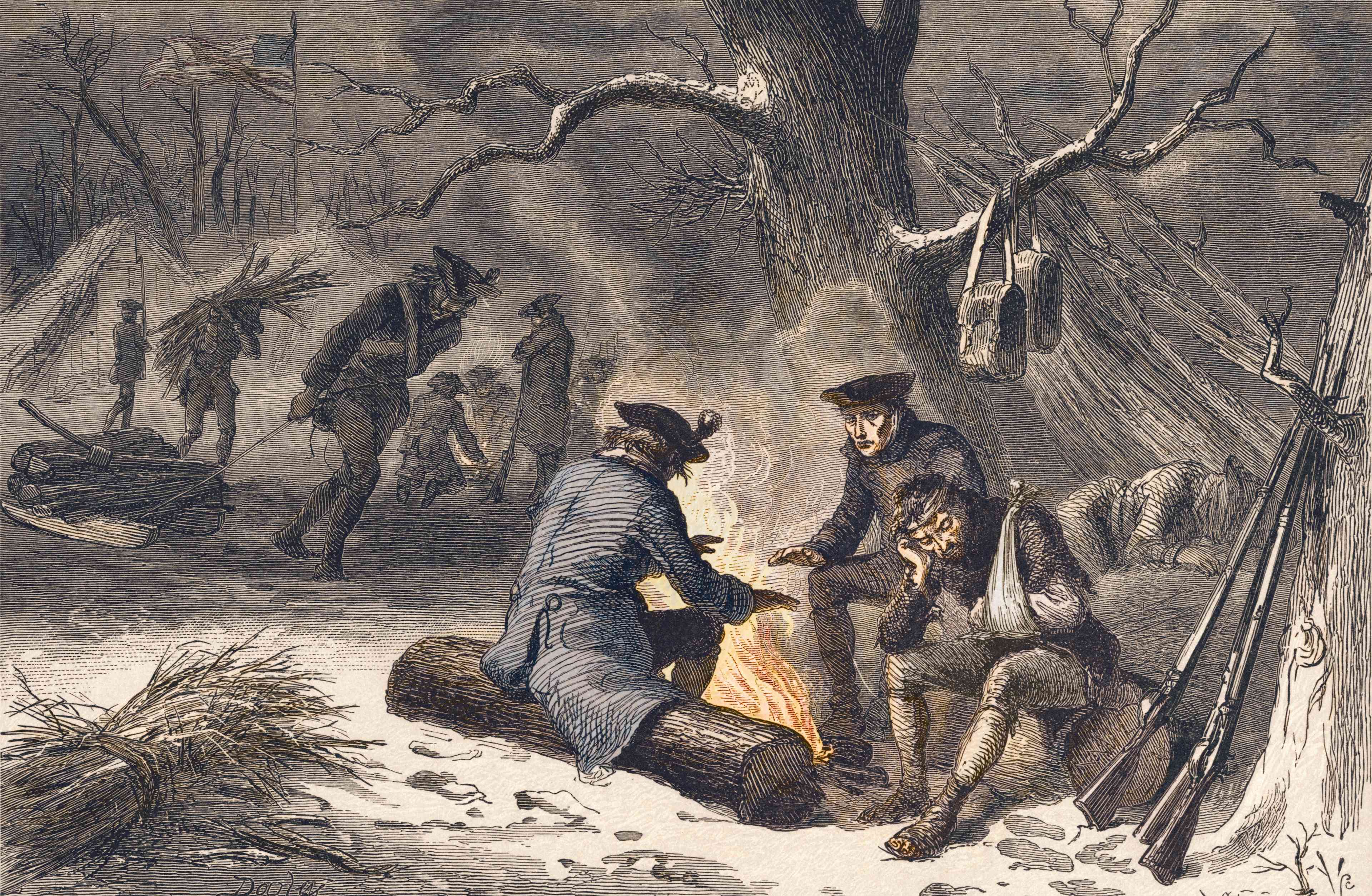
As Commander-in-Chief, Washington’s greatest victory at Valley Forge was not tactical, but psychological. By refusing to abandon his men and choosing to live in a cramped stone cottage alongside them rather than seeking comfortable quarters elsewhere, he solidified the loyalty of his troops. His constant letters to Congress eventually shamed the civilian government into providing support.
Baron Friedrich Wilhelm von Steuben
A former Prussian military officer, von Steuben arrived at Valley Forge speaking almost no English, but armed with a genius for military organization. He drafted a simplified drill manual and personally trained a “model company” of 100 men, who then went back to teach their respective regiments. Von Steuben revolutionized the camp by organizing barracks, introducing sanitary standards, and standardizing military drills.
General Nathanael Greene
Reluctantly accepting the role of Quartermaster General in March 1778, Greene worked tirelessly to solve the army’s supply crisis. He forged relationships with local merchants, established efficient transport routes, and ensured food and clothing finally reached the camp. During these freezing months, when fresh meat and produce were non-existent, many realized how much the army missed the traditional survival food storage techniques like pickling that kept civilian households fed through cold seasons.
The Marquis de Lafayette
The young, wealthy French aristocrat volunteered his services without pay and quickly became Washington’s surrogate son. Lafayette’s youthful enthusiasm, tactical competence, and willingness to share the hardships of the common soldier served as a massive morale booster for the freezing troops.
Beyond the Myth: Lesser-Known Facts of the Encampment
While the popular narrative of Valley Forge focus strictly on shivering white soldiers in the snow, the historical reality is far more diverse and complex:
- The Diversity of the Camp: The Continental Army at Valley Forge was incredibly diverse. It included hundreds of free and enslaved African Americans, such as Jethro, the Connecticut soldier who died on Christmas night. It also included Native American allies, particularly from the Oneida Nation, who brought bushels of corn to save the starving troops.
- The Smallpox Inoculation Program: Disease was a far greater killer than starvation at Valley Forge. To combat a deadly smallpox epidemic, Washington ordered a mass, secret inoculation program. This early form of vaccination, though risky, successfully saved thousands of lives and prevented a medical catastrophe.
- The Absence of Everyday Comforts: Soldiers lacked even the most basic everyday objects of colonial America, such as proper shoes, metal cooking kettles, and blankets. Many were forced to stand watch barefoot in the snow, stepping on their hats to keep their feet off the frozen ground.
The Long-Term Impact on the American Legacy
The six months the Continental Army spent at Valley Forge fundamentally altered the trajectory of American history. First, it marked the birth of a professional United States Army. Thanks to von Steuben’s training, the soldiers who marched out of Valley Forge in June 1778 were disciplined, efficient, and capable of meeting British regulars on equal terms in open battle, as they proved shortly after at the Battle of Monmouth.
Second, Valley Forge established a critical precedent for civil-military relations in the United States. Despite his intense frustration with the Continental Congress, Washington consistently deferred to civilian political authority, refusing to seize power or establish a military dictatorship. This commitment to democratic principles remains a cornerstone of the American republic today.
Why Valley Forge Still Matters Today
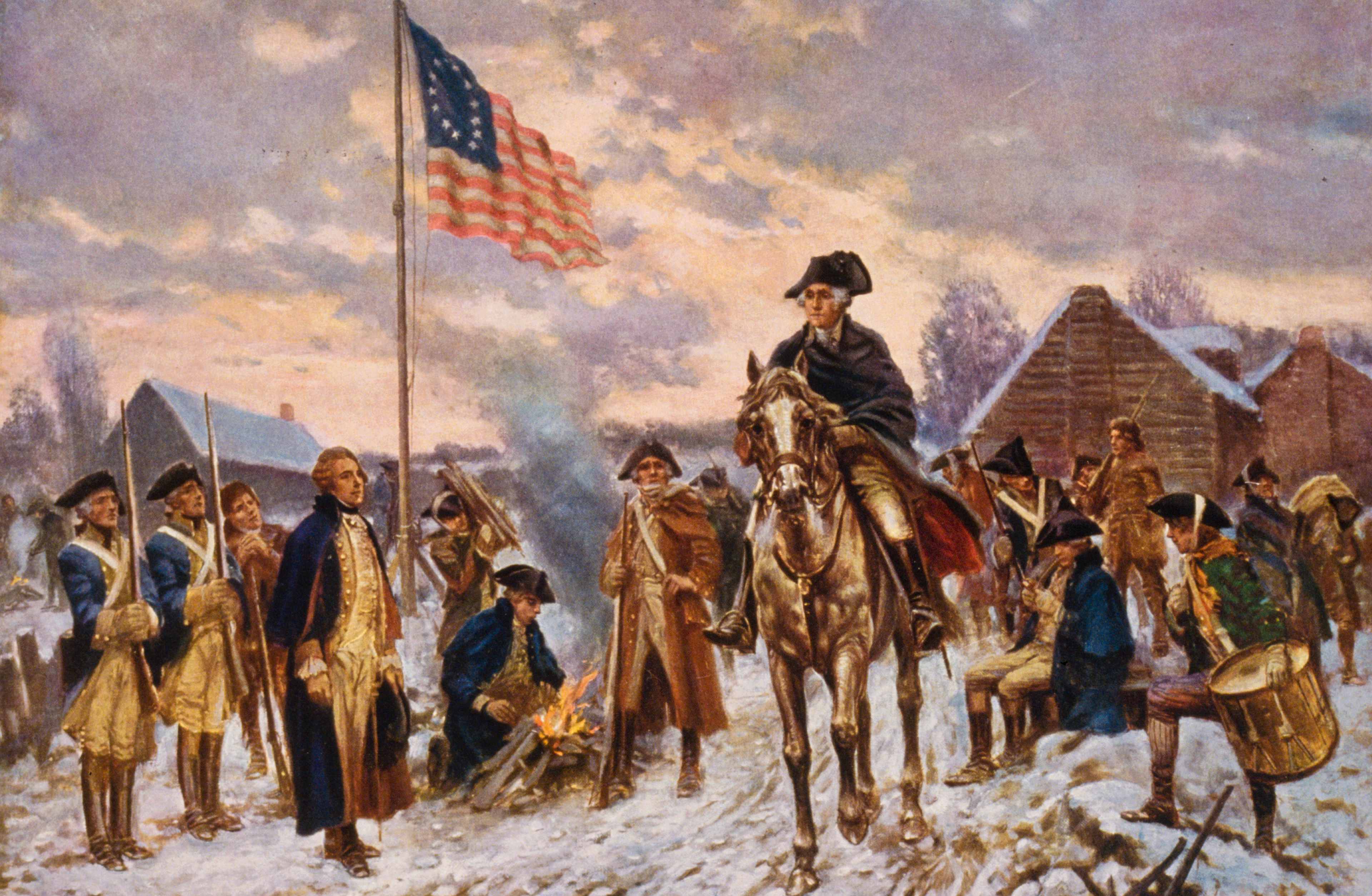
Today, Valley Forge stands as a universal symbol of endurance, resilience, and unity in the face of seemingly insurmountable adversity. It reminds modern citizens that the founding of the United States was not achieved through easy victories, but through shared sacrifice and the determination of ordinary individuals. In an era where political and social division often dominates public discourse, the story of Valley Forge serves as a powerful reminder of what can be achieved when diverse groups of people unite under a common purpose.
People Also Ask
How many soldiers died at Valley Forge?
Approximately 2,000 soldiers died during the six-month encampment at Valley Forge. The vast majority of these deaths were caused not by freezing, but by infectious diseases such as typhus, typhoid fever, influenza, and smallpox, which spread rapidly through the unsanitary and crowded huts.
Did George Washington live in a tent the entire time?
No. While Washington initially lived in his marquee tent to share the initial hardships of his men, he eventually moved his headquarters into a small, two-story stone house rented from Isaac Potts. This building served as both his home and the administrative center of the American war effort for the remainder of the winter.
What did the soldiers eat at Valley Forge?
The primary food source for soldiers at Valley Forge was “firecake,” a tasteless, sticky mixture of flour and water baked on hot stones. When supplies were slightly better, they received small portions of salted pork or beef, peas, and watered-down grog, though chronic shortages plagued the camp for most of the winter.
Conclusion
The winter at Valley Forge was undoubtedly George Washington’s most dismal Christmas, a period defined by starvation, structural failures, and aborted battle plans. Yet, it was through this intense suffering that the Continental Army found its soul. By refusing to surrender to despair, Washington and his men transformed a freezing winter camp into the birthplace of a professional American military. The legacy of Valley Forge remains a testament to the power of resilience, proving that even the darkest winters can pave the way for a triumphant spring.


