Before the iconic Stars and Stripes was officially adopted on June 14, 1777, there was no single national banner to unite the thirteen colonies in their struggle against British rule. Instead, early American patriots took to the battlefield, seas, and public squares carrying an eclectic array of handmade banners, local militia standards, and politically charged protest flags. These early Revolutionary War flags were crucial visual instruments of rebellion, rallying diverse groups of colonists around shared concepts of liberty, defiance, and self-governance. Far from being mere decorative textiles, these flags communicated powerful, often radical messages of defiance to the British Crown long before a unified American identity was fully forged.
The Historical Background: Banners of a Fractured Rebellion
During the early stages of the American Revolution (roughly 1765 to 1775), the concept of a singular ‘American’ identity did not exist. The colonists residing in the 13 colonies viewed themselves primarily as citizens of their respective provinces—Virginians, Pennsylvanians, or Massachusetts men—and as loyal, albeit aggrieved, subjects of King George III. When Parliament enacted oppressive taxation measures like the Stamp Act of 1765, local resistance movements emerged organically. Because there was no centralized military or governmental authority, early patriots constructed their own symbols of protest.
This lack of uniformity extended directly into the early military conflicts. When the Continental Army was established in 1775, General George Washington faced the daunting task of organizing a ragtag group of regional militias. Vexillologists (flag historians) note that Washington spent years contemplating what standard colors his troops should carry. Without an official national flag, individual regiments resorted to local ingenuity, utilizing whatever silks, canvas, and dyes were available. The resulting banners combined classical European iconography, biblical themes, regional agricultural symbols, and aggressive political cartoons to convey a fierce desire for self-determination.
Timeline of Early American Vexillology (1765–1777)
To understand the evolution of early American banners, it is helpful to look at the chronological progression of these flags as the colonial protest transformed into an all-out war for independence:
- 1765: The Sons of Liberty design and fly the Nine Red and White Vertical Stripes flag during protests against the Stamp Act in Boston.
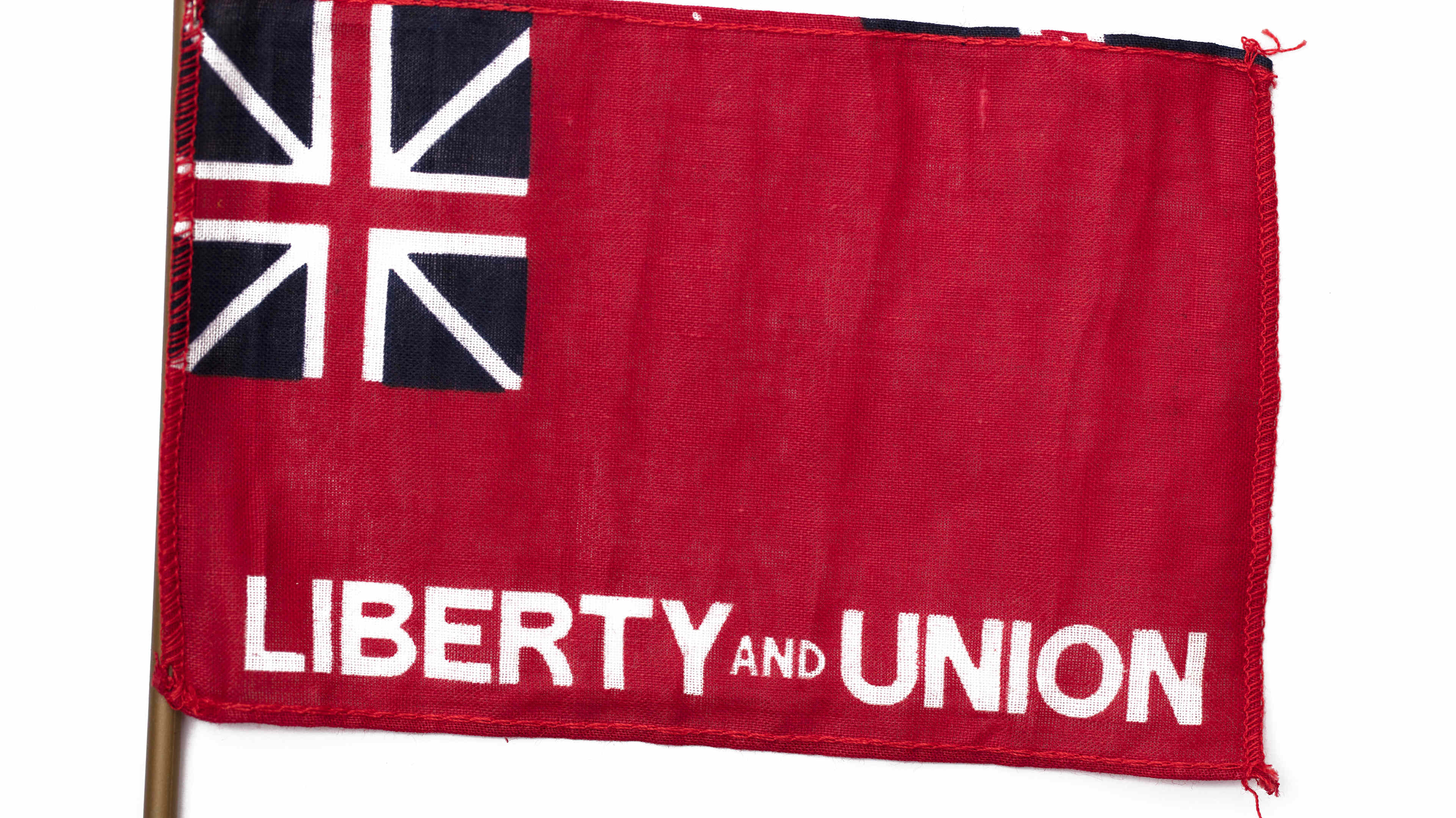
- October 1774: In Taunton, Massachusetts, a massive liberty pole is raised displaying a modified British Union flag bearing the words ‘Liberty and Union.’
- November 1774: The First Troop Philadelphia City Cavalry is formed, introducing a standard that eventually features thirteen silver and blue stripes painted over the British Union canton.
- April 1775: Minutemen from Bedford, Massachusetts, carry the ancient Bedford Flag to the Battle of Lexington and Concord, marking the first military engagements of the war.
- June 1775: New England militia units display banners featuring the New England Pine Tree at the Battle of Bunker Hill, one of the first major battles of the revolution.
- Late 1775: Continental Congressman Christopher Gadsden designs the yellow rattlesnake flag, which is presented to the South Carolina legislature and adopted by naval commander Esek Hopkins.
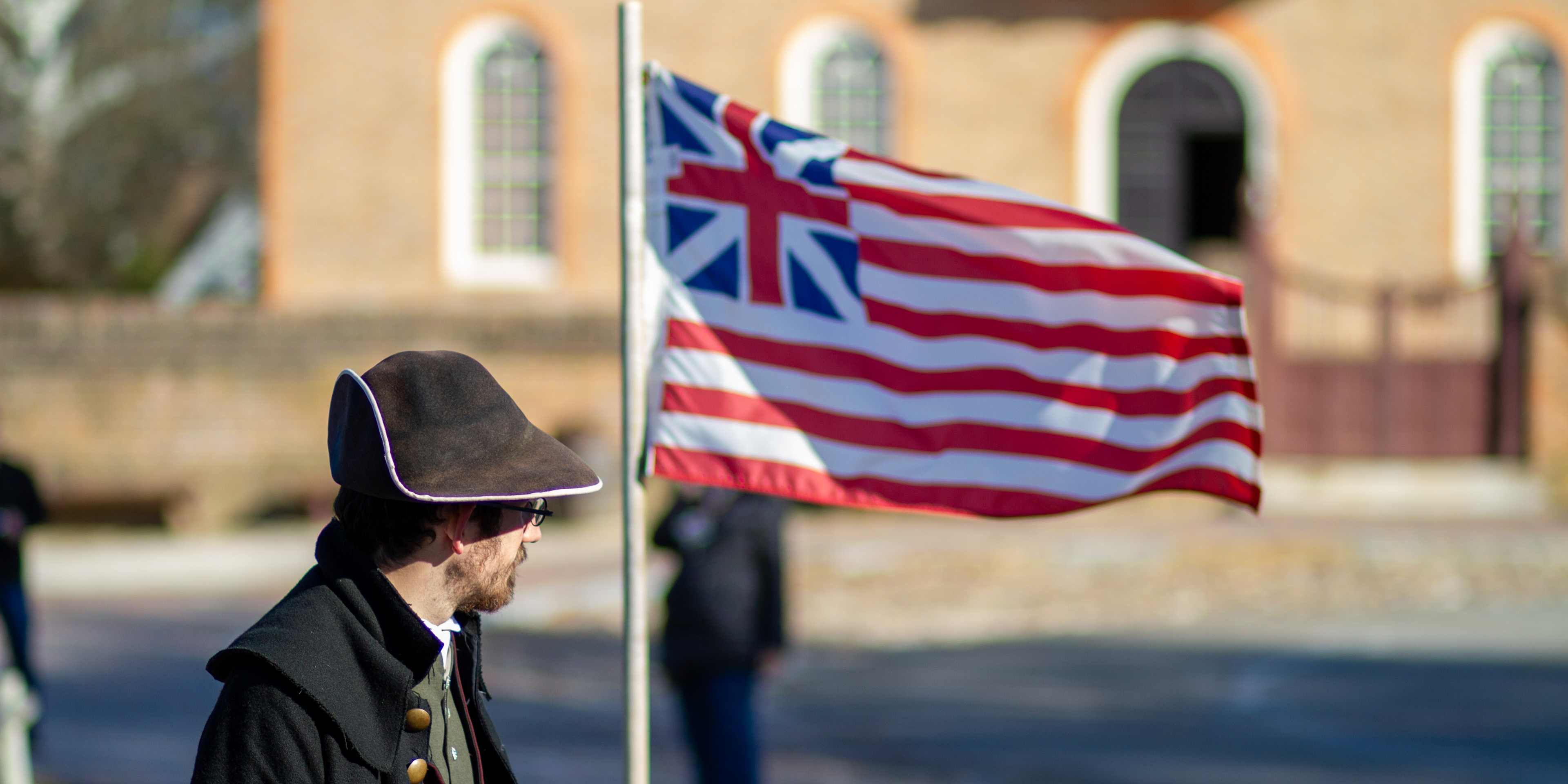
- January 1, 1776: General George Washington reportedly raises the Grand Union Flag (also known as the Continental Colors) on Prospect Hill in Massachusetts.
- June 14, 1777: The Continental Congress passes the first Flag Resolution, officially establishing the Stars and Stripes and retiring many of the regional banners from official national use.
8 Iconic Revolutionary War Flags Flown Before the Stars and Stripes
Before the adoption of ‘Old Glory,’ patriots relied on localized symbolism to rally troops and warn enemies. Here is a detailed exploration of eight pivotal flags that shaped the visual language of the American Revolution.
1. The Sons of Liberty Flag
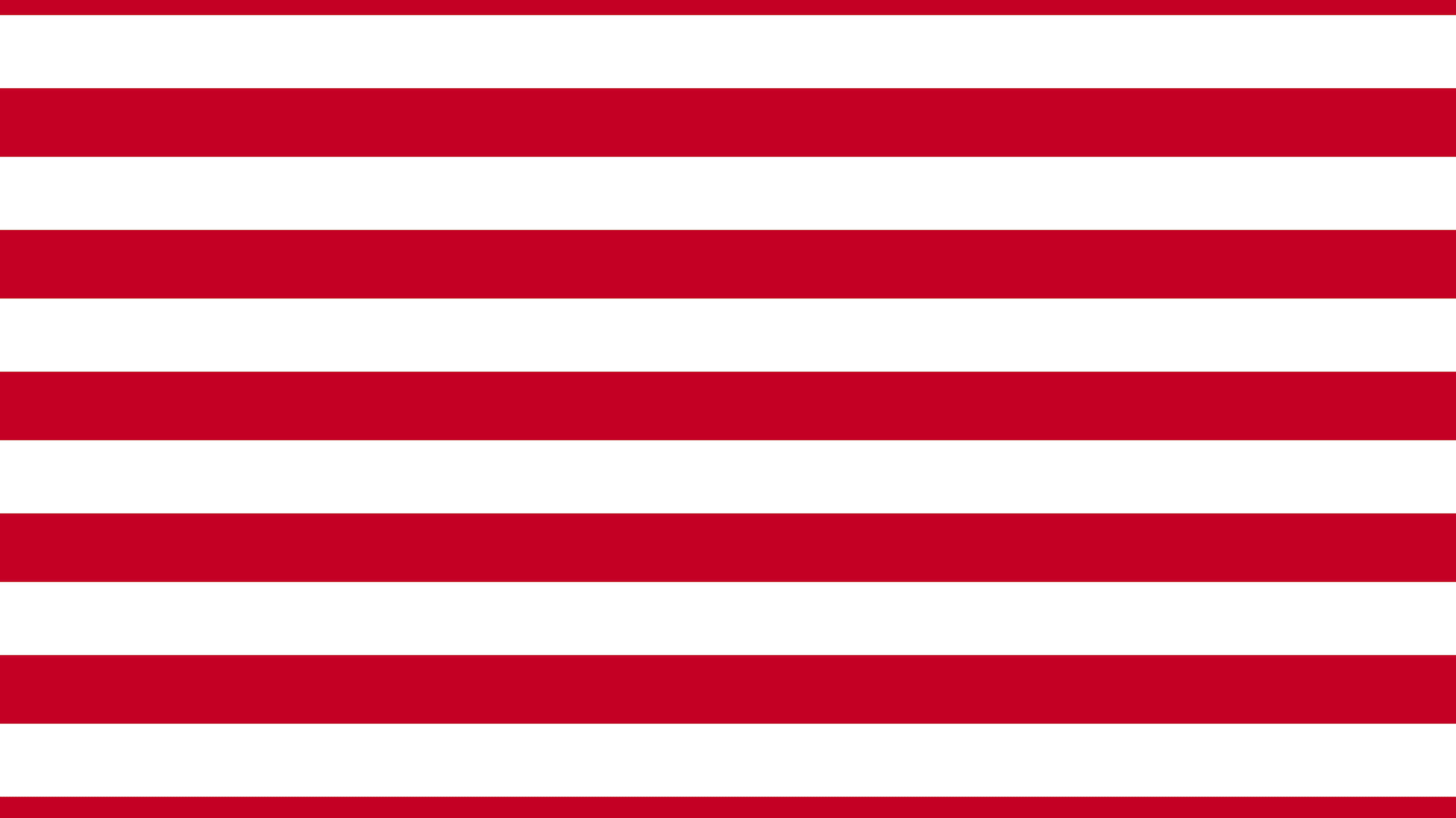
Originating in the mid-1760s, the Sons of Liberty flag was the banner of a clandestine network of patriots dedicated to opposing British imperial policies. The original design consisted of nine vertical stripes—five red and four white. According to historical accounts, these stripes were closely tied to the rebellious activism surrounding the Stamp Act of 1765. Flag historians, including Dave Martucci, suggest that the nine stripes may reference the ’45’ symbol popularized by British journalist John Wilkes, whose political publication The North Briton criticized King George III. The digits 4 and 5 add up to nine, making the design a clever, coded insult to the Crown.
Members of this radical group, who played a central role in organizing the Boston Tea Party, initially met in secret under ‘liberty trees.’ When British soldiers retaliated by cutting these trees down, the patriots began erecting tall ‘liberty poles’ and hoisting their striped flags as a visual middle finger to the occupying forces. Over time, the design evolved to include thirteen horizontal stripes, representing the unified front of the 13 colonies.
2. The Taunton Flag
First raised in October 1774 in Taunton, Massachusetts, this flag serves as a fascinating window into the early colonial mindset. Unlike later revolutionary banners, the Taunton flag did not reject British heritage outright. It retained the historic British Red Ensign, featuring the King’s Union Jack in the canton (the upper-left corner). However, patriots modified the red field by adding the bold, white words ‘LIBERTY and UNION’ across the bottom.
This design highlighted the initial objective of the colonists: they did not seek a complete separation from the British Empire, but rather demanded their constitutional rights as Englishmen. They wanted ‘Union’ with the mother country, but only on the condition of absolute ‘Liberty’ from taxation without representation. Reports from The Boston Evening Post at the time describe the raising of a 112-foot liberty pole in Taunton, topped by this bold flag, which electrified the local populace and deeply alarmed royal officials.
3. The Philadelphia Light Horse Standard
Created in late 1774 for the First Troop Philadelphia City Cavalry, this incredibly ornate standard is a masterpiece of early American military heraldry. The central design features a complex coat of arms: a knot of thirteen cords, classical figures representing Liberty and Fame, and a detailed horse head. It was carried by the elite cavalry unit that escorted General George Washington to New York in 1775 and accompanied him during the daring crossing of the Delaware River and the subsequent Battles of Trenton and Princeton.
What makes this flag particularly famous among vexillologists is its physical transformation. The original canton featured the British Union Jack, representing the troop’s initial loyalty to the crown. As the war escalated and reconciliation became impossible, the troop painted over the British canton with thirteen alternating silver and blue horizontal stripes. The original, preserved flag still shows faint traces of the Union Jack underneath the painted-over stripes, symbolizing the literal rewriting of American allegiance.
4. The New England Pine Tree Flag
The pine tree was one of the earliest and most resilient symbols of New England’s regional identity. Its usage dates back to the Massachusetts Bay Colony’s seal in 1629. In the 1680s, when Massachusetts was restructured as a royal colony, colonists placed a pine tree in the corner of the English ensign to replace the traditional Christian cross, which Puritan separatists objected to on religious grounds.
By 1775, the pine tree had been fully co-opted as a symbol of defiance against British commercial restrictions, particularly the Broad Arrow policy, which reserved the tallest New England white pines for the Royal Navy’s masts. During the Battle of Bunker Hill on June 17, 1775, Massachusetts militia units reportedly carried a pine tree flag. The symbol was so powerful that George Washington’s personal fleet of six armed schooners, commissioned in 1775, flew a variation of this flag featuring a green pine tree on a white field with the solemn motto: ‘An Appeal to Heaven.’
5. The Bedford Flag
The Bedford Flag holds the esteemed distinction of being the oldest intact battle flag in the United States. Originating in the 1640s during the English Civil Wars, this small piece of maroon silk damask was likely manufactured in England before being brought to Bedford, Massachusetts. The striking oil-painted design depicts a silver-clad arm emerging from a cloud, representing the hand of God, holding a dagger. Surrounding the image is the Latin phrase ‘VINCE AUT MORIRE’ (‘Conquer or Die’).
On April 19, 1775, during the opening salvo of the American Revolution, Bedford minuteman Cornet Nathaniel Page carried this ancient heirloom to the Battle of the North Bridge in Concord. The flag’s historical pedigree connected the colonists’ struggle to the historic English fight against royal tyranny, reminding the minutemen that their battle was part of a long-standing tradition of resisting oppressive monarchs.
6. The Green Mountain Boys Standard (Stark Flag)
Historically associated with Ethan Allen and his fierce Vermont militia, the ‘Green Mountain Boys,’ this flag features a striking green field with a canton of thirteen white stars arranged in a chaotic, hand-sewn pattern on a blue field. Although popular myth credits Ethan Allen with commissioning the flag, modern historians suggest a different origin. The flag is actually based on a surviving fragment of a banner carried by Major General John Stark of New Hampshire during the Battle of Bennington in August 1777.
Regardless of its exact origin, the flag became a potent symbol of regional pride and rugged frontier independence. The Green Mountain Boys utilized the dense forests and rugged geography of New England to launch highly effective guerrilla campaigns against British forces. Today, the banner remains a proud patriotic symbol for the state of Vermont, and the Vermont National Guard continues to display it during official deployments and ceremonies.
7. The Gadsden Flag
Perhaps the most famous and controversial of all early American flags is the Gadsden Flag. Designed in late 1775 by Continental Congressman Christopher Gadsden of South Carolina, this bright yellow flag depicts a coiled timber rattlesnake poised to strike on a patch of green grass, accompanied by the legendary warning: ‘DON’T TREAD ON ME.’
The snake symbol was heavily inspired by Benjamin Franklin’s famous 1754 ‘Join, or Die’ political cartoon, which urged colonial unity during the French and Indian War. Franklin chose the timber rattlesnake because it is unique to North America, possesses no eyelids (signifying eternal vigilance), and never begins an attack but never surrenders once provoked. Gadsden presented the flag to the commander of the newly formed Continental Navy, Commodore Esek Hopkins, who flew it as his personal standard. Over the centuries, the Gadsden flag has been resurrected by various political movements, including supporters of the Confederacy in the 1860s, the anti-war movement in the 1970s, and modern-day libertarian groups advocating for small government and personal liberty.
8. The Grand Union Flag (The Continental Colors)
As the conflict intensified in early 1776, the Continental Congress realized the need for an unofficial national banner that could be recognized by both land forces and naval vessels. The result was the Grand Union Flag, also known as the Continental Colors. The design was a practical compromise: it featured thirteen alternating red and white horizontal stripes, but retained the British Union Jack in the canton.
This flag perfectly illustrated the complex, agonizing transition the colonies were undergoing. By keeping the British Union Jack, the colonists signaled their continued respect for the British Constitution and the King, while the thirteen stripes asserted their unity in defending their rights. According to historical lore, General George Washington raised this flag at Prospect Hill on January 1, 1776, during the siege of Boston, to mark the official birth of the Continental Army. It served as the primary, albeit unofficial, national flag until the first Flag Resolution was passed the following year.
Crucial Figures in Early American Flag Design
While many of these flags were handmade by forgotten colonial seamstresses and local artisans, several key figures played crucial roles in developing and popularizing these symbols of liberty:
- George Washington: As the Commander-in-Chief of the Continental Army, Washington recognized the critical psychological role that flags played on the battlefield. He pushed for standardized designs to avoid confusion and boost troop morale, ultimately overseeing the transition to a unified national flag.
- Christopher Gadsden: A radical patriot from South Carolina, Gadsden was a member of the Marine Committee of the Continental Congress. His yellow rattlesnake design became a universal symbol of American defiance.
- Benjamin Franklin: Through his journalistic work and satirical cartoons, Franklin popularized the timber rattlesnake as a symbol of the American spirit, laying the conceptual groundwork for the Gadsden flag.
- John Stark: A hero of the Battle of Bennington, Stark’s personal regiment banner preserved the design that would eventually be recognized as the standard of the Green Mountain Boys.
Major Turning Points and the Path to the Stars and Stripes
By 1777, the geopolitical landscape had shifted dramatically. The Declaration of Independence had been signed in July 1776, formally severing ties with Great Britain. The colonies were no longer fighting for their rights as British subjects; they were fighting as an independent, sovereign nation. Consequently, continuing to fly flags that featured the British Union Jack—such as the Grand Union Flag or the Taunton Flag—became politically and militarily counterproductive.
Furthermore, the extreme diversity of regional banners created dangerous confusion on the battlefield. During the chaotic smoke and din of 18th-century warfare, soldiers relied on flags to identify friendly units and organize tactical maneuvers. Having dozens of different flags made it nearly impossible for commanders to coordinate large-scale operations. To solve these diplomatic and tactical dilemmas, the Continental Congress met in Philadelphia and passed the historic Flag Resolution on June 14, 1777, establishing a single, unified national banner: the Stars and Stripes.
Lesser-Known Historical Facts About Revolutionary Flags
Beyond their famous designs, early American flags harbor several surprising secrets that are often overlooked in standard history textbooks:
- Reused and Recycled Materials: Because high-quality silk, wool, and imported dyes were exceptionally scarce in the colonies due to British blockades, many revolutionary flags were made from repurposed household items. Patriots frequently took down window curtains, old dresses, and merchant ship sails to stitch together banners of rebellion.
- The Missing Designers: Unlike modern flags designed by professional committees, almost all Revolutionary War flags were designed anonymously. The names of the local seamstresses and militia members who hand-stitched these legendary banners have been lost to history.
- The Multi-Color Pine Trees: While we often picture the New England Pine Tree Flag as green on a white background, historical records show that pine trees were depicted in various colors, including blue, yellow, and even red, depending on the specific dyes available to the local makers.
Why These Revolutionary Flags Still Matter Today
The story of early American vexillology is not just a collection of dusty historical trivia; it is a vital part of the ongoing American dialogue about identity, freedom, and governance. These flags remind us that the United States was not born as a monolithic, pre-planned nation, but rather as a fragile coalition of highly distinct, localized cultures. Exploring how colonial towns that shaped early America contributed to this mosaic helps us appreciate the complexity of the nation’s origins.
Today, many of these flags continue to evoke strong emotional and political reactions. The Gadsden flag is a staple at modern political rallies, symbolizing tax resistance and individual liberties. The Pine Tree flag is frequently flown by those seeking to connect with early American traditions of religious freedom and local sovereignty. By studying these pre-republican banners, we gain a deeper appreciation for the complex, creative, and courageous ways that early Americans expressed their yearning for self-determination.
People Also Ask (PAA)
What was the very first flag of the United States?
The first unofficial flag of the United States was the Grand Union Flag (also known as the Continental Colors), raised in late 1775. The first official national flag was the Stars and Stripes, adopted by the Continental Congress on June 14, 1777, featuring thirteen stars and thirteen stripes.
Why did early American flags feature a rattlesnake?
The rattlesnake was popularized as a symbol of the colonies by Benjamin Franklin. It represented eternal vigilance, unity, and a warning that while peaceful, the colonies would defend themselves fiercely if provoked (‘Don’t Tread on Me’).
Where did the motto ‘An Appeal to Heaven’ come from?
The motto ‘An Appeal to Heaven,’ featured on the Pine Tree Flag, was taken from the writings of English philosopher John Locke. It suggested that when citizens have no earthly authority to turn to for justice against a tyrannical ruler, their only remaining option is to appeal directly to God through armed resistance.
Conclusion: The Tapestry of American Liberty
The eight Revolutionary War flags flown before the Stars and Stripes represent the diverse, creative, and deeply decentralized nature of the early American struggle for independence. From the radical horizontal stripes of the Sons of Liberty to the classical heraldry of the Philadelphia Light Horse, these banners allowed a fractured collection of colonies to speak a unified language of defiance. While the Flag Resolution of 1777 eventually streamlined national symbolism under ‘Old Glory,’ the spirit of these early standards lives on, serving as enduring testaments to the complex tapestry of American liberty.


