Long before the internet, instantaneous emails, or smartphones connected the world, the early American colonies relied on a much slower, physically taxing network of communication to share news, coordinate trade, and organize rebellion. In the tumultuous years leading up to the Revolutionary War, the survival of a fledgling nation depended entirely on horseback riders traversing rough-hewn dirt roads to carry letters between cities and towns. It was during this pivotal era that the Continental Congress recognized the need for a highly secure, efficient, and centralized communication system. To build this vital network, they turned to none other than Benjamin Franklin, appointing him as the nation’s first Postmaster General in July 1775. Franklin did not simply establish the U.S. Post Office; he engineered a sophisticated systems infrastructure that transformed the way Americans interacted, laid the groundwork for a unified national identity, and served as a powerful weapon against British colonial rule. Understanding this fascinating chapter of American history reveals how a humble printing business evolved into the modern United States Postal Service, proving that the mail was the true connective tissue of early America.
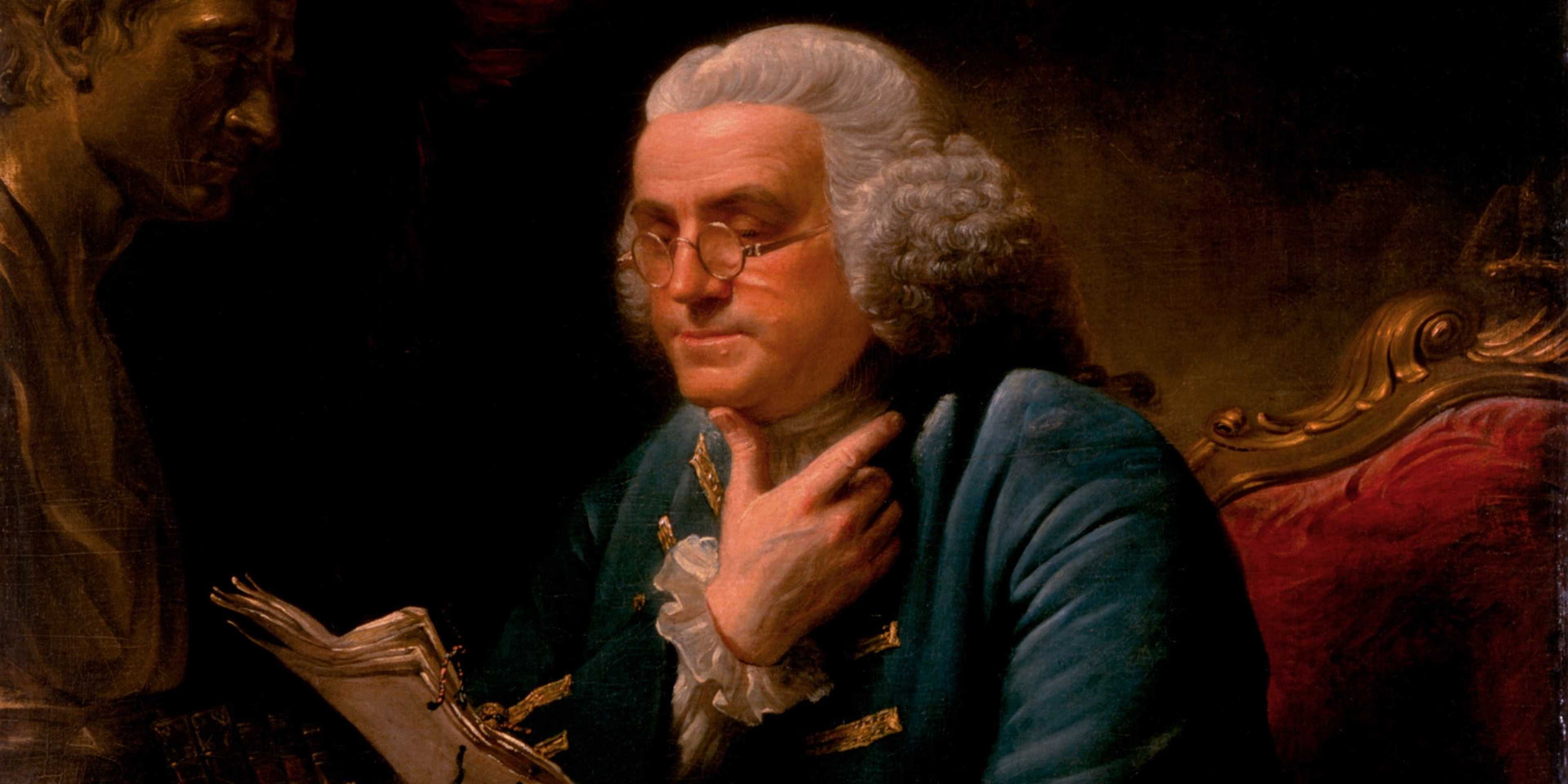
Historical Background: Communication in the Colonial Era
In the early years of British colonization, communication was highly fragmented and notoriously unreliable. Information traveled slowly, primarily by word of mouth in local taverns, or through official proclamations where town criers served as the primary social media of their day. If a colonist wanted to send a letter to another colony, they had to rely on private travelers, merchants, or ship captains willing to carry the message. This ad-hoc system was plagued by delays, lost correspondence, and exorbitant costs. Recognizing these inefficiencies, the British Crown established the Parliamentary Post in 1711, but the system remained poorly organized and largely served the interests of British authorities rather than the colonists. By the mid-18th century, the burgeoning commerce and rising political tensions in the New World demanded a robust, reliable, and secure postal system. The catalyst for this transformation arrived in the form of a Philadelphia printer who possessed a remarkable genius for systems analysis.
The Rise of Benjamin Franklin: From Local Postmaster to Postal Pioneer
Benjamin Franklin’s journey into the postal business began long before he became a revolutionary icon. In 1737, at the age of 31, Franklin was already a highly successful printer and publisher in Philadelphia. To understand the media landscape of the time, one can look at how America’s first newspapers struggled to survive without proper distribution channels. When British authorities removed Franklin’s predecessor for failing to submit financial reports, Franklin was appointed the postmaster of Philadelphia. Although the position paid a modest commission of only 10 percent on postage, it came with an invaluable fringe benefit: the franking privilege. This allowed Franklin to send his own newspaper, the Pennsylvania Gazette, to readers free of charge. Utilizing this advantage, Franklin dramatically expanded his paper’s circulation, transforming it into one of the most successful publications in the colonies. He also used his free postage to build a dynamic personal social network, writing to prominent intellectuals and scientists across Europe, which solidified his global reputation as a visionary thinker.
Franklin’s meticulous record-keeping and business acumen did not go unnoticed. In 1753, the British Crown appointed him as joint postmaster general for all 13 colonies, a role he nominally shared with William Hunter of Virginia. However, it was Franklin who drove the operation, immediately embarking on a mission to modernize the colonial postal system. He traveled extensively to inspect routes, audit post offices, and select the most reliable clerks. He established regular delivery schedules, mapped out the fastest roads, and standardized postal rates, laying the foundations of a highly efficient network.
Chronological Timeline: The Evolution of the American Postal System
- 1737: Benjamin Franklin is appointed postmaster of Philadelphia by British authorities.
- 1753: The British Crown appoints Franklin as joint postmaster general for all 13 American colonies.
- 1758: Franklin decrees a uniform, low rate for all newspapers, democratizing access to information.
- 1760: Under Franklin’s expert management, the colonial postal system turns a financial profit for the first time.
- January 1774: Franklin is summarily dismissed from his royal post due to his involvement in leaking the controversial Hutchinson Letters.
- July 1775: The Continental Congress officially establishes the Constitutional Post and appoints Franklin as the first U.S. Postmaster General.
- December 1775: The British royal mail service in the colonies is forced to shut down due to a lack of business.
- Late 1776: Franklin steps down to serve as an ambassador to France, passing postal leadership to his son-in-law, Richard Bache.
Key Figures and Their Historical Roles
The creation of the American postal network was not a solitary effort. Several key figures played critical roles in its development:
- Benjamin Franklin: The mastermind behind the system. His experience as a royal postmaster allowed him to build a highly efficient, profitable, and secure network for the newly independent United States.
- William Goddard: A revolutionary publisher and former postmaster from Providence, Rhode Island. He founded the Constitutional Post, an alternative, secure postal service designed to prevent British authorities from opening colonial mail.
- Richard Bache: Franklin’s son-in-law who served as his loyal deputy and eventually succeeded him as Postmaster General when Franklin was sent to France on a diplomatic mission.
- Thomas Hutchinson: The royal governor of Massachusetts. His private letters, which favored the suppression of colonial liberties, were leaked by Franklin, triggering a political storm that cost Franklin his royal job but accelerated the drive for independence.
The Catalyst: The Hutchinson Letters and the Birth of the Constitutional Post
By the 1770s, the political atmosphere in the colonies was reaching a boiling point. The British government’s imposition of taxes without representation sparked widespread outrage. Amidst this tension, British postmasters frequently intercepted and opened mail to spy on suspected colonial rebels. The turning point came in 1773 when Franklin, while serving as a colonial agent in London, received a packet of letters written by Thomas Hutchinson. In these documents, the governor advocated for the suppression of colonial liberties in Massachusetts. Franklin forwarded the letters to a friend in Boston, hoping to ease tensions by showing that the harsh policies originated from local officials rather than London. Instead, the letters were leaked to the press, sparking public outrage.

In January 1774, British authorities humiliated Franklin in a public trial and summarily dismissed him from his position as postmaster general. This high-profile firing left the colonies without their master systems engineer and triggered a severe decline in the imperial mail system. Seeing the vulnerability of their communications, William Goddard stepped forward to create the Constitutional Post. This alternative network allowed colonists to exchange letters securely, shielded from the watchful eyes of British royal authorities, and laid the literal path for the official postal network of the United States.
Major Turning Points: The Revolutionary War and the Continental Post Office
When the Battles of Lexington and Concord erupted in April 1775, secure communication became a matter of national survival. The Continental Congress realized that Goddard’s makeshift network, while helpful, lacked the scale needed to support a wartime government. In July 1775, they officially established a national post office and turned to the one man they trusted implicitly: Benjamin Franklin. Appointed as the first Postmaster General at a salary of 1,000 dollars a year, Franklin set to work replicating the robust system he had previously built for the British Crown.
He hired Goddard as chief surveyor and his son-in-law, Richard Bache, as deputy. Franklin quickly mapped out postal routes extending from Maine to Georgia, placing trusted postmasters in key positions. His new system was so highly efficient and widely supported by the public that the British royal mail in America was starved of customers. By December of 1775, the Crown’s postal operations in the colonies were forced to shut down entirely, marking a quiet but massive victory for the American revolutionaries.
Long-Term Impact: How the Post Office Shaped the United States
The establishment of the post office had profound, long-term consequences for the young republic. By connecting distant settlements along the geography of the original 13 colonies, the postal service fostered a unified national identity. It allowed the exchange of political discourse, the coordination of trade, and the rapid spread of news. The Framers of the Constitution recognized this significance, writing the Postal Clause into Article I, Section 8, which granted Congress the explicit power ‘To establish Post Offices and post Roads.’ Furthermore, the Post Office Act of 1792 codified principles of free press by heavily subsidizing newspaper delivery, creating an informed electorate that was vital for a functioning democracy.
Lesser-Known Historical Facts
While most Americans know Benjamin Franklin as a founding father who flew a kite in a lightning storm, his postal career is filled with fascinating, lesser-known details:
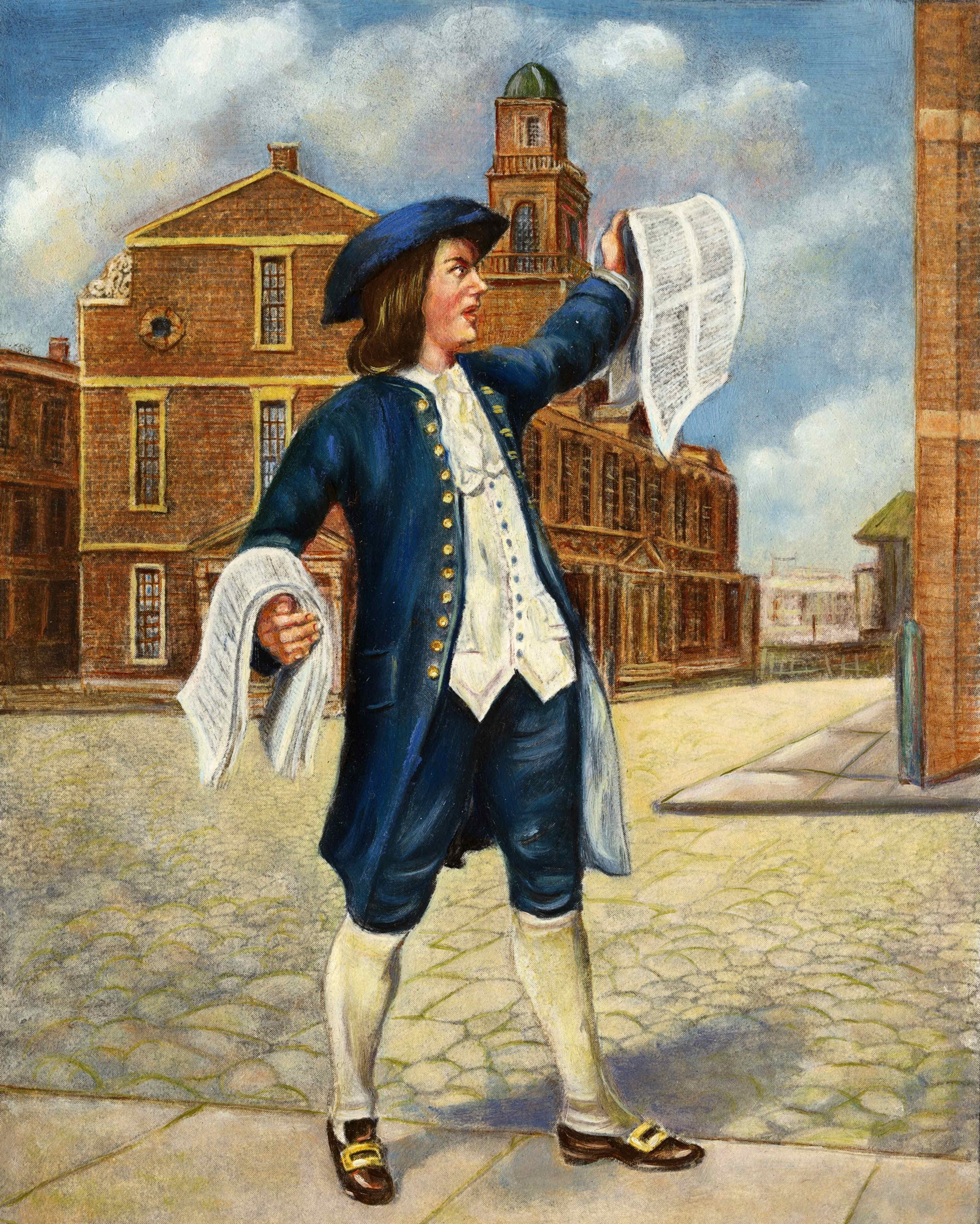
- The B. Free Franklin Defiance: Under British rule, Franklin had the franking privilege, allowing him to send mail for free by signing it ‘Free. B. Franklin.’ After the revolution began, he altered his signature to read ‘B. Free Franklin’—a clever play on words that served as a signature and a quiet declaration of American independence.
- The 24-Hour Mail Breakthrough: Franklin was a master of logistics. By putting mail riders on the roads during the night and designing a crude mechanical odometer attached to his carriage wheel to measure the most direct routes, he cut the delivery time for a letter between Philadelphia and New York (and its reply) to just 24 hours.
- The First Dead-Letter Office: Franklin was the first to recognize that undeliverable mail was a major waste of resources. He established a ‘dead-letter office’ in Philadelphia to handle letters that could not reach their recipients, creating a system to return or log lost correspondence.
Why It Still Matters Today
Today, the United States Postal Service (USPS) remains one of the country’s most enduring and trusted public institutions. Franklin’s foundational principle—that the postal service exists to serve the public interest rather than simply generate a profit—remains at the heart of modern debates regarding the agency’s funding and role in society. In an era dominated by private shipping giants and digital email, the USPS is still legally mandated to provide universal service, delivering mail, prescription medications, and absentee ballots to every single household in the United States, no matter how remote. Franklin’s legacy endures in every mailbox across the country, serving as a reminder that a free society depends on the reliable, democratic flow of information.
People Also Ask
Who was the first Postmaster General of the United States?
Benjamin Franklin was appointed the first Postmaster General of the United States by the Continental Congress in July 1775. He was tasked with establishing a secure, unified communication network for the rebelling colonies during the Revolutionary War.
Why did Benjamin Franklin lose his job as a British royal postmaster?
Franklin was dismissed from his royal post in January 1774 after he leaked private letters written by Massachusetts Governor Thomas Hutchinson. The letters exposed British plans to restrict colonial liberties, causing an uproar that forced British authorities to publicly humiliate and fire Franklin.
What was the Constitutional Post?
The Constitutional Post was an alternative, independent mail system created by William Goddard in 1774. It was established to bypass the British royal mail, preventing British officials from opening and reading the letters of colonists during the onset of the American Revolution.
Conclusion
The story of how Benjamin Franklin established the U.S. Post Office is a testament to the power of administrative genius during a time of crisis. Franklin took a fragmented, slow, and heavily monitored imperial system and transformed it into a secure, highly efficient network that physically united the 13 colonies. By ensuring that ideas, news, and military plans could flow freely and securely, Franklin’s postal system provided the vital infrastructure that helped win the American Revolution. His enduring legacy lives on in the modern USPS, reinforcing the timeless truth that an informed, interconnected populace is the ultimate foundation of a free democracy.


