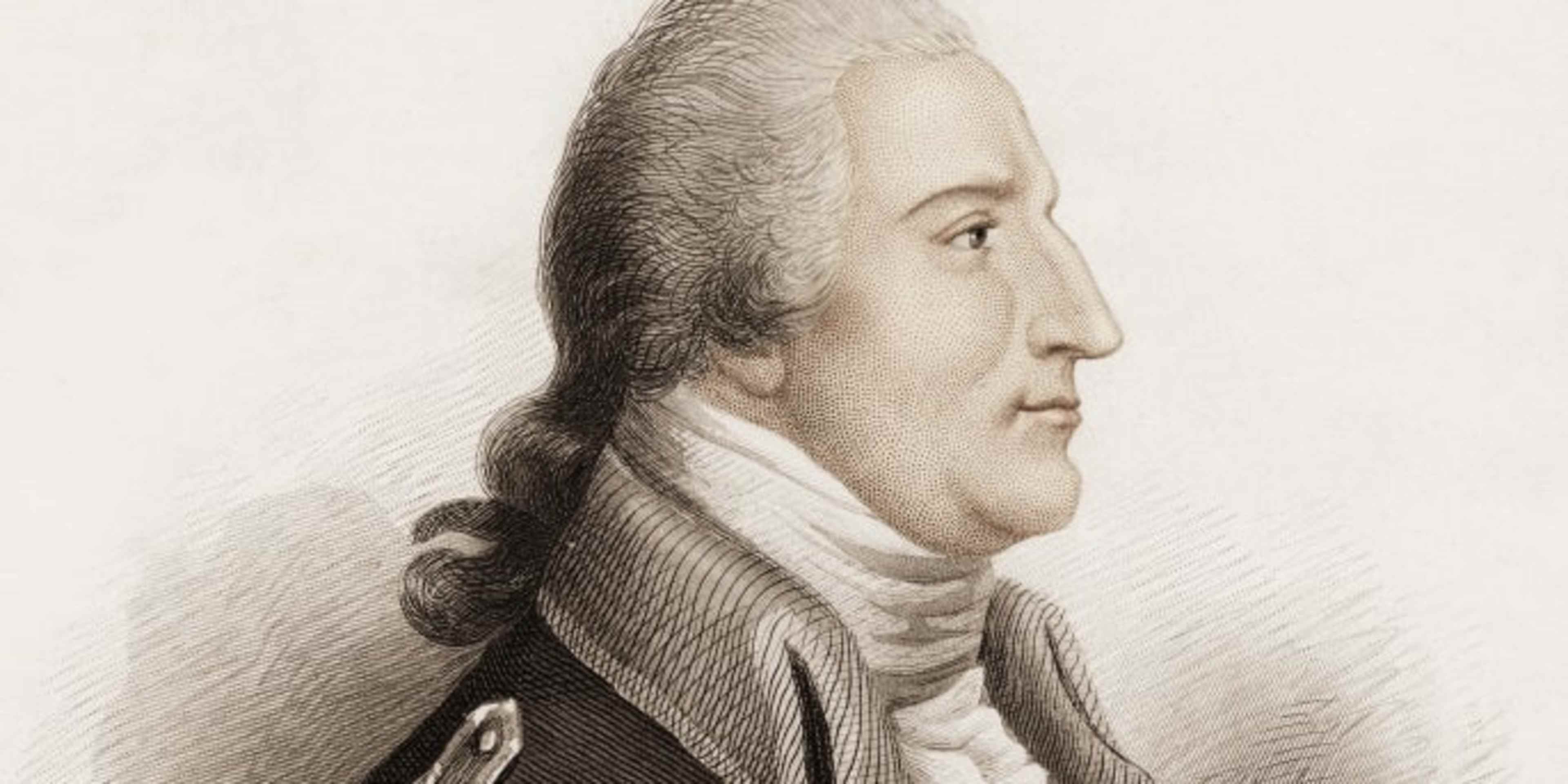
In the lexicon of American idioms, few insults carry as much historical weight or absolute venom as calling someone a “Benedict Arnold.” To be branded with this name is to be labeled the ultimate traitor—someone who actively smiles in your face while plotting your ruin behind your back. But how did a once-celebrated military mastermind, praised by George Washington himself as one of the finest battlefield commanders of the Continental Army, undergo such a catastrophic descent into infamy? The story of Benedict Arnold is not merely a black-and-white tale of a mustache-twirling villain; rather, it is a complex, tragic, and deeply fascinating saga of ego, perceived injustice, financial ruin, and calculated espionage. Understanding this critical chapter of the American Revolution requires us to look beyond the modern label and examine the volatile sociopolitical landscape of the late 18th century, a time when the fate of a fledgling nation hung by a thread and trust was the most valuable commodity of all.
The Rise of a Revolutionary War Hero
Before his name became a synonym for treason, Benedict Arnold was one of the most daring and successful generals fighting for American independence. Born in Norwich, Connecticut, in 1741, Arnold was a prosperous merchant before the outbreak of hostilities in 1775. When the Revolutionary War broke out in April of 1775, Arnold did not hesitate; he set out as captain of the Connecticut Militia Company to join the Continental forces in Massachusetts.
Arnold rapidly established a reputation for fearless leadership and tactical genius. Alongside Ethan Allen and the Green Mountain Boys, he led the brilliant bloodless capture of Fort Ticonderoga in New York, securing vital heavy artillery for the revolutionary cause. Later that same year, Arnold proposed and executed a grueling expedition through the Maine wilderness to launch an attack on Quebec. While the assault on Quebec ultimately failed and Arnold suffered a severe leg wound, his sheer determination earned him a promotion to brigadier general and the deep admiration of George Washington.
The Timeline of a Tragic Defection
To fully understand the transition from patriot to turncoat, we must look at the chronological sequence of events that chipped away at Arnold’s loyalty to the young American republic:
- April 1775: Arnold joins the Revolutionary struggle immediately following the battles of Lexington and Concord.
- May 1775: Arnold and Ethan Allen capture Fort Ticonderoga, capturing crucial British artillery.
- December 1775: Arnold leads the heroic but failed assault on Quebec, sustaining a severe leg wound.
- October 1776: Arnold commands American fleet forces at the Battle of Valcour Island, delaying a British invasion from the north.
- February 1777: The Continental Congress promotes five junior officers over Arnold, igniting his deep resentment and sense of betrayal.
- October 1777: Arnold plays a decisive, heroic role at the Battle of Saratoga, leading charges that force the surrender of British General John Burgoyne. He is severely wounded in the same leg.
- May 1778: Washington appoints Arnold military governor of Philadelphia, where Arnold falls into deep debt and meets Loyalist sympathizer Peggy Shippen.
- May 1779: Arnold begins a treasonous secret correspondence with British Major John André, offering military intelligence in exchange for money.
- September 1780: The conspiracy to hand over West Point is exposed; André is captured and executed, while Arnold escapes to British lines.
- June 1801: Arnold dies in London, universally despised by Americans and largely ignored by the British.
The Catalysts of Betrayal: Why Did Arnold Turn?
To comprehend the sheer magnitude of Arnold’s shift, we must analyze the social and psychological pressures he faced. Arnold was a man of immense pride and a volatile temper. His combat injuries left him physically hobbled, and his financial accounts were in shambles, largely because he had spent his personal wealth to fund military campaigns, only for a bureaucratic Continental Congress to refuse to reimburse him.
Furthermore, political maneuvering within Congress led to junior officers being promoted ahead of him. Embittered by what he perceived as systemic ingratitude, Arnold’s alienation deepened when he was assigned to be the military governor of Philadelphia. There, he lived an extravagant lifestyle far beyond his means and married the beautiful Peggy Shippen, a member of a wealthy Loyalist family. Surrounded by anti-revolutionary sentiment and facing mounting debts and a pending court-martial for minor administrative abuses, Arnold made the fateful decision to sell his allegiance. Historians have long debated the exact combination of greed, resentment, and marital influence that drove his choices; those interested in a deeper analysis can explore the specific factors of why Benedict Arnold chose to betray his country.
The Major Turning Point: The West Point Conspiracy
By 1780, Arnold was actively plotting to deliver a fatal blow to the American rebellion. He successfully used his influence to secure command of West Point, a highly strategic American fort overlooking the Hudson River. If the British captured West Point, they would control the Hudson River valley, effectively splitting New England off from the rest of the rebellious colonies and likely ending the American experiment then and there.
Arnold negotiated a deal with Major John André, the chief of British intelligence, to surrender the fort in exchange for £20,000 (a massive fortune at the time) and a high-ranking command in the British Army. On September 21, 1780, the two conspirators met secretly. However, as André attempted to return to British lines disguised in civilian clothes, he was intercepted by American militiamen. Hidden inside André’s boots were the detailed plans of West Point, written in Arnold’s own handwriting. While André was captured and subsequently hanged as a spy, Arnold received word of the arrest just in time to flee down the Hudson River aboard a British warship, escaping justice and leaving his co-conspirator to face the gallows.
The exposure of this plot highlighted the intense espionage warfare of the era. It is a prime example of how George Washington leveraged sophisticated spy networks and counter-intelligence to safeguard the vulnerable revolution from internal and external saboteurs.
Lesser-Known Facts About America’s Most Famous Traitor
While the broad strokes of Arnold’s betrayal are taught in classrooms, several bizarre and fascinating details of his life remain shrouded in obscurity:
- The Monument to the Boot: At Saratoga National Historical Park, there stands a unique monument dedicated to Benedict Arnold’s leg, which was shattered during his heroic charge. The monument praises his military brilliance but intentionally leaves his name entirely off the stone, honoring the leg that fought for America while ignoring the man who betrayed it.
- A Double-Agent Kidnapping Plot: After Arnold fled to the British side, George Washington was so desperate to bring him to justice that he authorized a daring covert mission. Sergeant Major John Champe “deserted” the Continental Army to join Arnold’s British unit in New York, plotting to kidnap Arnold and bring him back across the Hudson. The plan failed at the last second when Arnold’s unit was suddenly ordered to board transport ships.
- Despised on Both Sides of the Atlantic: After escaping to England, Arnold discovered that the British aristocracy viewed him with deep distrust. They utilized his services but refused to grant him the social status he craved, viewing him as an unprincipled turncoat who had betrayed his own people.
For more unusual details, history enthusiasts can discover other surprising aspects of his life and military career that show just how multi-dimensional his story truly was.
The Long-Term Impact of the Betrayal
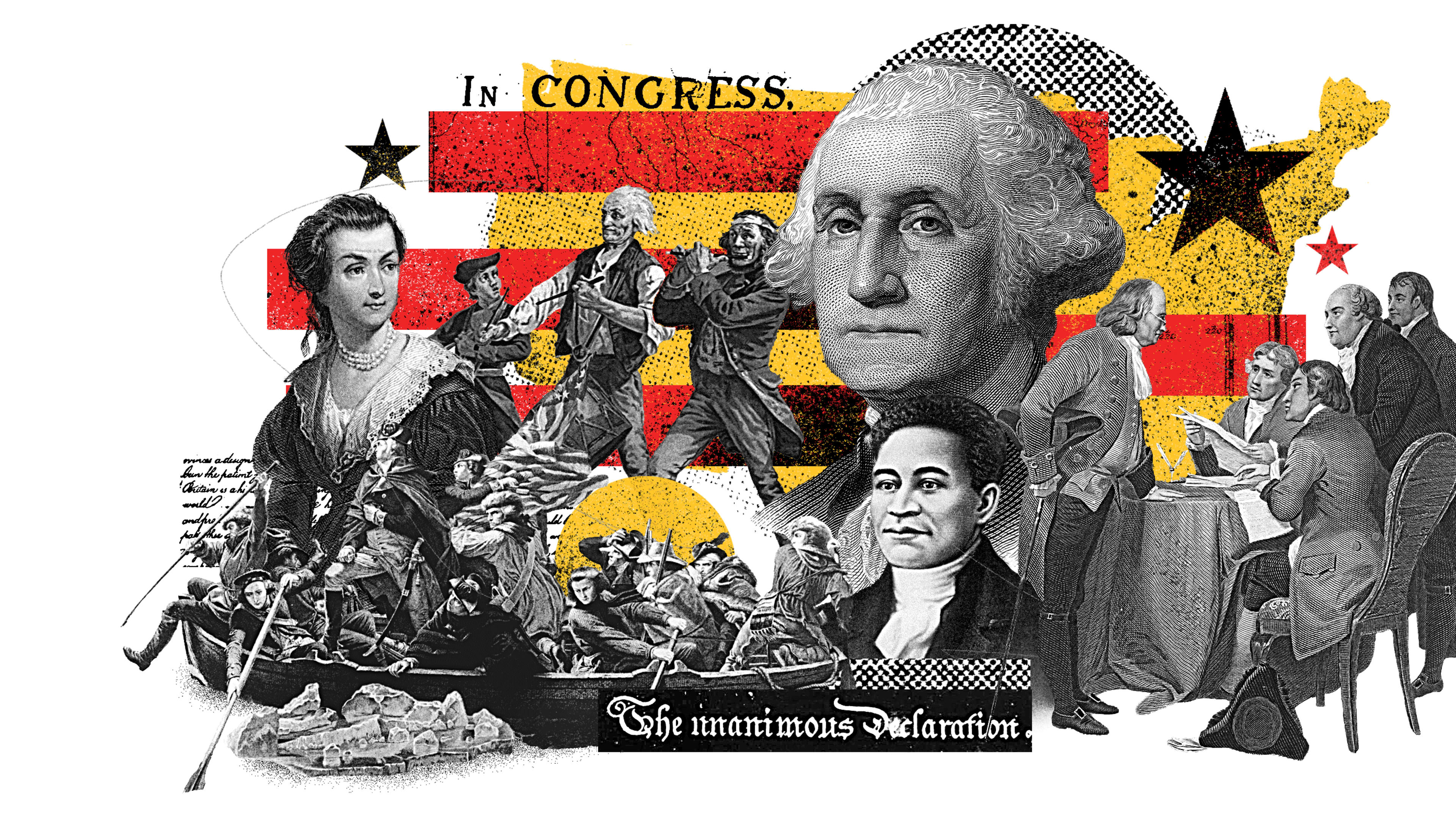
Arnold’s treason had a profound and lasting impact on the development of the United States. Psychologically, it acted as a unifying shockwave for the colonists. Before his betrayal, the revolutionary spirit was flagging; enlistments were down, and morale was low. The discovery that one of their greatest heroes was a traitor galvanized the public, transforming apathy into fierce patriotic resolve to prove that the cause was bigger than any single man.
Legally, the shock of Arnold’s betrayal directly influenced the framing of the United States Constitution. When the Founding Fathers gathered to draft the nation’s supreme law, they wanted to ensure that treason was defined very strictly to prevent political leaders from abusing the charge to silence rivals. Consequently, Article III, Section 3 of the Constitution defines treason narrowly—requiring the testimony of two witnesses to the same overt act, or a confession in open court—drawing a protective boundary born out of the memory of how close Arnold’s betrayal came to destroying the nation.
Why the Term “Benedict Arnold” Matters Today
Today, calling someone a “Benedict Arnold” is not merely a historical reference; it is a cultural shorthand for the ultimate violation of trust. Whether used in modern politics, sports, corporate environments, or personal relationships, the phrase evokes the painful sting of a close ally turning against their community for personal gain. It serves as a timeless reminder that while tactical brilliance and battlefield achievements can build a legendary legacy, a single compromised choice born of pride and resentment can erase a lifetime of honor, leaving nothing behind but an immortal name of infamy.
People Also Ask (FAQ)
What does it mean when someone calls you a Benedict Arnold?
Calling someone a “Benedict Arnold” means labeling them a traitor. It implies that the person has betrayed a country, a cause, a team, or a friend, particularly after having previously been a trusted, highly valued supporter or leader.
Did Benedict Arnold ever regret his betrayal?
While Arnold spent his remaining years in England defending his actions as an attempt to save the colonies from a costly, destructive war, contemporary letters and accounts suggest he lived his final years in bitter disappointment. He was isolated, financially unstable, and deeply frustrated by the lack of respect he received from both the British government and the public.
What happened to Peggy Shippen?
Peggy Shippen, Benedict Arnold’s wife, successfully played the part of an innocent bystander when the plot was exposed, convincing George Washington and his officers of her distress. However, historical evidence eventually revealed her active role as an intermediary between Arnold and Major André. She eventually joined her husband in England, where she lived until her death in 1804.
Conclusion: The Double-Edged Legacy of Saratoga’s Hero
Ultimately, Benedict Arnold remains one of the most tragic figures in American history. Had he died of his wounds at the Battle of Saratoga, monuments across the United States would stand in his honor, and he would be remembered alongside Lafayette, Knox, and Washington as a founding father of American liberty. Instead, his inability to master his own ego, coupled with a deep sense of resentment toward his peers, drove him to make a deal that permanently stained his name. He stands as a historical warning that the line between hero and villain is remarkably thin, and once crossed, it can never be uncrossed.


