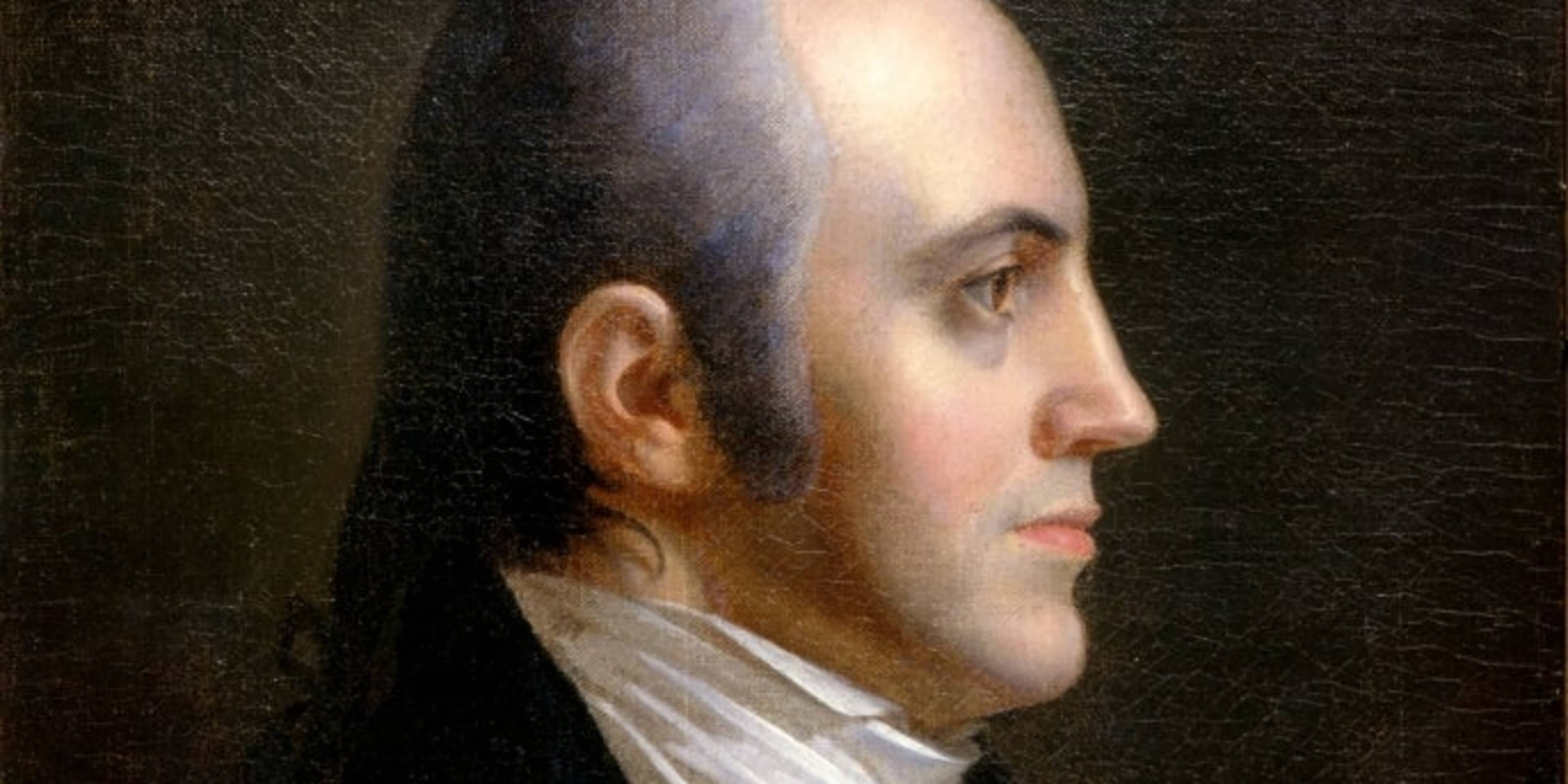
In the hot summer of 1807, the citizens of Richmond, Virginia, bore witness to one of the most sensational spectacles in early American jurisprudence: the treason trial of former Vice President Aaron Burr. Just years after his fateful duel with Alexander Hamilton, Burr found himself at the center of a geopolitical firestorm, accused of conspiring to sever the western territories of the United States to establish his own sovereign empire. This legal and political drama exposed the fragile underbelly of a young republic trying to define its borders, national identity, and legal standards. The trial remains a critical milestone in American history, not only for its high-stakes drama involving a former high-ranking official but also because it tested the constitutional definitions of treason and executive power. By examining the conspiracy, we gain a deeper understanding of how the young nation wrestled with internal dissent and external threats at a time when the federal government’s authority was still being actively defined and debated.
Historical Background: A Nation on the Edge
To understand the depth of the Burr conspiracy, one must look at the highly volatile state of the United States in the early 1800s. The 1803 Louisiana Purchase had doubled the size of the nation, but it also introduced massive administrative, political, and physical challenges. The newly acquired western frontier was vast, poorly mapped, and sparsely populated by American citizens. Many western settlers felt geographically and culturally isolated from the political elite in Washington, D.C., leading some to question whether their future lay within the United States or as part of a separate western confederacy.
At the same time, geopolitical tensions with Spain were at an all-time high. Spain still controlled Florida, Texas, and Mexico, and disputes over the exact borders of the Louisiana Purchase threatened to spark an open war. It was within this environment of political uncertainty and frontier ambition that Aaron Burr sought to rebuild his shattered career. After his vice-presidential term ended in March 1805, Burr was a political pariah. He had been dropped from the Democratic-Republican ticket by President Thomas Jefferson, and he faced murder indictments in multiple states due to his infamous duel. For a detailed look at his life after this event, one can read about what happened to Aaron Burr after he killed Alexander Hamilton in a duel to understand his desperate state of mind.
The Aaron Burr Conspiracy Timeline
The timeline of the conspiracy is a complex web of secret meetings, coded letters, and frontier expeditions spanning several years:
- July 11, 1804: Vice President Aaron Burr fatally shoots his political rival, Alexander Hamilton, in Weehawken, New Jersey, effectively ending his political future in the East.
- August 1804: Burr approaches British Minister Anthony Merry, offering to help Britain secure the secession of America’s western territories in exchange for financial and naval support.
- Spring 1805: Burr begins a grand tour of the western frontier, traveling down the Ohio and Mississippi Rivers. He recruits influential allies, including the wealthy Irish immigrant Harman Blennerhassett.
- Late 1805: Reports and rumors begin appearing in eastern newspapers, suggesting that Burr is planning a revolution or an invasion of Mexico.
- August 1806: Burr returns to the West, establishing a military staging ground on Blennerhassett Island in the Ohio River. Around this time, he sends a ciphered letter to General James Wilkinson detailing his plans.
- October 1806: General Wilkinson, realizing the plot is likely to fail and fearing for his own career, betrays Burr by sending an urgent warning to President Thomas Jefferson.
- November 27, 1806: President Jefferson issues a national proclamation declaring that a conspiracy is underway and ordering the arrest of all participants.
- December 1806: State militias raid Blennerhassett Island. Burr flees down the Mississippi River with a small group of fewer than 100 recruits.
- February 1807: Realizing he has been betrayed, Burr attempts to escape into Spanish territory but is captured near Mobile, Alabama.
- August 3, 1807: The trial of United States v. Aaron Burr officially begins in Richmond, Virginia, with Chief Justice John Marshall presiding.
- September 1, 1807: Burr is acquitted of treason due to a strict constitutional interpretation of the crime.
Key Players and Their Pivotal Roles
The treason trial of Aaron Burr featured a cast of characters that read like a who’s who of early American leadership, each driven by distinct motives:
Aaron Burr: The Enigmatic Mastermind
The centerpiece of the entire drama, Burr was highly intelligent, charismatic, and dangerously ambitious. Though he claimed his goals were purely peaceful colonization of the Bastrop Lands in Louisiana, his secret correspondence suggested he was preparing for a military invasion of Spanish-held Mexico or a separation of the Western states.
Thomas Jefferson: The Relentless Prosecutor
President Thomas Jefferson viewed Burr’s actions as an existential threat to the Union. Jefferson was so convinced of Burr’s guilt that he publicly declared him guilty before the trial even began. Jefferson actively directed the prosecution, using the full weight of the executive branch to secure a conviction.
General James Wilkinson: The Double-Dealing Informant
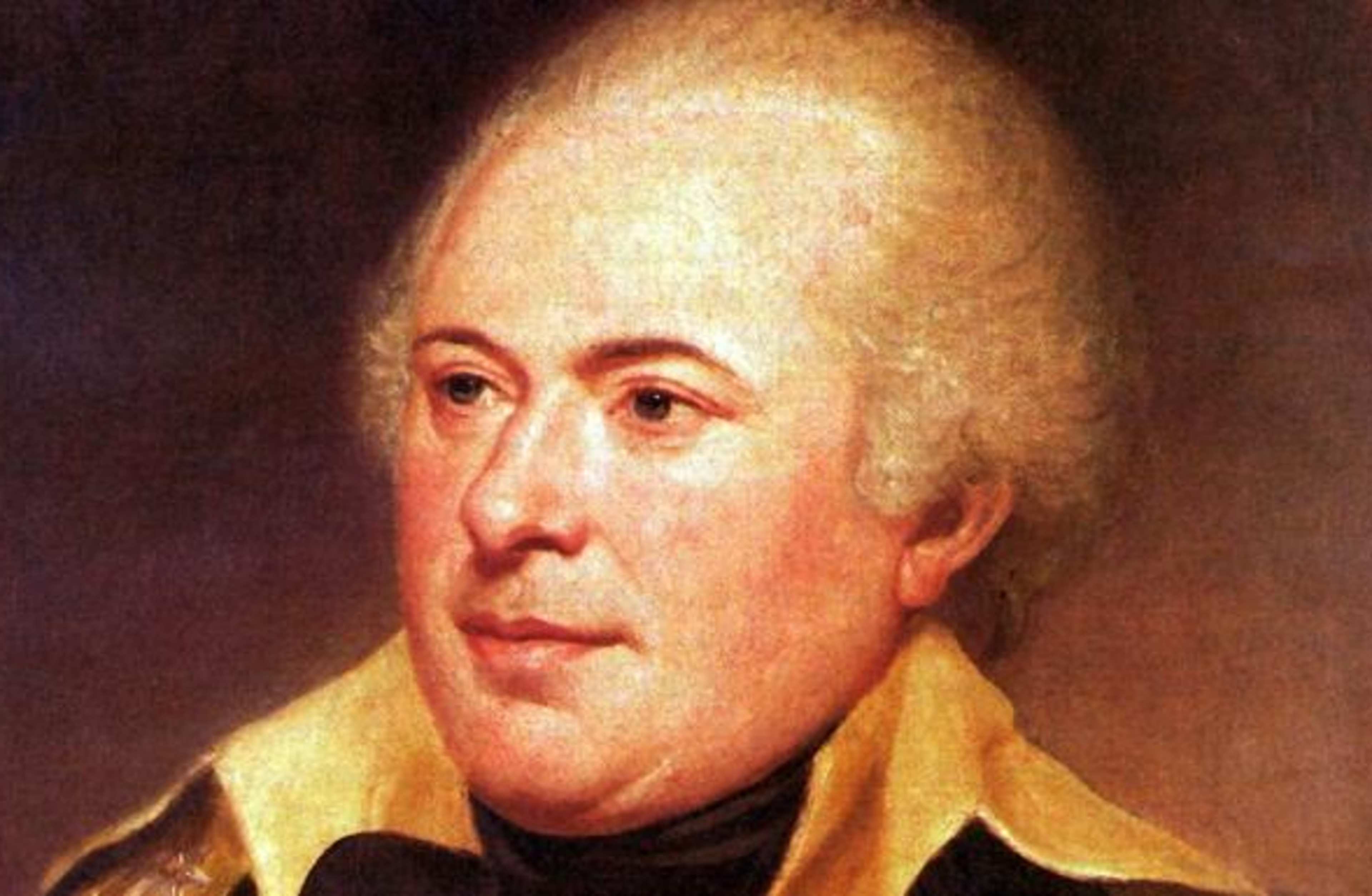
As the commanding general of the United States Army, Wilkinson was Burr’s most crucial co-conspirator. However, Wilkinson was also a highly corrupt opportunist who secretly received a pension from the Spanish crown. His decision to betray Burr and send the “cipher letter” to Jefferson was the catalyst that brought the conspiracy crashing down.
Chief Justice John Marshall: The Arbiter of Law
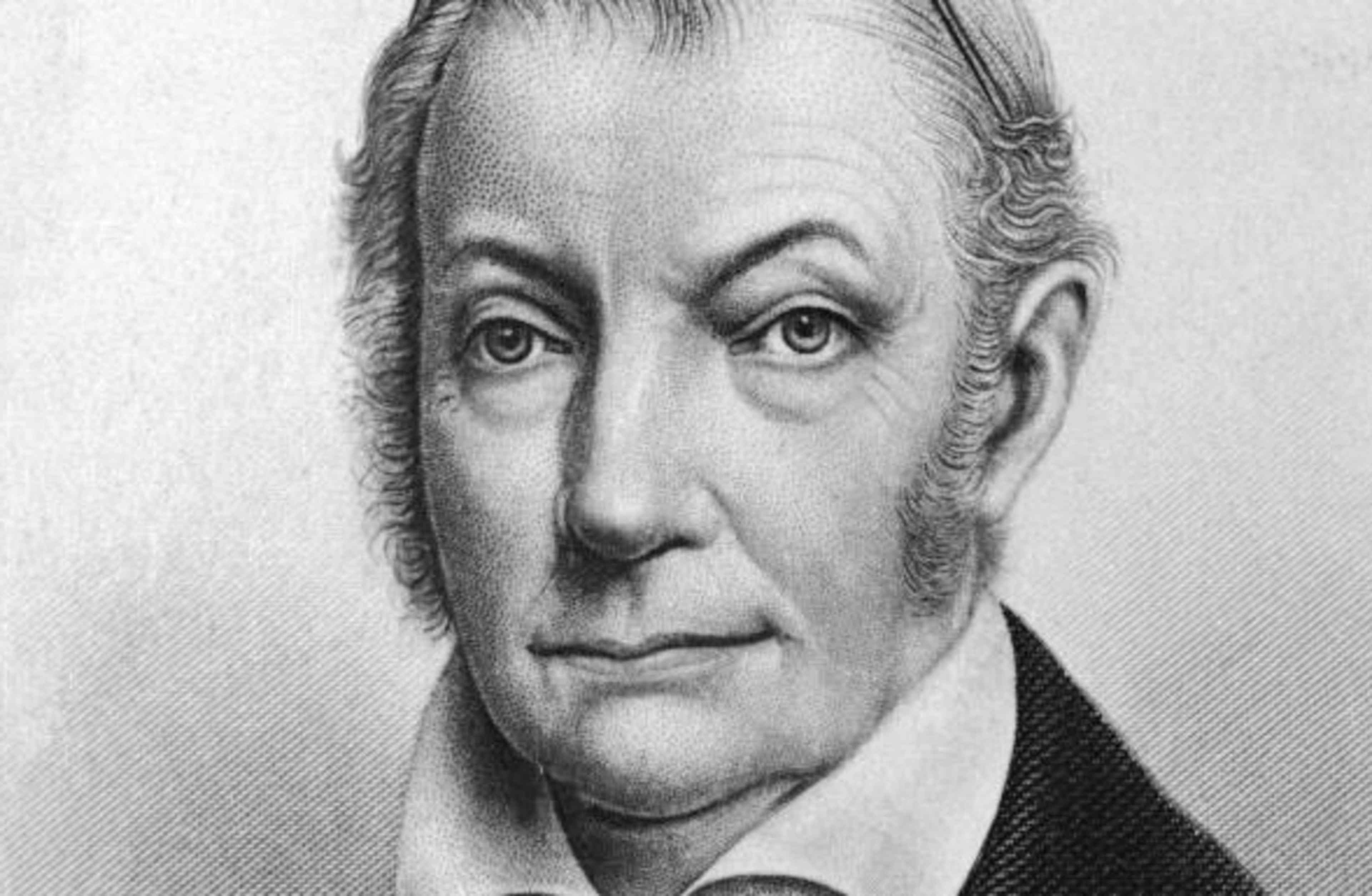
Presiding over the federal circuit court in Richmond, Chief Justice John Marshall was a political rival of Thomas Jefferson. Marshall’s dedication to the rule of law and strict constructionism ensured that the trial was conducted strictly according to the Constitution, regardless of political pressure from the White House.
Causes and Context: The Fragile Frontier
The Burr conspiracy was not merely the product of one man’s ambition; it was fueled by the structural vulnerabilities of the early United States. In the early 19th century, federal authority over the western territories was weak and contested. The Constitution had created a federal structure, but the practical execution of this structure was still being worked out. To understand this dynamic, it is useful to examine how the Founding Fathers divided power between states and federal governments, as this division was constantly tested on the lawless frontier.
Furthermore, many westerners felt that the federal government in Washington cared little for their economic interests, particularly regarding access to the Mississippi River and the port of New Orleans. This sense of alienation made the frontier a breeding ground for filibustering expeditions—private military campaigns aimed at conquering foreign territory without official government authorization. Burr exploited these grievances, promising wealth, land, and glory to anyone willing to follow him west.
Major Turning Points: Betrayal and the Definition of Treason
The conspiracy reached its first major turning point when General James Wilkinson realized that Burr’s plans were drawing too much public scrutiny. Fearing that he would be exposed as a traitor to both the United States and Spain, Wilkinson chose to sacrifice Burr. He heavily edited and decoded Burr’s cipher letter to make himself look like an innocent patriot warning the president, thereby initiating Burr’s downfall.
The second, and perhaps most significant, turning point occurred inside the Richmond courtroom. The prosecution argued that Burr had committed treason by organizing a conspiracy to levy war against the government. However, Burr’s defense team argued that under Article III, Section 3 of the Constitution, treason requires an “overt act” of war in which the accused was physically present. Since Burr was hundreds of miles away when his men gathered on Blennerhassett Island, Chief Justice John Marshall ruled that the prosecution had failed to establish an overt act of treason. This legal ruling effectively destroyed the government’s case and led to Burr’s acquittal.
Long-Term Impact on America
The acquittal of Aaron Burr had profound constitutional and political consequences that shaped the development of the American legal system. By establishing a high bar for treason convictions, John Marshall ensured that future administrations could not use treason charges as a political tool to suppress domestic opposition or destroy political rivals. In many European nations at the time, “constructive treason” allowed governments to execute political dissidents simply for speaking out or planning protests; Marshall’s ruling firmly closed that door in the United States.
The trial also marked an early confrontation over executive privilege. During the trial, Marshall issued a subpoena demanding that President Jefferson hand over certain letters and documents, including Wilkinson’s original reports. Jefferson refused to appear in court, claiming that the president had an independent duty that prevented him from being subjected to the whims of the judiciary. This set an enduring precedent regarding the limits of executive compliance with judicial demands, a debate that continues to this day.
Lesser-Known Facts About the Conspiracy
- Wilkinson’s Secret Codename: General James Wilkinson, who held the highest rank in the U.S. Army, was secretly known as “Agent 13” in Spanish intelligence reports. He was actively receiving payments from the Spanish government to protect their interests while simultaneously commanding American forces.
- The Doctored Cipher Letter: During the trial, the defense successfully proved that Wilkinson had altered the translation of Burr’s cipher letter. Wilkinson had erased sentences and changed key phrases to hide his own deep involvement in the planning stages of the conspiracy.
- A Dueling Legacy: Burr’s legal defense was indirectly aided by his past. Despite the negative reputation of his duel, many of Burr’s legal allies were also close associates of the late Alexander Hamilton. They put aside their past grievances to defend the rule of law, recognizing that a government-led political prosecution posed a threat to all citizens. For more on Hamilton’s life, you can explore several fascinating facts about Alexander Hamilton.
Why It Still Matters Today
The legacy of the Aaron Burr treason trial remains highly relevant in the modern era. It stands as a powerful reminder of the delicate balance between national security and civil liberties. In times of national crisis, governments are often tempted to stretch legal definitions to prosecute individuals deemed threatful to the state. The strict definition of treason established in 1807 protects modern citizens from political persecution, ensuring that the highest crime against the nation cannot be easily weaponized.
Additionally, the trial highlights the historical roots of political polarization and executive overreach. Jefferson’s actions during the trial, including his public declaration of Burr’s guilt before a verdict was reached, echo contemporary debates about the presumption of innocence and the separation of powers. The case serves as an enduring testament to the strength of the judicial branch in standing up to executive pressure to protect constitutional rights.
People Also Ask
What was Aaron Burr accused of?
Aaron Burr was accused of treason against the United States. Specifically, the government alleged that he was conspiring to levy war against the nation by recruiting a private army to either conquer Spanish territory in Mexico or separate the western states and territories from the Union to form a new empire.
Why was Aaron Burr acquitted of treason?
Burr was acquitted because Chief Justice John Marshall ruled that under the U.S. Constitution, treason requires an “overt act” of war in which the defendant was physically present. Because Burr was not present when his recruits assembled on Blennerhassett Island, the prosecution could not prove an overt act of levying war as strictly defined by law.
What happened to Aaron Burr after the trial?
Although he was acquitted, Burr’s political career and social standing were permanently destroyed. He was widely hated and burned in effigy across the country. He fled to Europe for several years to escape creditors and potential legal actions, eventually returning to New York in 1812 to quietly practice law until his death in 1836.
Conclusion
The Aaron Burr treason trial was far more than a personal battle between a disgraced politician and an angry president. It was a foundational test for the young United States, forcing the nation to define the limits of executive power, the rights of the accused, and the legal definition of treason itself. In refusing to bend the law to convict a widely unpopular figure, Chief Justice John Marshall secured a vital victory for civil liberties and the separation of powers, ensuring that the Constitution remained a shield for individual rights even in times of intense national anxiety.


