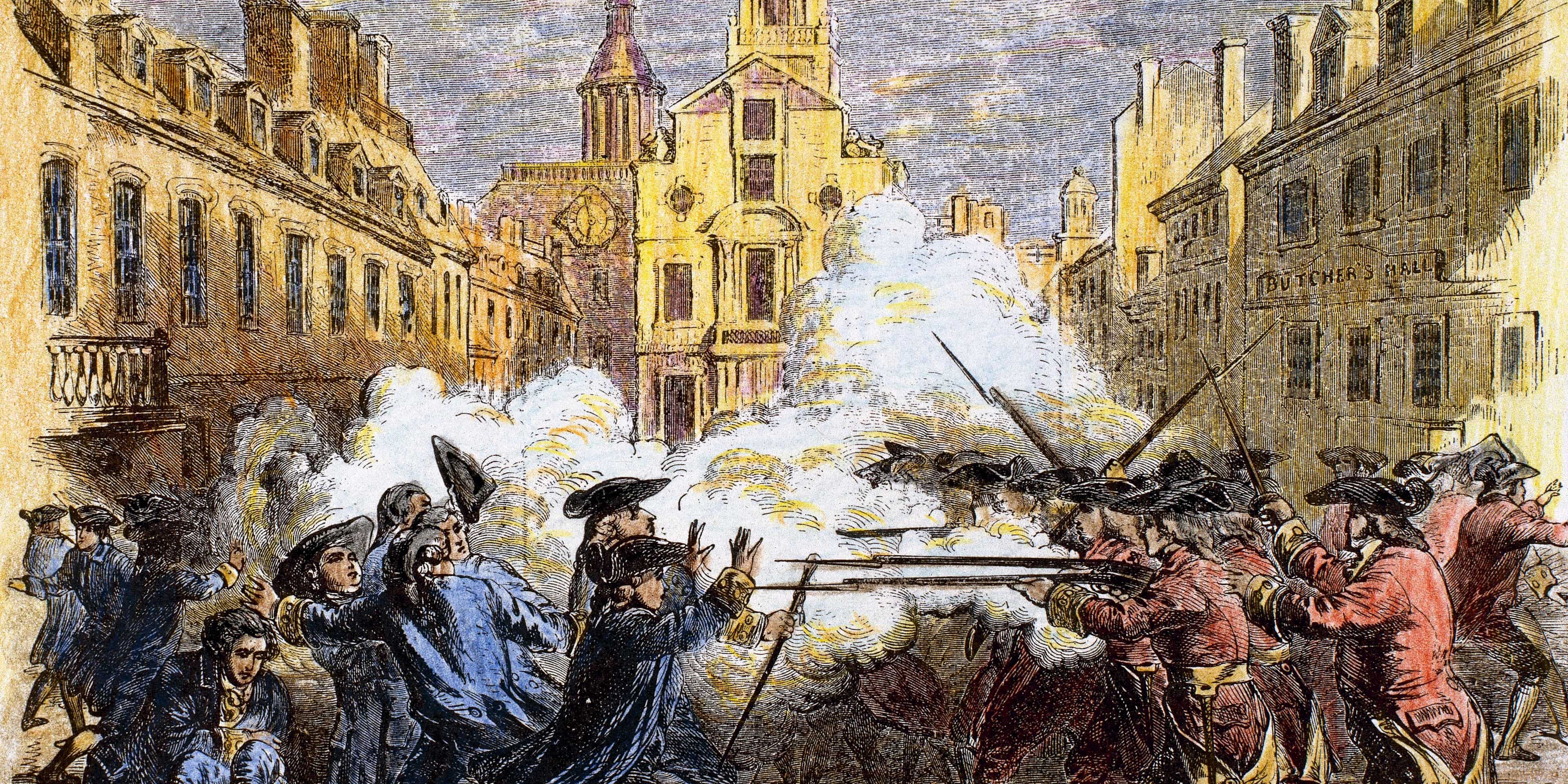
The Boston Massacre stands as one of the most pivotal and highly charged moments in the narrative of early America, serving as the violent spark that ignited the flames of the American Revolution. On the freezing night of March 5, 1770, the tension that had been simmering for years between the citizens of Boston and the occupying British military finally boiled over on King Street. What began as a petty dispute between a lone sentry and a small group of colonists rapidly escalated into a chaotic and bloody clash, leaving five civilians dead on the snow-slicked cobblestones. This tragic encounter was not merely a localized street brawl; it was a profound clash of ideologies, representing the deep-seated frustration of a people who felt systematically oppressed by the British Crown. The event was immediately seized upon by colonial radicals, who transformed it into a powerful symbol of British tyranny, fundamentally shifting public opinion and setting the thirteen colonies on an irreversible path toward independence. Understanding the nuances, key figures, and long-term implications of this historic night is essential for appreciating how local grievances can reshape the destiny of an entire nation.
Historical Background: A Powder Keg in Colonial Boston
By the dawn of 1770, the city of Boston was a hotbed of political agitation and deep-seated resentment. Under the grip of British imperial policy, the city’s 16,000 residents were forced to live alongside more than 2,000 British soldiers, who had been sent to enforce unpopular tax measures like the Stamp Act and the Townshend Acts. The presence of these troops was a constant, irritating reminder of the Crown’s authority, felt acutely in everyday life. The colonists, fiercely clinging to their English constitutional rights, rallied around the legendary cry of ‘no taxation without representation,’ asserting that Parliament had no right to levy taxes on communities that lacked voice or vote in London.
To make matters worse, the economic landscape of Boston was highly precarious. British soldiers, poorly paid by the Crown, often sought part-time jobs during their off-duty hours, directly competing with working-class Bostonians for scarce employment. This economic friction, combined with the political heavy-handedness of the occupation, created an atmosphere ripe for conflict. Boston was one of the key hubs of resistance, showing how colonial towns shaped American history by acting as incubators of revolutionary thought long before the first shots of the war were fired.
A Chronological Timeline: The Path to March 5, 1770
To fully understand how the Boston Massacre unfolded, one must examine the chain of escalating incidents that occurred in the weeks leading up to the tragedy:
- 1767: The British Parliament passes the Townshend Acts, imposing duties on imported glass, lead, paint, paper, and tea, prompting colonial boycotts and unrest.
- October 1768: British troops arrive in Boston to restore order and enforce customs laws, beginning a tense military occupation.
- February 22, 1770: A mob of patriots attacks the shop of a known Loyalist merchant. Customs official Ebenezer Richardson fires a warning shot through his window, accidentally striking and killing 11-year-old Christopher Seider. The boy’s funeral becomes a massive public demonstration of grief and anger.
- March 2, 1770: A massive brawl breaks out at John Gray’s ropewalk between off-duty British soldiers and local rope makers, leaving several men injured and amplifying the mutual hatred.
- March 5, 1770 (Early Evening): A dispute arises between a young wigmaker’s apprentice and a British officer regarding an unpaid bill, drawing a hostile crowd around the sentry at the Custom House.
- March 5, 1770 (Late Evening): Shots are fired into the crowd, leaving three dead instantly and two mortally wounded.
- March 6, 1770: Captain Thomas Preston and his soldiers are arrested and transferred to a local jail to await trial.
The Night of March 5, 1770: Deconstructing the Riot
The fateful confrontation began quietly on the bitterly cold night of March 5, on King Street, in front of the Custom House—the building that held the King’s tax revenues. Private Hugh White was the lone sentry on duty, standing guard in the snow. Tension spiked when Edward Garrick, a young apprentice, publicly accused British Captain-Lieutenant John Goldfinch of failing to pay his bill to a local barber. Though Goldfinch ignored the taunt, Private White intervened, defending his officer. The verbal sparring escalated until White struck Garrick on the side of the head with his musket.
News of the altercation spread like wildfire through Boston’s taverns and alleyways. Angry colonists gathered at the scene, hurling insults, snowballs, chunks of ice, and sharp oyster shells at the isolated sentry. As the crowd swelled, local church bells began to toll—a traditional alarm signaling a fire. Believing a fire had broken out, hundreds of men rushed into the streets, carrying buckets and clubs, only to find themselves drawn into a chaotic, screaming confrontation on King Street.
Feeling physically threatened and fearing that the mob would storm the Custom House to seize the Crown’s money, Private White retreated to the steps and called for help. In response, Captain Thomas Preston led a relief squad of six soldiers—Corporal William Wemyss and Privates Hugh Montgomery, Matthew Kilroy, William Warren, John Carroll, and William McCauley—to reinforce White. Preston’s men formed a semi-circle in front of the Custom House, bayonets fixed, facing an increasingly aggressive, weapon-wielding crowd.
The Fateful Shots and the Falling Victims
As the crowd pressed closer, daring the soldiers to pull their triggers, some protestors struck the soldiers’ weapons with clubs. Amidst the deafening noise, chaos, and confusion, someone struck Private Hugh Montgomery with a wooden club, knocking him to the icy ground. Upon recovering his feet, Montgomery fired his musket into the crowd. Seconds later, other soldiers, caught in panic and confusion, also discharged their weapons, despite Preston’s reported orders to hold their fire.
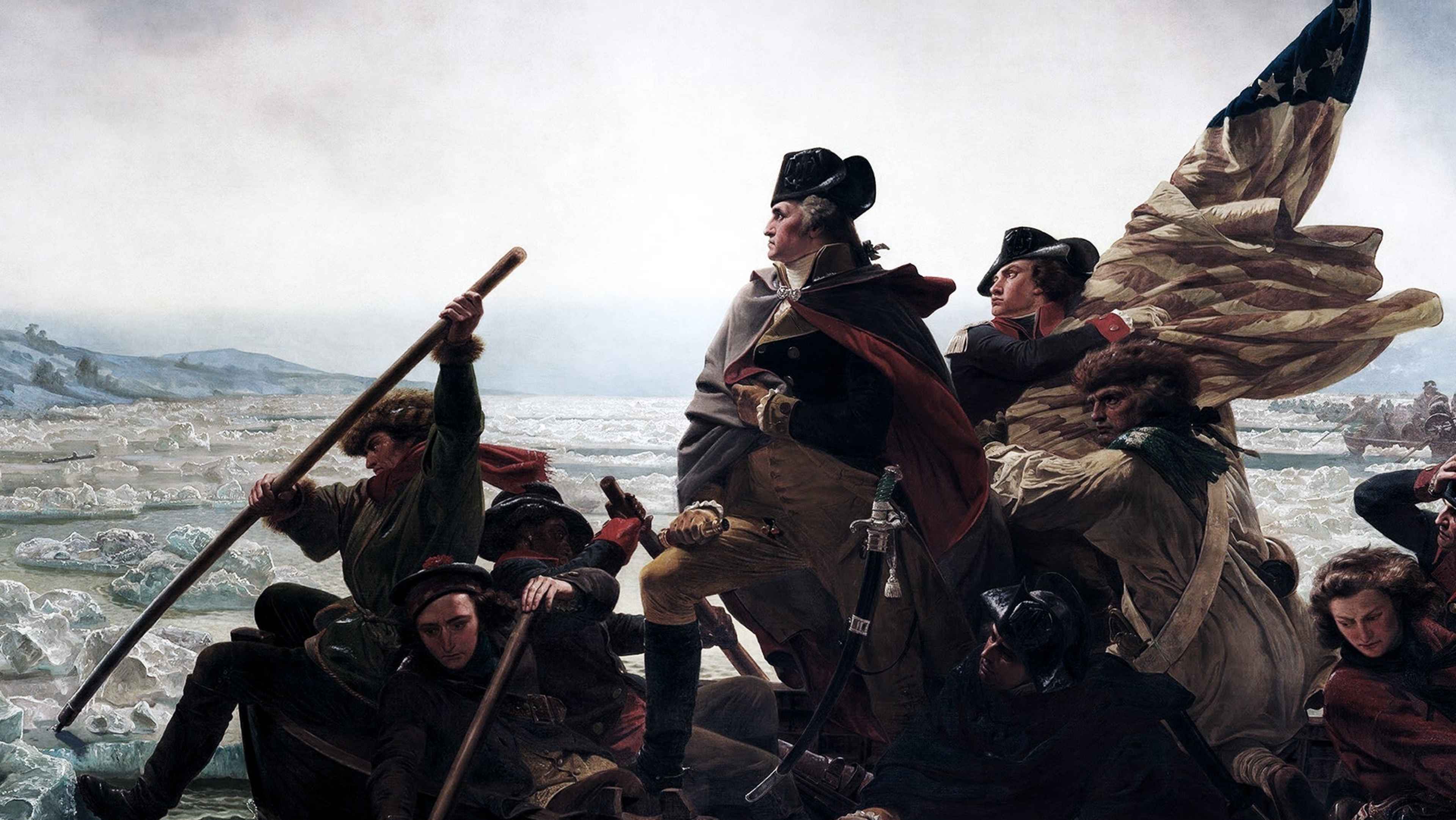
When the smoke cleared, five colonists lay dying or mortally wounded. The first to fall was Crispus Attucks, a dockworker of African and Native American descent, who was struck by two balls in the chest. Attucks is widely remembered as the first casualty of the American Revolution. Beside him lay Samuel Gray, a rope maker whose skull was shattered by a bullet, and James Caldwell, a young sailor. Two others, Samuel Maverick and Patrick Carr, succumbed to their wounds in the days that followed. Six other colonists were wounded but survived.
The Role of Propaganda and the Sons of Liberty
The aftermath of the Boston Massacre became a fierce war of words and imagery. Radicals within the Sons of Liberty, led by Samuel Adams and John Hancock, recognized the incident as a potent tool to unite the colonies against British rule. They immediately dubbed the tragedy a ‘bloody massacre’ to imply that innocent, peaceful citizens had been coldbloodedly slaughtered by ruthless mercenaries.
To spread this narrative, local artist Henry Pelham created a highly dramatic illustration of the event, which was quickly copied and engraved by Paul Revere. Revere’s famous print depicted the British soldiers standing in an organized, smiling line, firing a coordinated volley into a defenseless, gentlemanly crowd under the direct command of a sneering Captain Preston. This highly inaccurate depiction served as a powerful piece of propaganda, circulated widely across the 13 colonies, deeply shifting public sentiment against the British occupation. This rapid spread of revolutionary messaging was further assisted by local figures, acting much like how town criers served as early social media to spread news and rally communities.
The Trial of the Century: John Adams’ Defense
In the wake of the tragedy, the royal governor, Thomas Hutchinson, quickly defused the immediate threat of a full-scale rebellion by ordering British troops to withdraw from the city center to Castle Island (Fort William) in Boston Harbor. Captain Preston and his eight soldiers were arrested and charged with murder.
Finding a lawyer willing to defend the hated Redcoats proved exceptionally difficult. Ultimately, John Adams, a brilliant young lawyer and future President of the United States, agreed to take the case. Though Adams was a staunch critic of British tax policies, he believed passionately in the rule of law and the right of every individual to a fair trial. He knew that if the colonists executed the soldiers in a kangaroo court, it would validate British claims that the colonists were lawless barbarians.
To ensure an unbiased verdict, Adams successfully argued to seat a jury comprised entirely of non-Bostonians. During the trials, which took place in late 1770, Adams argued that the soldiers were trapped in a chaotic, life-threatening situation, surrounded by a hostile mob that was actively attacking them. He famously stated, ‘Facts are stubborn things; and whatever may be our wishes, our inclinations, or the dictates of our passion, they cannot alter the state of facts and evidence.’
Adams’ defense was highly successful. Captain Preston was acquitted after the jury found no conclusive evidence that he had ordered his men to fire. Of the eight soldiers, six were fully acquitted on the grounds of self-defense. The remaining two, Hugh Montgomery and Matthew Kilroy—the soldiers who had fired first—were found guilty of the lesser charge of manslaughter. They avoided the death penalty by invoking ‘benefit of clergy,’ a legal loophole that allowed them to be branded on their thumbs with the letter ‘M’ (for manslaughter) and released.
Lesser-Known Facts About the Boston Massacre
Beyond the standard historical accounts, several intriguing details highlight the complexity of the Boston Massacre:
- The Real First Martyr: While Crispus Attucks is honored as the first adult to die in the revolutionary cause, 11-year-old Christopher Seider, killed by a loyalist customs informant just ten days earlier on February 22, was viewed by contemporaries as the true first martyr of the pre-revolutionary struggle.
- The Fire Bell Trap: On the night of March 5, the town’s fire bells were rung intentionally by patriots. In the 18th century, a ringing fire bell required every able-bodied man to rush into the streets with buckets of water. This clever ruse was used to rapidly draw a large, agitated crowd directly to the Custom House.
- Revere’s Artistic Piracy: Paul Revere did not actually draw the famous engraving of the Boston Massacre. He copied the design from a local artist named Henry Pelham. Pelham wrote an angry letter to Revere accusing him of behaving dishonorably, but Revere had already printed and distributed the plates, securing his place in history as the creator of the iconic image.
Why the Boston Massacre Matters Today
More than two and a half centuries later, the Boston Massacre remains a vital lesson in the power of public perception, the media, and the rule of law. It highlights how quickly civil unrest can turn lethal when communication breaks down and military forces are used for domestic policing. In an era dominated by viral media, misinformation, and conflicting narratives, the struggle over ‘who controls the narrative’—epitomized by Paul Revere’s biased engraving versus the documented legal facts of the trial—feels incredibly modern. Furthermore, John Adams’ decision to defend the soldiers stands as a cornerstone of the American legal tradition, establishing that justice must transcend political tribalism and emotional outrage.
People Also Ask (PAA)
What actually caused the Boston Massacre?
The massacre was caused by long-term tensions over the British military occupation of Boston, economic competition between off-duty soldiers and local workers, and the enforcement of the unpopular Townshend Acts. The immediate trigger was a minor dispute between a sentry and a young apprentice that quickly escalated into a riot.
Who was Crispus Attucks, and why is he significant?
Crispus Attucks was a dockworker and sailor of African and Native American ancestry. He was the first person killed during the Boston Massacre, making him the first casualty of the American struggle for independence and an enduring symbol of black patriotism and sacrifice.
Why did John Adams defend the British soldiers?
John Adams defended the soldiers because he believed deeply in the right to a fair trial and the supremacy of the rule of law. He wanted to demonstrate to Great Britain and the world that the American colonies were civilized, just, and governed by law rather than mob rule.
Conclusion
The Boston Massacre of March 5, 1770, was a defining turning point that transformed a localized colonial protest into a unified fight for liberty. By laying bare the deadly consequences of military occupation and imperial taxation, the tragedy cemented a shared sense of American identity and resistance. Today, a simple cobblestone ring at the intersection of State and Congress Streets in Boston marks the spot where blood was spilled, reminding us of the high cost of freedom, the fragility of peace, and the timeless importance of justice and truth.


