Long before the first shots were fired at Lexington and Concord, a quiet revolution was already taking shape across the dusty roads and crowded taverns of early America. The Committees of Correspondence served as the shadow governments and communication lifelines of the thirteen colonies, transforming isolated provincial protests into a unified, continental movement. Operating as an underground network of patriotic resistance, these committees bypassed British colonial authority to coordinate boycotts, share vital political intelligence, and build the intellectual foundations of the American Revolution. Without this highly organized web of letter-writers and express riders, the colonies would likely have remained divided, weak, and easily subdued by the British Crown. Understanding the rise of these committees reveals how a disparate group of colonial merchants, farmers, and lawyers forged a shared national identity long before declaring independence.
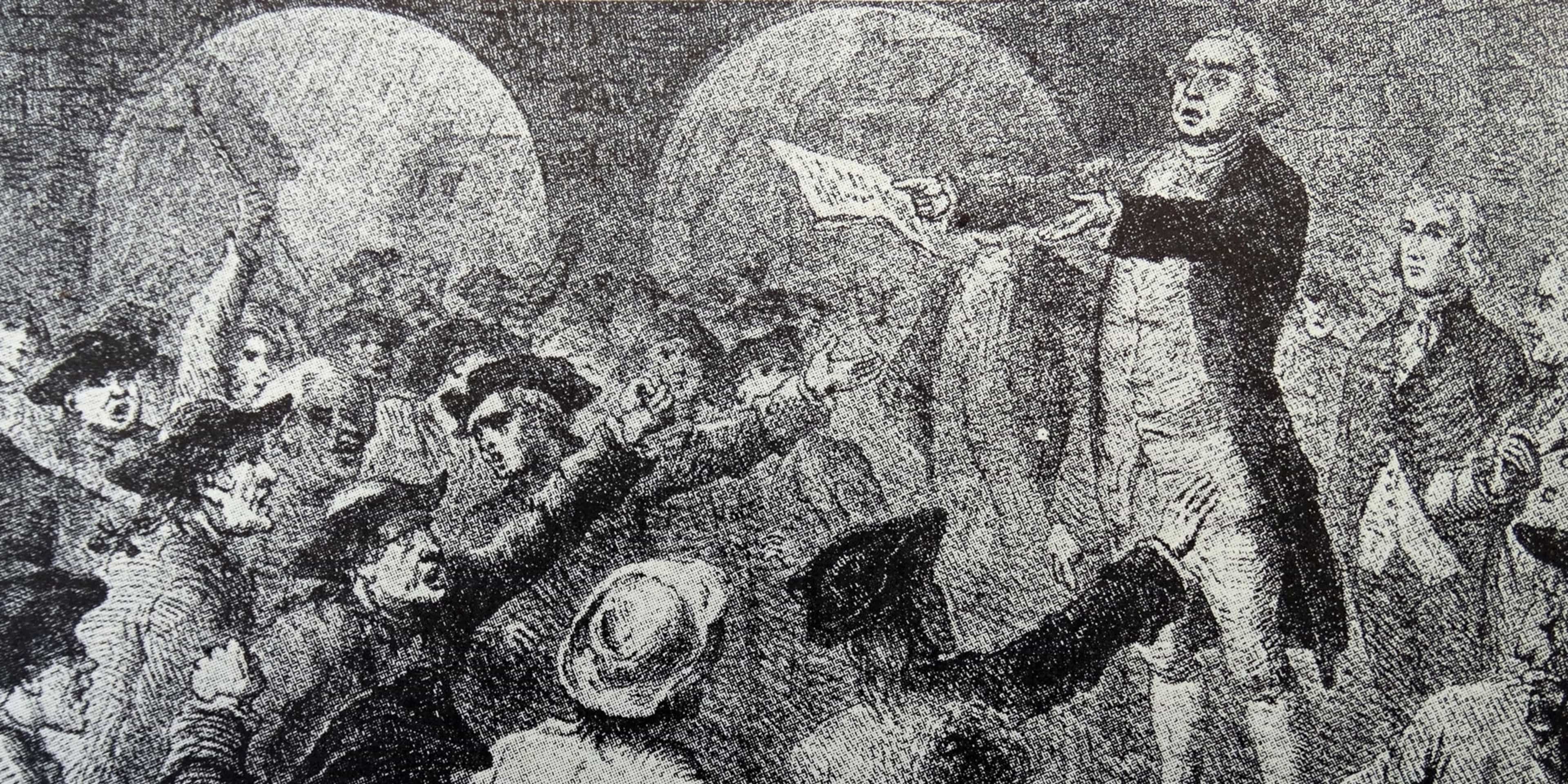
To understand why the Committees of Correspondence were necessary, one must look back to the aftermath of the French and Indian War in 1763. For generations, the British Empire practiced a policy known as salutary neglect, leaving the American colonies largely to govern and tax themselves. However, the costly war against France left Great Britain with staggering debts. King George III and his Parliament decided that the colonists should help foot the bill. This sudden shift in policy sparked immediate outrage, setting off a chain reaction of restrictive acts and taxes. The Stamp Act, the Townshend Acts, and the Sugar Act were met with fierce resistance. In response, local patriots realized they needed a structured way to share ideas and coordinate resistance. Initially, temporary committees were established in major hubs like Boston and New York during the 1760s. These early iterations were designed to dissolve once a specific grievance was resolved, but as British policies grew increasingly oppressive, the need for a permanent, inter-colonial communications network became painfully clear.
Causes and Context of the Colonial Union
The direct catalyst for the permanent Committees of Correspondence was the British government’s attempt to strip the colonies of their political autonomy. In 1772, news reached Massachusetts that the Crown would begin paying the salaries of the royal governor, judges, and other high officials directly, bypassing the colonial legislatures. This move threatened to turn local courts and administrators into puppets of King George III. Realizing that fair trials and legislative independence were at stake, Samuel Adams stepped forward. At a Boston town meeting in November 1772, Adams proposed the creation of a permanent Boston Committee of Correspondence. This group was tasked with writing a statement of the rights of the colonists, detailing their grievances, and sending these documents to other towns throughout Massachusetts to elicit responses.
Simultaneously, the fallout from the Gaspee Affair—where Rhode Island patriots burned a British customs ship—heightened fears of British overreach. When the Crown threatened to send the perpetrators to England for trial, the Virginia House of Burgesses stepped in, forming its own inter-colonial committee in March 1773 to unite resistance across provincial lines and ensure that an attack on one colony was treated as an attack on all.
Key Events Timeline
The rise of the Committees of Correspondence followed a dramatic series of colonial confrontations:
- 1764: Parliament passes the Sugar Act and the Currency Act. In response, early, temporary committees of correspondence are established in Massachusetts and New York to protest the laws and organize initial boycotts.
- 1765: The Stamp Act crisis ignites widespread colonial anger. Local committees coordinate with the Sons of Liberty to boycott British goods, forcing Parliament to repeal the act in 1766.
- June 1772: The Gaspee Affair occurs in Rhode Island. Angry colonists board and burn the British customs schooner HMS Gaspee, leading to a Royal Commission of Inquiry that bypasses local judicial authority.
- November 1772: Samuel Adams and other Boston patriots establish the first permanent Boston Committee of Correspondence, creating a model for local towns to replicate.
- March 1773: The Virginia House of Burgesses forms the first permanent inter-colonial committee, establishing a direct channel of communication among the 13 colonies.
- December 1773: The Boston Tea Party occurs. The Boston Committee of Correspondence acts as the central hub organizing the protest and spreading the news of the event throughout the colonies.
- Spring 1774: Parliament passes the Coercive Acts (Intolerable Acts). Rather than isolating Massachusetts, the committees coordinate relief efforts and generate calls for a unified colonial response.
- September 1774: The First Continental Congress convenes in Philadelphia. The vast majority of the delegates are selected directly by, or with the help of, the local Committees of Correspondence.
- April 1775: The Battles of Lexington and Concord mark the outbreak of armed conflict. The committees transition into Committees of Safety, becoming the de facto revolutionary governments of the newly formed states.
Important Figures and Their Roles
Several key figures were instrumental in the success of this communication network:
- Samuel Adams: Often called the “Father of the American Revolution,” Adams was the genius behind the Boston Committee of Correspondence. He realized that a revolution required not just passion, but structure, organization, and a shared flow of information to keep the spirit of liberty alive.
- Thomas Jefferson: As a young and passionate member of the Virginia House of Burgesses, Jefferson helped draft the resolution creating Virginia’s inter-colonial committee. He understood that local resistance was useless without inter-colonial unity.
- Patrick Henry: Famous for his oratorical fire, Henry worked closely with Jefferson in Virginia to ensure that the southern colonies remained actively connected to the resistance movements in New England.
- Paul Revere: While history remembers him for his “midnight ride,” Revere was primarily a tireless express rider for the Boston Committee of Correspondence. For years, he rode hundreds of miles between Boston, New York, and Philadelphia, delivering vital revolutionary correspondence.
How the Network Bypassed Colonial Constraints
In the 18th century, spreading news across vast distances was an immense challenge. Before the committees, colonists relied on slow mail carriers, regional travelers, or local town criers who could only broadcast information within their immediate municipal limits. The Committees of Correspondence bypassed these limitations by hiring their own private express couriers, using secret codes, and publishing their letters in sympathetic colonial newspapers. By taking control of the narrative, the committees successfully countered British propaganda, exposed the abuses of royal governors, and ensured that patriotic sentiment was constantly fueled with up-to-date and accurate information.
Major Turning Points
Two major turning points solidified the role of the Committees of Correspondence as the true backbone of the Revolution. The first was the creation of the inter-colonial system in 1773. Before this, committees operated locally and temporarily. By establishing a permanent network across colony borders, Virginia and Massachusetts built an unprecedented “social media” system of the 18th century, allowing news of British oppression to travel from Boston to Savannah in a matter of days.
The second turning point was the passage of the Intolerable Acts in 1774. Intended by the British to punish Boston and terrify the other colonies into submission, the acts had the opposite effect. The Committees of Correspondence sprang into action, coordinating a massive relief effort. Towns from Connecticut to Georgia sent food, money, and supplies to blockaded Boston, proving that the colonies were no longer acting as isolated entities but as a single, united nation.
Long-Term Impact on America
The legacy of the Committees of Correspondence cannot be overstated. They were the direct precursors to the Continental Congress, which would eventually draft the Declaration of Independence. By establishing a system where separate colonies cooperated, debated, and made decisions together, they created the foundational blueprint for American federalism. Furthermore, they taught ordinary citizens the power of grassroots organizing, showing how collective action and free communication could challenge even the most powerful empire on Earth.
Lesser-Known Facts
- The Secret Code of the Couriers: To protect their letters from being intercepted by British authorities, the committees often utilized invisible ink, cipher keys, and complex codes. Couriers were instructed to destroy their saddlebags or swallow written messages if they were in danger of being captured.
- A Massive Grassroots Membership: By late 1774, eleven of the thirteen colonies had official inter-colonial committees, and the total membership of local town committees grew to over 7,000 citizens. This represented a substantial portion of the politically active population, making it one of the largest coordinated grassroots networks in world history up to that point.
- The Women’s Networks: While formal committee roles were held by men, colonial women—such as Mercy Otis Warren—played an indispensable role. Warren was a prolific writer and historian who corresponded frequently with top leaders, using her sharp political satire and poetry to spread anti-British sentiment throughout the colonies.
Why It Still Matters Today
In the digital age, the Committees of Correspondence remain highly relevant. They are a historical reminder that communication is the ultimate catalyst for political change. Just as modern activist movements utilize social media platforms to coordinate global protests, bypass state censorship, and build communities, the American patriots utilized the technology of their era—pen, paper, and horses—to achieve the exact same goals. They prove that a well-organized network of dedicated individuals, armed with a shared vision and reliable information, can change the course of human history.
People Also Ask
What was the main purpose of the Committees of Correspondence?
The main purpose was to establish a secure, rapid communication network among the thirteen colonies. This allowed patriots to share news of British policies, coordinate unified boycotts, build political consensus, and mobilize collective resistance against British imperial rule.
Who started the Committees of Correspondence?
While early temporary committees existed in the 1760s, Samuel Adams is credited with establishing the first permanent local committee in Boston in November 1772. Shortly after, in March 1773, the Virginia House of Burgesses, led by figures like Thomas Jefferson and Patrick Henry, established the first inter-colonial network.
How did the Committees of Correspondence lead to the American Revolution?
They united the previously isolated colonies under a common political cause, dismantled the authority of royal governors at the local level, coordinated protests like the Boston Tea Party, and successfully organized the First Continental Congress, which paved the way for the war and independence.
Conclusion
The Committees of Correspondence were far more than a simple mailing list; they were the nervous system of the American Revolution. By linking isolated towns and disparate colonies together, they fostered a sense of unity and shared destiny that did not exist before. When the revolutionary fires finally ignited in April 1775, the infrastructure built by Samuel Adams, Thomas Jefferson, and thousands of unsung colonial writers ensured that America was ready to stand, fight, and govern itself as a united nation.


