For centuries, one of the most chilling allegations in early American history has been the deliberate distribution of infected blankets to Native Americans as a crude form of biological warfare. This harrowing event, rooted in the brutal conflicts of the 18th century, continues to evoke deep emotional and historical debates. While the devastating impact of European diseases on Indigenous populations is well-documented, the question of whether British military officials and colonists intentionally weaponized smallpox remains a pivotal case study in the dark realities of frontier warfare. Understanding this dark chapter is not just about dissecting a tactical decision, but also about exploring the systemic trauma and survival of Native nations who faced both military aggression and invisible pathogens during the expansion of European empires in North America.
Historical Background: Pontiac’s War and the Clashing of Empires
To understand the context of this biological attack, one must look back to the aftermath of the French and Indian War (1754–1763). With the signing of the Treaty of Paris in 1763, France ceded its vast North American territories east of the Mississippi River to Great Britain. This geopolitical shift was catastrophic for the Indigenous nations who had allied with the French. Unlike French traders, who maintained diplomatic alliances through gift-giving and respect for land boundaries, British authorities under Commander-in-Chief Sir Jeffery Amherst treated Native Americans with open disdain. British policies restricted trade goods, cut off supplies of gunpowder and ammunition essential for hunting, and ignored treaties, sparking a massive influx of Anglo-American settlers from the original 13 colonies pushing westward.
In response to these broken promises, an Ottawa visionary leader named Chief Pontiac united a powerful confederation of tribes—including the Delaware (Lenape), Shawnee, Wyandot, and Mingo—in an armed uprising known as Pontiac’s War (or Pontiac’s Rebellion) in May 1763. The goal was simple yet monumental: drive the British back across the Appalachian Mountains and reclaim Indigenous sovereignty. Pontiac’s forces launched a series of coordinated, highly effective attacks, capturing eight out of twelve major British frontier forts and sending shockwaves through the colonial establishment.
Causes and Context: The Path to the Siege of Fort Pitt
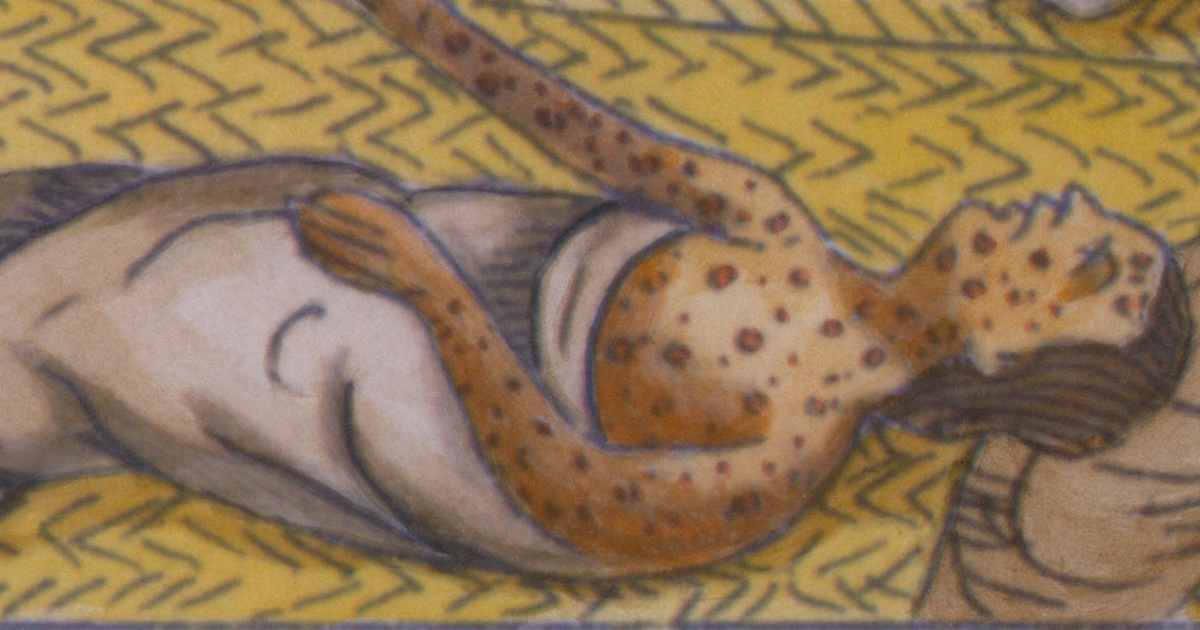
Fort Pitt, situated at the strategic confluence of the Allegheny and Monongahela rivers in present-day Pittsburgh, Pennsylvania, quickly became a focal point of the rebellion. In late May 1763, Delaware, Shawnee, and Mingo warriors laid siege to the outpost, trapping inside its walls approximately 250 British soldiers and over 500 colonial civilians, including women and children. The fort’s commander, Swiss-born Captain Simeon Ecuyer, faced a double threat: a relentless external siege and a growing internal catastrophe. Due to the crowded and unsanitary conditions within the fort’s cramped confines, an outbreak of smallpox—a highly infectious, disfiguring, and often lethal virus—began spreading through the garrison’s temporary hospital ward. Ecuyer knew that if the disease overwhelmed his men, the fort would inevitably fall.
Key Events Timeline: The Summer of 1763
The events surrounding the attempted biological warfare unfolded in a rapid, highly documented sequence over the summer of 1763:
- May 1763: Chief Pontiac launches his rebellion, capturing multiple British outposts on the western frontier.
- May 29, 1763: Hostilities reach the vicinity of Fort Pitt with attacks on nearby homesteads, prompting Captain Simeon Ecuyer to prepare the fort for a siege.
- June 16, 1763: Captain Ecuyer writes to Colonel Henry Bouquet in Philadelphia, expressing deep concern over the crowded conditions and the smallpox outbreak inside Fort Pitt.
- June 23, 1763: Colonel Bouquet passes the information regarding the smallpox outbreak up the chain of command to Sir Jeffery Amherst.
- June 23–24, 1763: Delaware diplomats, including Turtleheart and Mamaltee, parley with British officials at Fort Pitt. They urge the British to abandon the fort peacefully. Ecuyer refuses, but after the meeting, trader William Trent records gifting the emissaries two blankets and a handkerchief from the smallpox hospital.
- July 7, 1763: In response to Bouquet, General Amherst cold-bloodedly suggests: “Could it not be contrived to Send the Small Pox among those Disaffected Tribes of Indians?”.
- July 13, 1763: Colonel Bouquet replies to Amherst, promising that he will try to spread the disease via contaminated blankets while taking precautions not to contract the illness himself.
- July 16, 1763: Amherst writes back in approval, urging Bouquet to use smallpox to “extirpate this execrable race”.
- August 5–6, 1763: The Battle of Bushy Run occurs, leading to British reinforcements relieving the siege of Fort Pitt.
Important Figures and Their Lasting Impact
The historical tragedy of the Fort Pitt incident involves several prominent figures whose actions defined the nature of frontier warfare:
- Chief Pontiac & Turtleheart: Standing as representatives of the Native American chiefs who fiercely resisted colonial encroachment, these leaders sought to protect their ancestral lands from absolute destruction, utilizing brilliant military strategy and diplomacy.
- Captain Simeon Ecuyer: A veteran Swiss mercenary in the British service, Ecuyer was responsible for the survival of Fort Pitt. His certification of the smallpox-infected items used during the parley indicates his direct complicity in the biological warfare attempt.
- William Trent: A prominent trader, land speculator, and militia captain. Trent’s meticulous personal diary provides the definitive, undeniable primary evidence that the British intentionally handed over contaminated linens to Indigenous diplomats.
- Sir Jeffery Amherst: The Commander-in-Chief of British forces in North America. Amherst’s name has become synonymous with colonial ruthlessness. His letters explicitly advocating for the “extirpation” of Indigenous peoples through biological means remain a stain on his military legacy.
- Colonel Henry Bouquet: A subordinate commander who readily agreed to execute Amherst’s brutal suggestions, demonstrating the systemic willingness of high-ranking military officers to bypass civilized rules of engagement in times of crisis.
Major Turning Points: The Act of Biological Warfare
The defining moment of the controversy occurred during the parley of June 24, 1763. Delaware chiefs Turtleheart and Mamaltee approached Fort Pitt to negotiate. They offered the British garrison safe passage back to the east, warning them of a massive incoming warrior force. Ecuyer declined the offer but offered a token of “goodwill”. As the diplomats prepared to leave, they were given gifts: two blankets and a silk handkerchief. However, these were not ordinary trade goods. They had been deliberately taken from the fort’s active smallpox ward. William Trent famously recorded the transaction in his journal, writing, “I hope it will have the desired effect”.
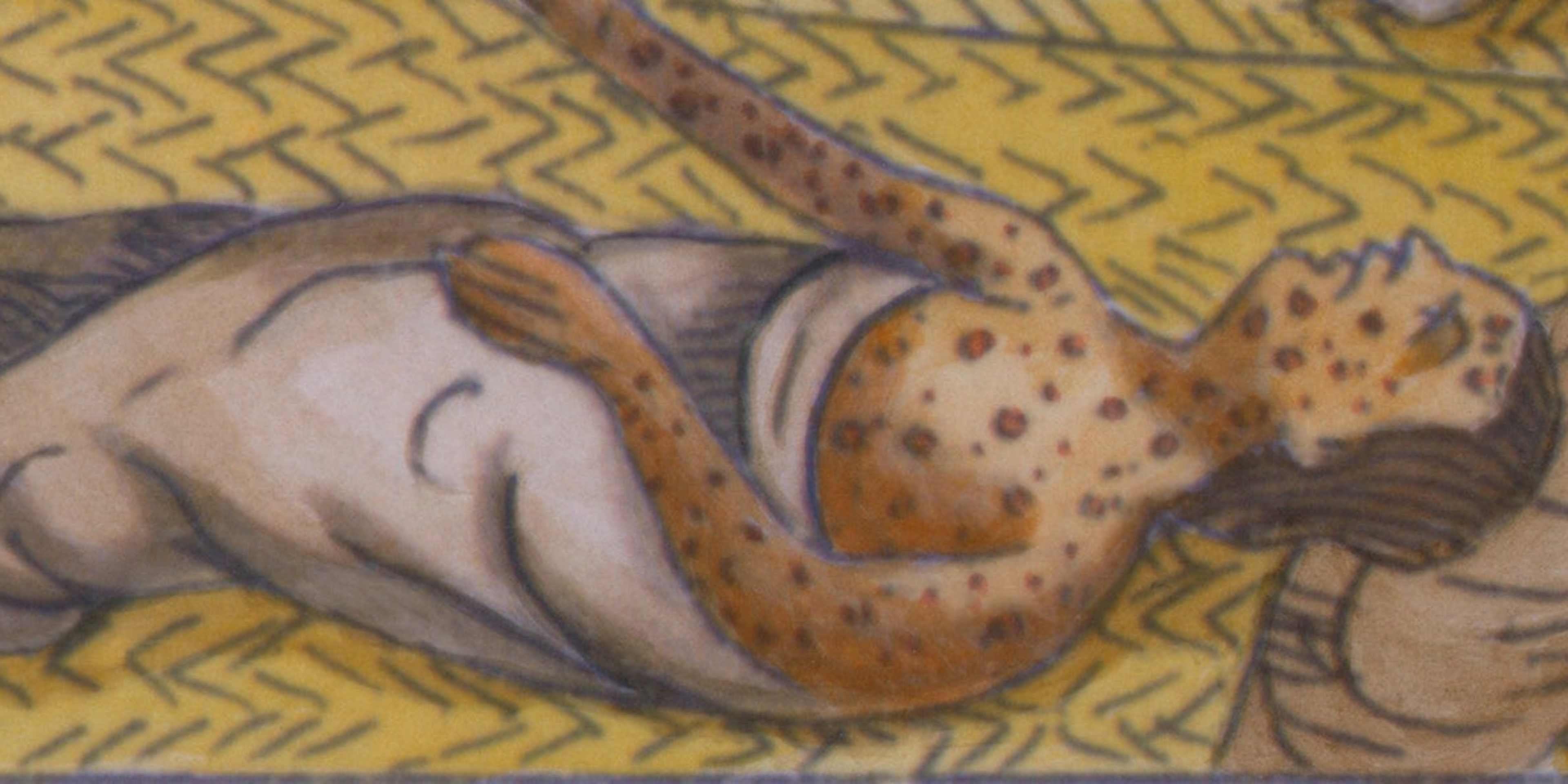
To confirm that this was an official military action rather than an isolated deed by a rogue trader, historians point to an invoice Trent later submitted to the British Crown. In it, he billed the military for “2 Blankets & 1 Silk Handkerchief replaced in kind which were taken from people in the Hospital to Convey the Smallpox to the Indians.” Captain Ecuyer certified the bill, and General Thomas Gage, who succeeded Amherst later that year, officially approved the payment, solidifying the event as a state-sanctioned biological attack.
Did the Biological Attack Actually Work?
While the intent to commit biological warfare is undisputed, the scientific and historical effectiveness of the attack remains a subject of intense debate among historians. In the spring and summer of 1763, a severe smallpox epidemic did indeed sweep through Ohio Country Native populations, causing widespread devastation. However, attributing this specific outbreak to the blankets given at Fort Pitt is challenging. Smallpox was already circulating in the region prior to the siege, having likely been brought by previous contact with European traders and settlers.
Modern epidemiologists also cast doubt on the physical efficacy of the blankets. Smallpox (the Variola virus) is primarily transmitted through face-to-face contact via respiratory droplets, rather than dried scabs or fluids on fabric, which lose their infectious potency over time. Some historians, such as Philip Ranlet, argue that the virus on the blankets may have already been too old to transmit the disease. Furthermore, Ranlet notes that Trent, who was prone to self-promotion, never boasted in his later journal entries about the success of his scheme, suggesting the biological attack may have been a physical failure despite its moral depravity.
Lesser-Known Facts About the Smallpox Blanket Incident
This dark chapter contains several startling historical details that are often omitted from standard textbooks:
- The Proposal of Hunting Dogs: In the same infamous letter exchange discussing biological warfare, Colonel Bouquet suggested using bloodhounds to track and hunt down Indigenous warriors, stating: “I wish we could use the Spanish method, to hunt them with English dogs who would… effectively extirpate or remove that vermin.” Amherst enthusiastically approved this suggestion as well.
- The Limits of Germ Theory: During the 1760s, scientists had no understanding of modern germ theory or how viruses functioned, as this knowledge would not emerge until the mid-19th century. Instead, colonists relied on the concept of “miasma” (bad air) and direct contagion from the various diseases and pests that plagued colonial America to wage their experimental biological war.
- The Silent Survivor: Despite the biological threat, many Indigenous oral histories suggest that while communities suffered from smallpox, they developed a deep skepticism of colonial trade goods and gifts, leading to a permanent shift in how diplomacy and trade were conducted on the frontier.
Long-Term Impact on America and Why It Matters Today
The attempted biological warfare at Fort Pitt left a lasting scar on American history, profoundly altering the relationship between the United States’ predecessors and Indigenous nations. The willingness of British officers to contemplate and execute the “extirpation” of entire populations broke any remaining illusions of a “civilized” frontier war. This event accelerated the breakdown of trust, contributing to a pattern of forced removals, land dispossession, and systemic violence that characterized the next century of American expansion.
Today, the incident serves as a crucial talking point in discussions surrounding historical justice, colonial atrocities, and the ethics of warfare. It stands as one of the earliest documented attempts at biological warfare in human history, studied by military historians and bioethicists alike. As modern society grapples with the legacy of colonization, acknowledging the Fort Pitt smallpox blanket incident helps ensure that the suffering and resilience of Indigenous peoples are accurately remembered, moving beyond sanitized narratives of early American history.
People Also Ask (FAQ)
Did the British government officially authorize the use of smallpox blankets?
While General Jeffery Amherst, the commander-in-chief of British forces, explicitly authorized the strategy in letters to Colonel Henry Bouquet, the actual transfer of infected blankets at Fort Pitt was carried out by local officials (Captain Simeon Ecuyer and William Trent) weeks before Amherst’s letter reached them. However, the British military later compensated Trent for the blankets, effectively sanctioning the act post-facto.
Was this the only time smallpox was used as a weapon in America?
The Fort Pitt incident in June 1763 is the only clearly documented, undisputed instance of British colonial officials attempting to spread smallpox to Native Americans using infected blankets. While there are other rumors and tribal oral histories of similar events, Fort Pitt remains the sole case backed by physical, primary documentary evidence, including journal entries and military invoices.
How did Native Americans view the outbreak?
Indigenous oral traditions record a profound sense of betrayal and the horrific impact of the disease, which decimated entire villages and disrupted social structures. It reinforced a deep-seated distrust of European settlers and their gifts, a sentiment that persisted throughout subsequent treaties and negotiations.
Conclusion
The story of the smallpox blankets at Fort Pitt is a sobering reminder of the extremes of colonial warfare. Whether the physical act of gifting those two blankets and a handkerchief successfully ignited the epidemic or not, the documented intent to eradicate an entire population using a deadly pathogen represents a dark milestone in American history. By analyzing the primary sources, the key figures, and the broader context of Pontiac’s War, we gain an unvarnished look at the lengths to which colonial powers would go to secure land and dominance, a legacy that continues to echo in modern discussions of Indigenous sovereignty and historical accountability.


