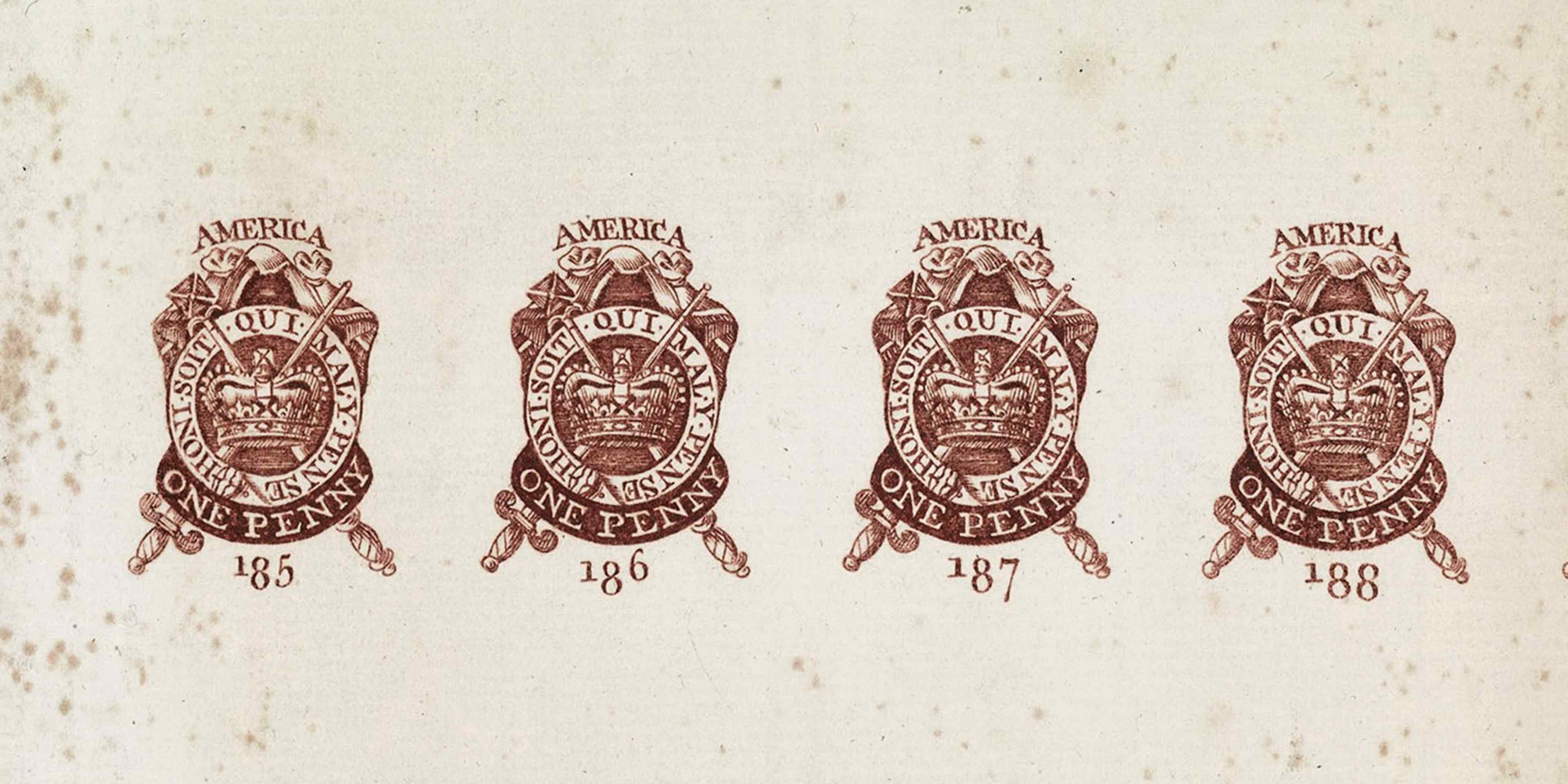
The Stamp Act of 1765 stands as one of the most defining and explosive turning points in early American history. Long before the first shots of the Revolutionary War were fired at Lexington and Concord, this single piece of British legislation ignited a fierce political firestorm across the Atlantic. For the first time, the British Parliament attempted to levy a direct, internal tax on the American colonists, targeting everyday paper goods from legal documents and deeds to newspapers, pamphlets, and even playing cards. This unexpected fiscal offensive challenged the colonists’ long-held beliefs about their rights as British subjects and fundamentally questioned the limits of imperial power. What began as a debate over taxation quickly transformed into an existential struggle over self-governance, individual liberty, and representation. The resulting crisis not only united the historically fractured colonies in a shared cause but also laid the intellectual and organizational foundations for the birth of a new nation.
The Historical Background: An Empire in Debt
To understand why the British Parliament passed the Stamp Act of 1765, one must first look at the global geopolitical landscape of the mid-18th century. For nearly a century, Great Britain and France had been locked in a bitter struggle for global dominance. This rivalry culminated in the Seven Years’ War (1756-1763), known in North America as the French and Indian War [1]. While Britain emerged victorious, securing vast new territories including Canada and all French claims east of the Mississippi River [1], the triumph came with a staggering financial cost. The war had saddled the British Empire with a massive national debt, which had ballooned to over £130 million [1].
British policymakers in London, led by the newly appointed Prime Minister and First Lord of the Treasury, George Grenville [1], faced a severe fiscal crisis. Grenville reasoned that since the war had been fought largely to protect the American colonists from French aggression [1], those very colonists should shoulder a reasonable portion of the financial burden. Furthermore, Britain planned to keep a standing army of roughly 10,000 soldiers in North America to secure the frontier, manage relations with Native Americans, and prevent future conflicts [1]. The estimated annual cost of maintaining these garrisons was massive, and Grenville believed the colonies should contribute to their own defense.
For generations, the 13 colonies had enjoyed a policy known as “salutary neglect,” during which the British government loosely enforced trade laws and allowed colonial assemblies to govern and tax themselves. Grenville decided to end this era of leniency [1]. He began with the Sugar Act of 1764, which tightened customs enforcement and placed duties on imported sugar and molasses [1]. However, the Sugar Act was an external tax on trade. The Stamp Act, proposed shortly thereafter and passed by Parliament without debate on March 22, 1765, was entirely different: it was a direct, internal tax on the everyday transactions of the colonists [1].
A Chronological Timeline of the Stamp Act Crisis
The escalation from a legislative proposal in London to armed rebellion in the colonies did not happen overnight. The timeline below illustrates how the crisis unfolded, mounting in intensity until Parliament was forced to capitulate:
- April 5, 1764: Parliament passes the Sugar Act [1], signaling the end of salutary neglect and raising early colonial alarm over taxation.
- March 22, 1765: Parliament passes the Stamp Act [1], scheduled to take effect on November 1 of the same year.
- May 29, 1765: Patrick Henry introduces the Virginia Resolves in the House of Burgesses [1], boldly declaring that only local colonial assemblies have the right to tax Virginians.
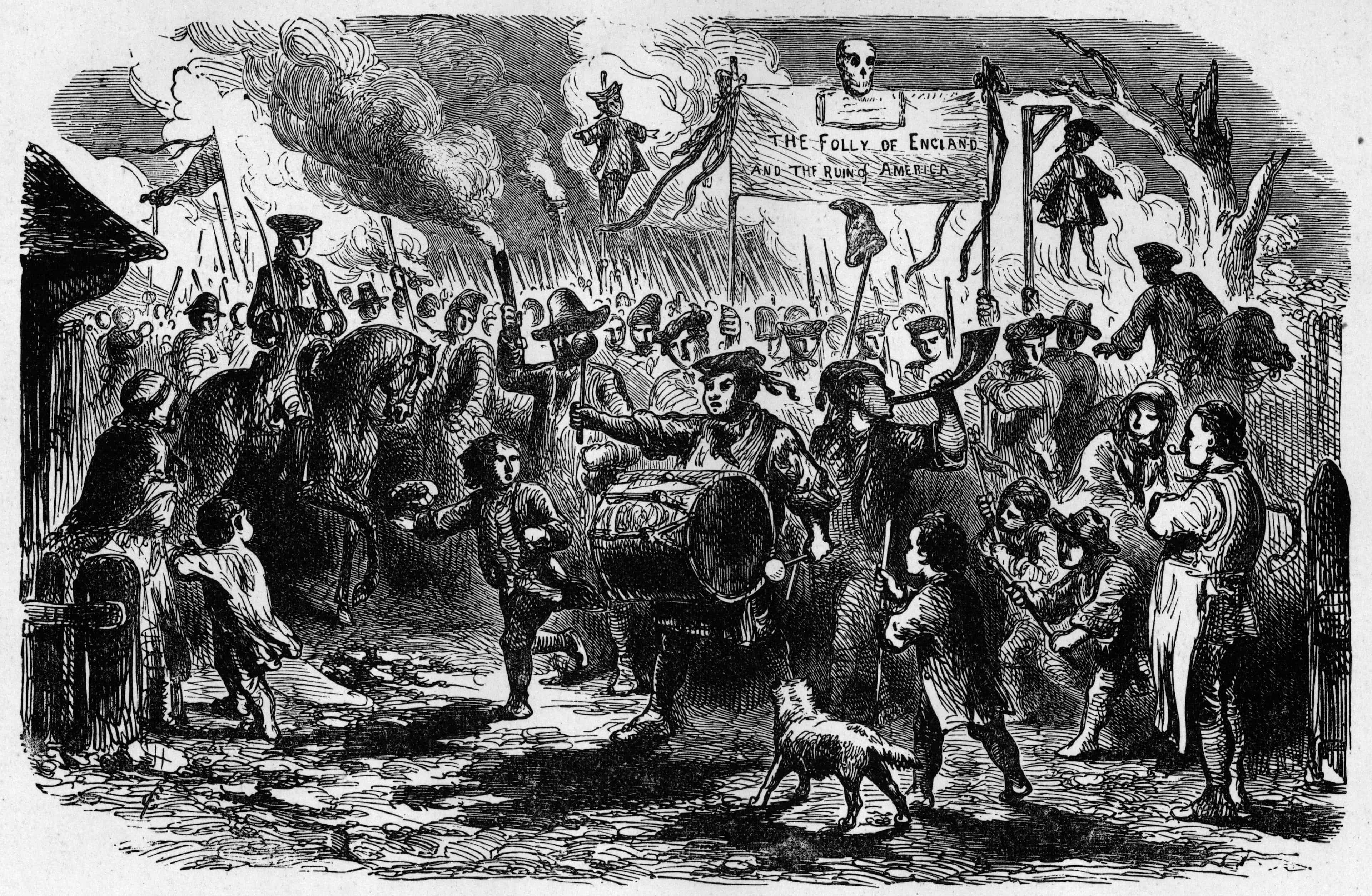
- August 14, 1765: Violence erupts in Boston as an angry mob organized by the early Sons of Liberty hangs an effigy of stamp distributor Andrew Oliver and ransacks his property [1], forcing his resignation.
- October 7-25, 1765: The Stamp Act Congress meets in New York City [1]. Delegates from nine colonies draft the “Declaration of Rights and Grievances,” establishing a unified colonial front.
- November 1, 1765: The Stamp Act officially goes into effect [1], but widespread civil disobedience and the resignation of stamp collectors make the law virtually unenforceable.
- March 18, 1766: Realizing the economic damage caused by colonial boycotts [1], Parliament repeals the Stamp Act but simultaneously passes the Declaratory Act, asserting absolute authority over the colonies.
Key Historical Figures and Their Legacies
The Stamp Act crisis thrust several remarkable individuals into the historical spotlight, defining their political careers and shaping the future of American resistance:
- George Grenville: As the British Prime Minister, Grenville was the chief architect of the Stamp Act [1]. He viewed the colonies as subordinate entities that existed for the economic benefit of the mother country. His rigid insistence on colonial taxation ultimately cost him his political standing and catalyzed the American Revolution [1].
- Patrick Henry: A newly elected, fiery young lawyer from Virginia, Henry galvanized the resistance with his powerful speeches. He presented his famous Virginia Resolves to the House of Burgesses, famously warning King George III of the fates of Julius Caesar and Charles I [1]. Henry’s rhetoric provided the intellectual and legal basis for resisting British tyranny [1].
- Samuel Adams: A brilliant political organizer in Boston, Adams helped coordinate the popular protests and was a key figure behind the Sons of Liberty [1]. He understood how to channel the raw energy of working-class crowds into structured political actions, ensuring that the resistance remained relentless and organized.
- Andrew Oliver: Appointed as the stamp distributor for Massachusetts, Oliver became the primary target of Bostonian outrage [1]. His public humiliation and subsequent resignation served as a stark warning to other crown officials [1], effectively neutralizing the collection of the tax.
Causes and Context: Why the Colonists Reacted with Outrage
To modern observers, a tax on paper might seem relatively minor, but to the 18th-century colonists, it represented a dangerous constitutional threat. The core of their opposition lay in the principle of no taxation without representation [1]. Under the English Bill of Rights of 1689, British citizens could only be taxed by their elected representatives. Because the colonies had no members representing them in the British Parliament, they argued that Parliament had no constitutional authority to levy direct taxes on them [1].
British officials countered this argument with the concept of “virtual representation,” claiming that members of Parliament represented the interests of all British subjects, regardless of whether those subjects could vote for them [1]. The colonists flatly rejected this notion, insisting that only their local, elected assemblies—which understood their unique economic struggles—had the right to tax them [1]. Furthermore, the Stamp Act specifically targeted items that impacted almost every aspect of daily life, particularly targeting lawyers, printers, and merchants [1]. The tax applied directly to legal contracts, deeds, wills, liquor licenses, college diplomas, playing cards, dice, and even newspapers [1]. This broad scope meant that the tax did not just affect wealthy merchants; it impacted ordinary citizens and threatened the survival of independent media, including the publishers of early American newspapers who relied on cheap paper to print their editions.
Additionally, the Stamp Act stripped colonists of another cherished British right: trial by jury [1]. Parliament decreed that violators of the act would not be tried in local colonial courts, where friendly juries routinely acquitted fellow colonists of smuggling and tax evasion [1]. Instead, offenders were prosecuted in vice-admiralty courts [1]. These courts were overseen by crown-appointed judges who received a percentage of the confiscated goods if they found the defendant guilty. This blatant subversion of judicial fairness deeply alarmed colonial legal minds [1], who saw it as a stepping stone toward absolute tyranny.
Major Turning Points: How Resistance Forced Repeal
As the autumn of 1765 approached, resistance shifted from intellectual debates in colonial assemblies to active, physical defiance on the streets [1]. This popular uprising was spearheaded by a secretive network of patriots who called themselves the Sons of Liberty [1]. Composed of artisans, shopkeepers, and merchants, the Sons of Liberty utilized intimidation, protests, and mock executions to pressure stamp distributors into resigning [1]. By the time the law was officially supposed to take effect on November 1, nearly every designated stamp collector in the colonies had resigned under duress [1].
Meanwhile, the colonies achieved a historic milestone in political unity. In October 1765, the Stamp Act Congress convened in New York [1]. This represented the first time that independent and often fiercely competitive colonies came together on their own initiative to draft a unified protest [1]. Their “Declaration of Rights and Grievances” politely but firmly asserted their constitutional objections to taxation without representation [1]. Alongside this political unity, the colonists launched highly effective economic boycotts against British imports. Colonial merchants signed non-importation agreements, refusing to buy British goods until the Stamp Act was repealed. As British warehouses filled with unsold merchandise, English merchants began suffering massive financial losses. Facing mounting pressure from their own merchants, British MPs finally voted to repeal the Stamp Act in March 1766 [1].
The Long-Term Impact: The Unintended Legacy
While the repeal of the Stamp Act was celebrated with massive bonfires and parades throughout the colonies, the underlying constitutional dispute remained unresolved. Simultaneously with the repeal, Parliament passed the Declaratory Act [1]. This legislation boldly declared that Parliament had the absolute power to bind the colonies “in all cases whatsoever” [1]. The British government had backed down on the Stamp Act purely for economic convenience, not because they accepted the colonists’ constitutional arguments [1].
The long-term impact of this crisis was profound. First, it shattered the myth of Parliament’s absolute authority, proving to the colonists that collective resistance and economic boycotts could successfully force the British government to back down. Second, it forged strong lines of communication and organizational networks among the colonies that would remain active. Finally, the Stamp Act crisis created a shared American identity. Before 1765, a resident of Virginia and a resident of Massachusetts shared little in common; after 1765, they viewed themselves as fellow Americans fighting a common oppressor. The intellectual arguments articulated during this crisis directly laid the groundwork for the Declaration of Independence a decade later [1].

Lesser-Known Facts About the Stamp Act
- The Tax on Leisure: The Stamp Act did not just tax boring legal papers. It imposed heavy duties on playing cards and dice [1]. To prove the tax had been paid, a tiny stamp had to be printed directly on the Ace of Spades. Playing with an unstamped card was considered a federal crime!
- The Origin of the “Liberty Tree”: The large elm tree in Boston where Andrew Oliver’s effigy was hanged quickly became a legendary symbol of freedom [1]. Known as the “Liberty Tree,” it served as a central rallying point for protests until loyalist soldiers chopped it down in 1775 out of pure spite.
- Taxing the Dead: The act was so thorough that it even applied to wills and estate distributions [1]. Colonists complained that the British government was literally trying to tax them beyond the grave.
Why It Still Matters Today
The legacy of the Stamp Act of 1765 continues to shape modern democratic governance and constitutional law. The intense colonial anger over the vice-admiralty courts directly influenced the drafting of the U.S. Constitution, ensuring the preservation of the right to a trial by jury in civil and criminal cases (cemented in the Sixth and Seventh Amendments) [1]. Furthermore, the debate over “no taxation without representation” remains highly relevant today, echoing in modern discussions regarding the political status of Washington D.C., Puerto Rico, and other U.S. territories whose residents pay federal taxes but lack voting representation in Congress.
People Also Ask
Why did the British pass the Stamp Act?
The British Parliament passed the Stamp Act to help pay down the massive national debt incurred during the Seven Years’ War (French and Indian War) and to fund the ongoing cost of keeping a standing army of British soldiers in North America to protect the colonies [1].
What does “No Taxation Without Representation” mean?
This slogan expressed the colonial belief that under the British constitution, citizens could only be taxed by representatives they had personally voted for. Since the colonies had no representatives in the British Parliament, they argued any taxes passed by Parliament were illegal and tyrannical [1].
How did the colonists react to the Stamp Act?
The colonists reacted with widespread outrage, utilizing a mix of intellectual protests (resolutions by colonial assemblies), unified political action (the Stamp Act Congress), economic boycotts of British goods, and physical intimidation carried out by the Sons of Liberty, which forced stamp distributors to resign [1].
Conclusion
The Stamp Act of 1765 was far more than a simple dispute over tax revenues; it was the spark that ignited the American Revolution [1]. By attempting to enforce a direct tax without colonial consent, the British Parliament unwittingly united thirteen separate colonies [1], forced the creation of powerful resistance networks like the Sons of Liberty [1], and prompted a profound debate over the nature of liberty and self-determination [1]. Although the act was repealed within a year, the constitutional battle lines had been drawn [1], setting the stage for an inevitable clash that would alter the course of human history [1].


