When we look back at the origins of English colonization in North America, names like Jamestown and Plymouth immediately dominate the history books. Yet, hidden along the chilly, pine-blanketed coast of Maine lies the story of a forgotten competitor that could have altered the entire geopolitical map of New England. The Popham Colony, established in 1607, was not a minor, half-hearted attempt at settlement; it was a heavily funded, strategically designed, and direct rival to Jamestown. Spearheaded by the Plymouth faction of the Virginia Company, this ambitious endeavor sought to claim the northern territories of the New World for the British Crown, tapping into fur trades, timber, and the elusive Northwest Passage. Although its lifespan was brief, the saga of the Popham Colony represents a pivotal, albeit overlooked, chapter in early American history that teaches us about the extreme hardships, political shifts, and environmental challenges of early colonial life.
The Historical Background: Two Companies, One Crown
In 1606, King James I of England signed a royal charter that effectively divided the unexplored coast of North America between two rival branches of the Virginia Company. The London Company was granted rights to settle the southern regions (from modern-day North Carolina to the Potomac), while the Plymouth Company received authorization to colonize the northern areas (spanning from modern-day Long Island to Maine). To spark a competitive race, a neutral zone in the middle was left open to whichever group could establish a thriving, self-sufficient settlement first.
This charter marked a major turning point in English global policy. Following the mysterious disappearance of the Roanoke colony in the 1580s, the English Crown had been hesitant to finance overseas ventures. However, with peace declared between England and Spain in 1604, investors and nobles were eager to challenge Spanish dominance in the Western Hemisphere and secure wealth through resource extraction. While the London Company raced ahead to establish Virginia, the Plymouth Company assembled its own expedition of 120 sailors, soldiers, carpenters, merchants, and farmers to claim the northern frontier.
Chronological Timeline of the Sagadahoc Expedition
- April 10, 1606: King James I issues the Virginia Charter, dividing North American colonization efforts between the London and Plymouth Companies.
- May 13, 1607: The London Company successfully lands in Virginia, leading to the establishment of the Jamestown colony.
- May 31, 1607: The Plymouth Company ships, Gift of God and Mary and John, set sail from Plymouth, England, bound for the northern coast of America.
- August 1607: The expedition reaches the mouth of the Kennebec River (then known as the Sagadahoc River) in Maine and begins building Fort St. George.
- December 1607: Severe food shortages and the onset of a brutal New England winter force over half of the colonists to return to England.
- February 5, 1608: Colony President George Popham dies of unknown causes, leaving the young and headstrong Raleigh Gilbert in charge.
- May 1608: Supply ships arrive bringing news of the death of Sir John Popham, the colony’s primary financial patron.
- September 1608: The ship Mary and John returns with news that Raleigh Gilbert’s brother has died, leaving him the heir to the family estate. The remaining 45 colonists decide to abandon Popham and return to England.
Key Figures and Their Roles
The leadership of the Popham Colony was defined by a mix of aristocratic ambition, youthful headstrong behavior, and massive legal influence back in England. Understanding these individuals helps paint a clearer picture of why the colony was constructed and why it ultimately dissolved so rapidly.
George Popham (c. 1550 – 1608)
Serving as the colony’s first president, George Popham was a nobleman and relative of Sir John Popham, the Lord Chief Justice of England. Popham was deeply optimistic, perhaps to a fault. He believed the Maine coast possessed tropical riches and wrote glowing reports to King James I, claiming that the local native populations had confirmed the presence of nutmeg, mace, and cinnamon in the region. His leadership kept the colony focused during its initial months of construction, but his sudden death in February 1608 dealt a severe blow to the settlement’s morale.
Raleigh Gilbert (1583 – 1634)
Raleigh Gilbert, a nephew of the famous explorer Sir Walter Raleigh, served as second-in-command and later as president after Popham’s death. Only 25 years old at the time, Gilbert was described by contemporaries as headstrong, of small judgment, and difficult to manage. His aggressive demeanor nearly led to violent conflict with the local Wabanaki Indians, which severely hindered the colony’s trading potential. When news arrived that his older brother had died, leaving him a substantial inheritance, Gilbert chose his personal fortune over the colony, prompting the remaining settlers to abandon the project.
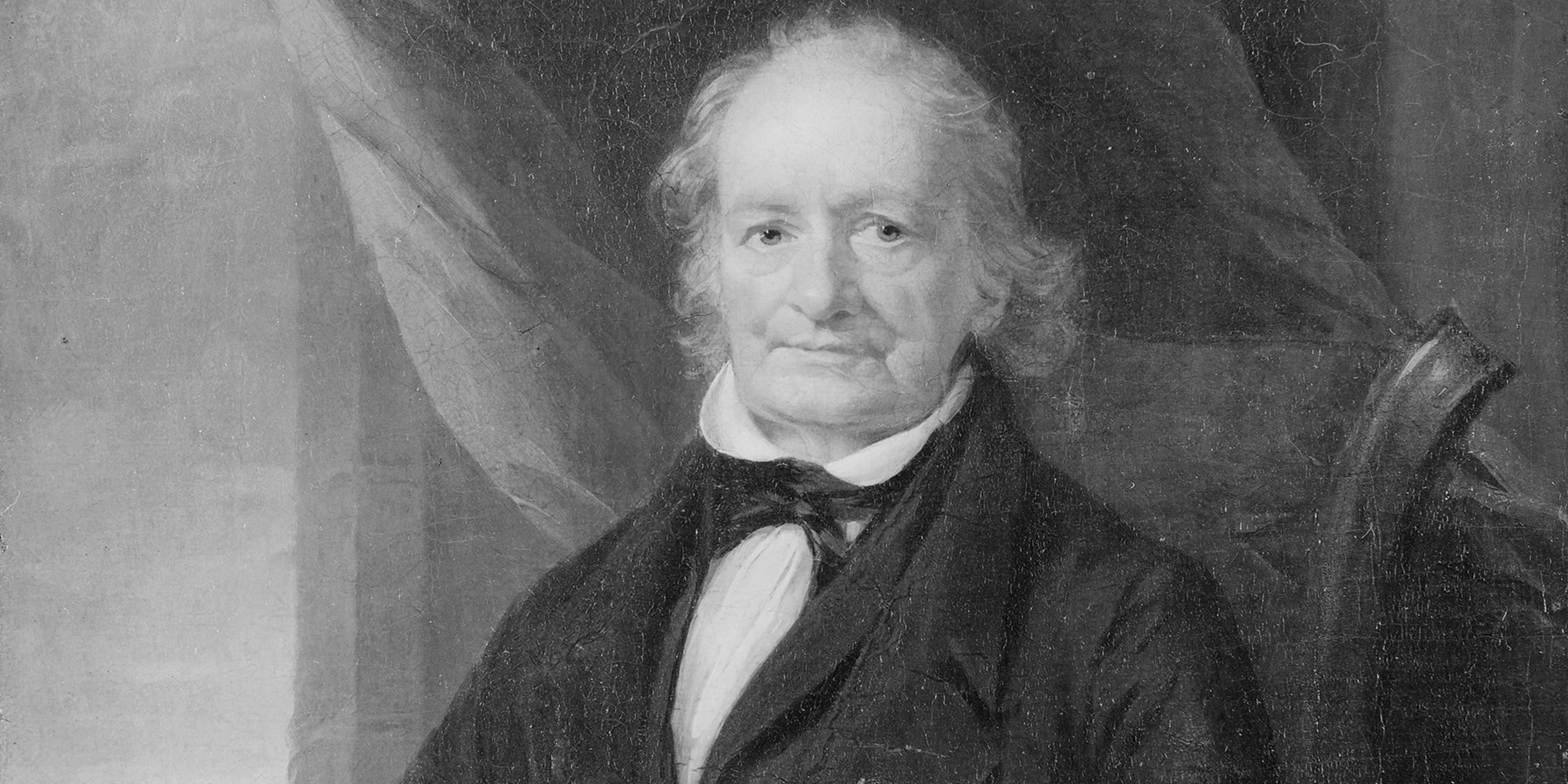
Sir John Popham (1531 – 1607)
As the Lord Chief Justice of England, Sir John Popham was one of the most powerful and wealthy men in the kingdom. He was the primary financial backer and namesake of the colony. His death in mid-1607 (with news reaching the colony in May 1608) effectively cut off the colony’s political lifeline and financial security in London, making the long-term survival of the settlement highly improbable.
The Causes and Geopolitical Context
To understand why the Popham Colony was launched, one must look at the broader geopolitical struggles of the early 17th century. England was lagging behind Spain and Portugal, who had already extracted massive amounts of gold and silver from Central and South America. The English needed to secure their own lucrative commodities.
Furthermore, the French were actively exploring and trading in eastern Canada and Maine. Fearing that France would completely monopolize the lucrative northern fur trade, the English rushed to plant a flag on the Kennebec River. The Popham Colony was designed specifically as a fortified trading post to secure local furs, locate precious metals, harvest high-quality timber for the Royal Navy, and find a short water route to the Pacific Ocean. Its failure placed it on the long list of failed North American settlements that struggled to adapt to the harsh reality of the continent’s climate and geography.
Major Turning Points: Fires, Frost, and Fortune
The fate of the Popham Colony was sealed by a rapid succession of unfortunate events and natural disasters. The first major crisis was the arrival of the legendary Maine winter. Unprepared for the sub-zero temperatures, heavy snows, and frozen rivers, the colonists were quickly trapped inside Fort St. George. Unlike Virginia, where the primary threat was disease, the Popham colonists were physically frozen out of their resources.
Another massive turning point was the construction of the Virginia of Sagadahoc. Recognizing that they needed a reliable vessel to navigate the coastal waters and eventually return home, the colonists utilized the dense local forests to construct a 50-foot pinnace. This was the first English-designed ocean-going vessel built in the New World. When the colony was abandoned in September 1608, this sturdy ship successfully carried a portion of the surviving settlers back across the Atlantic, demonstrating the incredible craftsmanship of the colony’s carpenters despite their miserable living conditions.
Long-Term Impact on New England Colonization
Although the Popham Colony lasted only fourteen months, its legacy profoundly shaped the future of British colonization. The failure of Popham convinced English investors that the northern coast of North America was too cold and inhospitable for permanent habitation, leading them to focus almost exclusively on Virginia for the next decade. However, the geographic knowledge gained from the expedition was invaluable. John Smith would later map the region in 1614, renaming it “New England.” When the Pilgrims eventually sailed on the Mayflower in 1620, they benefited from the detailed records, navigational charts, and lessons learned from the failed fort at Sagadahoc, choosing a more sheltered location and establishing a vastly superior winter supply chain.
Lesser-Known Historical Facts
- The Stolen Map: In 1607, a colonist named John Hunt drew an incredibly detailed map of Fort St. George, showing its star-shaped fortifications, chapel, and storehouse. This map was subsequently stolen by a Spanish spy and sent to King Philip III of Spain. Because of this espionage, the only surviving map of the Popham Colony was found centuries later in the national archives of Spain!
- Tropical Spices in Maine: George Popham was so convinced he was close to the Pacific Ocean and China that he wrote a formal letter to King James I claiming that the local Maine forests were filled with tropical spices like nutmeg and cinnamon. In reality, he was likely misidentifying sweet gale or other aromatic local plants.
- The First Shipyard: The construction of the Virginia of Sagadahoc established Maine’s shipbuilding heritage, an industry that remains a cornerstone of the state’s economy to this day.
Why Popham Matters Today
Today, the Popham Colony serves as an essential reminder that history is not inevitable. Had the colony survived, the cultural, linguistic, and political center of New England would have been established on the Kennebec River over a decade before the Pilgrims set foot on Plymouth Rock. It highlights the fragile nature of early global exploration, where individual inheritances, cold winters, and bad communication could collapse an entire colonial empire overnight.
People Also Ask
Why did the Popham Colony fail?
The Popham Colony failed due to a combination of a brutally cold Maine winter, severe food shortages, the loss of their primary financial sponsor Sir John Popham, and the departure of their leader Raleigh Gilbert, who returned to England to claim a family inheritance.
Where was the Popham Colony located?
The colony was located at the mouth of the Kennebec River (then called the Sagadahoc River) near the modern-day town of Phippsburg, Maine. Today, visitors can explore the nearby Popham Beach State Park and the historic archaeological site of Fort St. George.
What was the first ship built in the New World?
The first English ocean-going vessel built in North America was the Virginia of Sagadahoc, a 50-foot pinnace constructed by the Popham colonists in 1607–1608 to facilitate trade and eventual transport back to England.
Conclusion
The Popham Colony remains one of the most intriguing “what-ifs” of American history. Though it was ultimately reclaimed by the Maine wilderness, the determination of its builders, the construction of the Virginia of Sagadahoc, and the lessons carved into the frozen ground of Fort St. George paved the way for the successful colonization efforts that followed. By understanding Popham, we gain a deeper appreciation for the immense challenges faced by early settlers and the fragile threads upon which the history of a nation once hung.


