When examining the complex tapestry of the American Revolutionary War, few names evoke as much intrigue, debate, and historical irony as Charles Cornwallis. Best remembered by generations of Americans as the British general who surrendered his sword at Yorktown, effectively securing the birth of the United States, Cornwallis was far more than a convenient villain in the narrative of liberty. He was an elite military strategist, an aristocratic politician who initially sympathized with colonial grievances, and a highly capable administrator whose post-war career went on to reshape the British Empire in India and Ireland. Understanding his life and decisions provides a vivid window into the geopolitics of the 18th century and the sheer unpredictability of revolutionary conflict.
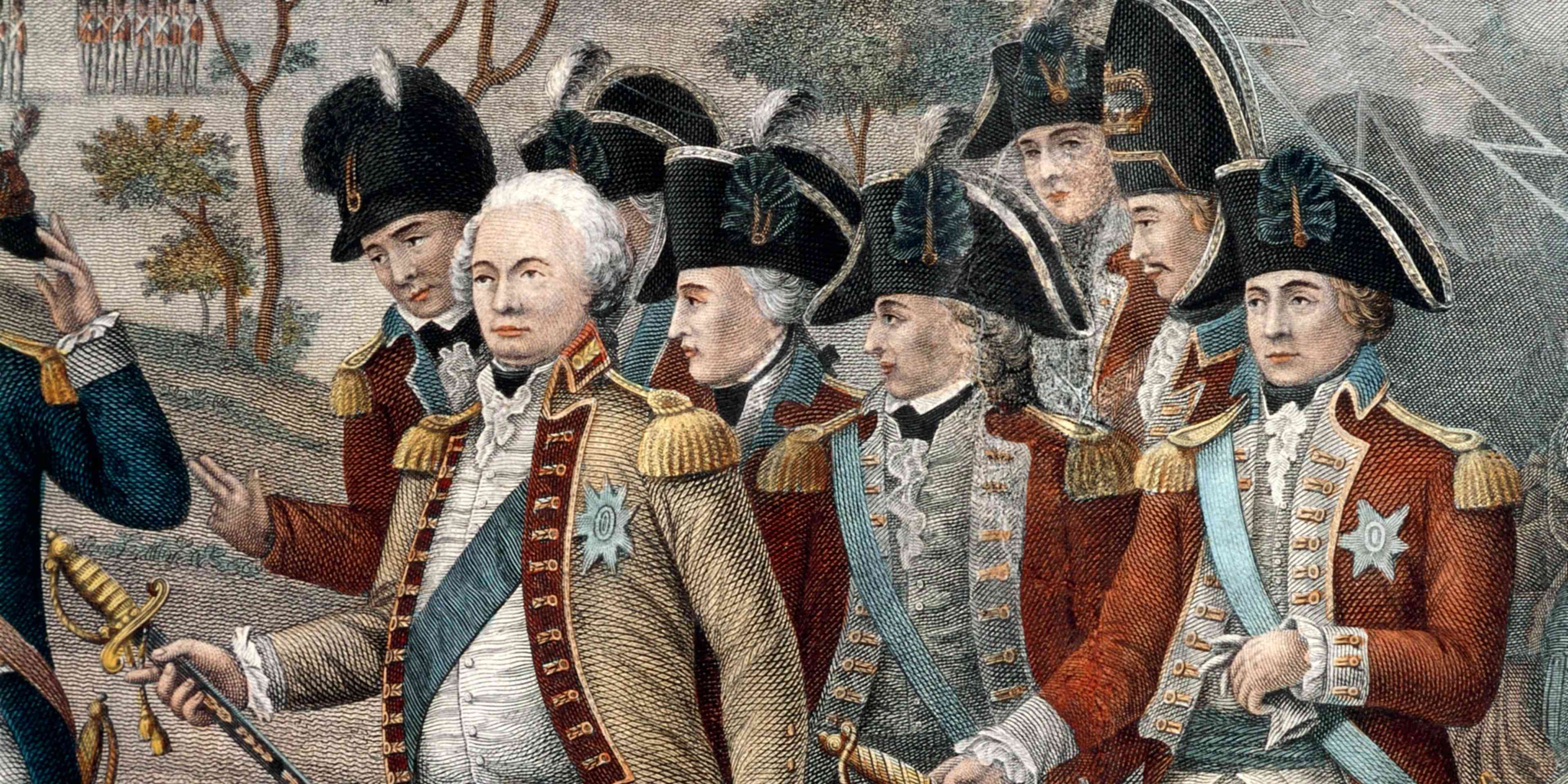
The Early Life and Aristocratic Roots of Charles Cornwallis
Charles Cornwallis was born on December 31, 1738, in London, England, into a life of immense privilege and military tradition. As the eldest son of the first Earl of Cornwallis, young Charles was destined for high society and political power. He was educated at the prestigious Eton College before entering the military, attending the military academy at Turin, Italy, to master the European art of warfare.
His trial by fire came during the Seven Years’ War (known in North America as the French and Indian War). Serving in Germany, Cornwallis acted as an aide-de-camp to the Marquess of Granby and quickly earned a reputation for conspicuous bravery. By 1761, he was a regimental commander, winning acclaim for his cool-headed leadership during the Battle of Vellinghausen. When his father passed away in 1762, Charles was elevated as the 2nd Earl of Cornwallis, taking his seat in the House of Lords. Surprisingly, in the halls of Parliament, Cornwallis frequently voted against oppressive British colonial taxes, including the infamous Stamp Act of 1765, demonstrating a deep awareness of colonial anxieties.
The Road to Rebellion: Causes and Context
Despite his political opposition to the taxes that catalyzed the rebellion, Cornwallis was first and foremost a loyal servant of the Crown. When hostilities erupted in April 1775, he did not hesitate to volunteer for active service. He believed that while Parliament’s tax policies might have been flawed, armed rebellion against the King was an unforgivable offense that had to be quelled.
As British tensions mounted across North America, the geographic diversity of the colonies presented a immense strategic challenge for British administrators. Understanding the unique political and geographic landscapes of the original 13 colonies is crucial to understanding why the rebellion spread so rapidly and why pacifying such a vast coastline proved nearly impossible for the British military leadership.
The Early Campaigns: From New York to Philadelphia
Promoted to Major General, Cornwallis arrived in North America in early 1776, initially operating in the Carolinas under General Henry Clinton. After a failed attempt to capture Fort Moultrie on Sullivan’s Island in South Carolina, the British forces shifted their focus northward to join General William Howe in New York.
Cornwallis quickly became Howe’s most reliable tactical commander. During the Battle of Long Island in August 1776, Cornwallis led the reserve forces that successfully routed General George Washington’s Continental Army. He followed this success by leading the amphibious assault on Kips Bay and capturing Fort Lee in New Jersey. Although George Washington eventually took supreme command of the Patriot forces, the question of who commanded the Continental Army before Washington and how early American leadership structured its defense played a key role in slowing down the seasoned British army in those chaotic early years.
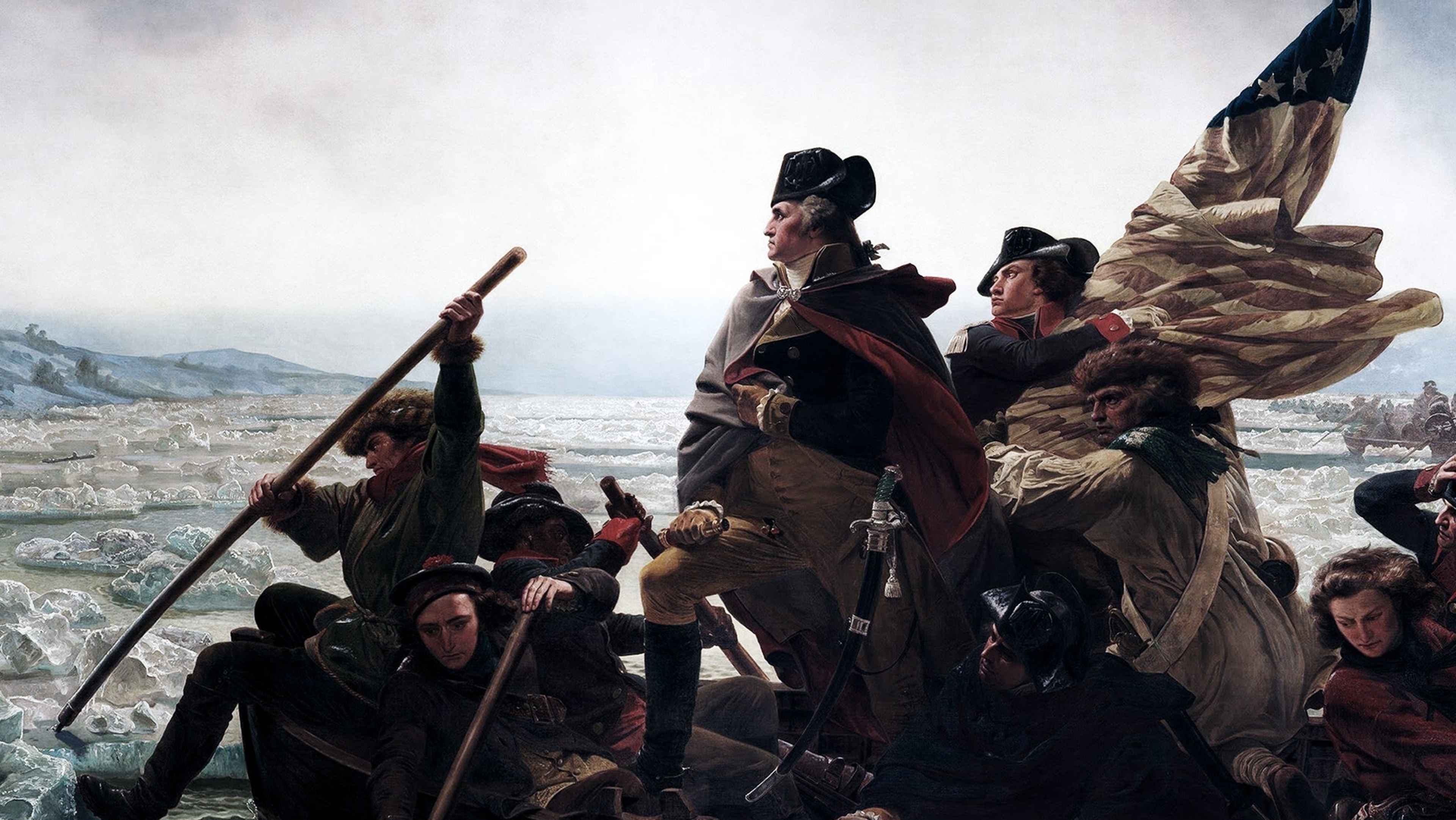
Despite his battlefield prowess, Cornwallis was caught off guard during the winter of 1776-1777. Following Washington’s daring crossing of the Delaware River and surprise attack on the Hessians at Trenton, Cornwallis rushed to intercept the Americans. However, Washington outmaneuvered Cornwallis at the Battle of Princeton, securing a vital boost to American morale. Cornwallis redeemed himself later that year, playing a pivotal role in the British victory at the Battle of Brandywine and the subsequent occupation of the revolutionary capital of Philadelphia in September 1777.
The Southern Strategy: A Brutal War of Attrition
By 1780, the war in the northern colonies had ground to a virtual stalemate. Recognizing this, the British Ministry implemented the Southern Strategy. This plan assumed that a vast, silent majority of Loyalists in the southern colonies would rise up to support the Crown if British regulars could establish a strong foothold. Promoted to Lieutenant General, Cornwallis served as second-in-command to General Henry Clinton during the Siege of Charleston, South Carolina, which fell to the British in May 1780.
When Clinton returned to New York, Cornwallis was left in independent command of the southern theater. He immediately made his presence felt by crushing an American army led by General Horatio Gates at the Battle of Camden in August 1780. However, pacifying the Carolinas proved to be an impossible task. The British miscalculated the depth of local support, underestimating the complex social dynamics outlined in many facts about the 13 colonies, where a fierce spirit of independence had already taken deep root. Instead of finding loyal subjects, Cornwallis encountered relentless guerrilla warfare led by partisan leaders like Francis Marion, the “Swamp Fox.”
The tide began to turn dramatically when General Nathanael Greene took command of the Continental Army’s Southern Department. Greene adopted a brilliant strategy of division and evasion, dragging Cornwallis’s army deep into the interior, far away from their supply lines. While Cornwallis won a tactical victory at the Battle of Guilford Courthouse in March 1781, his forces suffered devastating casualties from which they would never fully recover.
The Siege of Yorktown: The Fateful Climax
Exhausted and low on supplies, Cornwallis made the fateful decision to march his army into Virginia. He believed that the rebellion could only be truly crushed by cutting off the flow of supplies and reinforcements coming from the Chesapeake region. He marched to the coastal tobacco port of Yorktown, Virginia, intending to establish a deep-water naval base where he could easily communicate with and receive reinforcements from Clinton’s fleet in New York.
It was a catastrophic strategic miscalculation. Recognizing the opportunity, George Washington rapidly marched his allied American and French army south from New York. Simultaneously, a powerful French naval fleet under Admiral Comte de Grasse defeated the British Royal Navy at the Battle of the Chesapeake, cutting off Cornwallis’s only avenue of escape or reinforcement.
By October 1781, Cornwallis’s 8,000 men were trapped, heavily outnumbered, and bombarded day and night by French and American artillery. Realizing that further resistance was futile, Cornwallis surrendered on October 19, 1781. Claiming he was too ill to attend the formal surrender ceremony, Cornwallis sent his second-in-command, Brigadier General Charles O’Hara, to deliver his sword. Washington, sensing the snub, directed O’Hara to hand the sword to his own second-in-command, Major General Benjamin Lincoln. The surrender at Yorktown shattered Britain’s political will to continue the conflict, leading directly to the 1783 Treaty of Paris and the official recognition of the United States.
A Chronological Timeline of Cornwallis’s Career
- December 31, 1738: Born in London, England.
- 1761: Earns distinction for bravery at the Battle of Vellinghausen during the Seven Years’ War.
- 1762: Becomes the 2nd Earl of Cornwallis, entering the House of Lords.
- 1765-1766: Votes in Parliament against the Stamp Act and other colonial taxes.
- May 1776: Arrives in North America to support British forces in the southern expedition.
- August 1776: Commands reserve troops during the successful Battle of Long Island.
- September 1777: Key contributor to the British victory at Brandywine and the capture of Philadelphia.
- May 12, 1780: Siege of Charleston ends in a major British victory; Cornwallis is left in command of the South.
- August 16, 1780: Defeats Horatio Gates at the Battle of Camden.
- March 15, 1781: Wins a costly, pyrrhic victory over Nathanael Greene at Guilford Courthouse.
- October 19, 1781: Surrenders his army at Yorktown, effectively ending the Revolutionary War.
- 1786–1793: Serves as Governor-General of India, restructuring British colonial administration.
- 1798–1801: Serves as Lord Lieutenant and Commander-in-Chief of Ireland.
- October 5, 1805: Dies in Ghazipur, India, during his second term as Governor-General.
Post-War Career: Restructuring the British Empire
While the surrender at Yorktown might have ruined the career of a lesser man, Cornwallis’s social standing and recognized talents allowed him to bounce back spectacularly. The British Empire, having lost its valuable North American colonies, shifted its geopolitical focus eastward toward India, and Cornwallis was chosen to lead this new imperial push.
In 1786, he was appointed Governor-General of India. During his tenure, he enacted the “Cornwallis Code,” a series of sweeping legal and administrative reforms that laid the institutional framework for British rule in India. He also led military campaigns that successfully curtailed the power of Tipu Sultan of Mysore, consolidating British control over the subcontinent.
In 1798, Cornwallis was sent to Ireland as Lord Lieutenant and Commander-in-Chief during the Irish Rebellion. He successfully suppressed the rebellion and repelled an invading French force, but his legacy there was marked by his efforts to secure Catholic emancipation and pass the Act of Union in 1800, which integrated Ireland into the United Kingdom. He returned to India for a second term in 1805 but died shortly after his arrival, leaving behind a legacy as one of Britain’s most successful imperial administrators.
Lesser-Known Facts About General Cornwallis
- He Was an Anti-Tax Ally: Before the war, Cornwallis was one of only five peers in the House of Lords to vote against the Declaratory Act, which asserted Parliament’s absolute authority over the American colonies. He genuinely believed British policies were unnecessarily provocative.
- The “Sick Day” Controversy: His absence at the Yorktown surrender ceremony was widely suspected of being a diplomatic snub rather than a physical ailment. Washington’s refusal to let O’Hara hand the sword to French allies forced the British to surrender to a formerly dismissed American officer, Benjamin Lincoln.
- An Assassination Target: During his turbulent tenure in Dublin in 1799, Cornwallis narrowly survived an assassination attempt, highlighting the intense sectarian and political violence that defined his time in Ireland.
Why Charles Cornwallis Matters Today
Charles Cornwallis remains a vital historical figure because his life illustrates the complex realities of the British Empire during a period of global transition. He was not a cartoonish tyrant, but a highly disciplined, strategic, and often sympathetic commander who was ultimately undone by a combination of geographic distance, French naval intervention, and the indomitable spirit of American self-determination.
His post-war successes in India and Ireland demonstrate that the loss of the thirteen American colonies did not destroy the British Empire; rather, it forced Great Britain to adapt, reform, and redirect its global ambitions, shaping the modern geopolitical landscape of South Asia and Europe for centuries to come.
People Also Ask (FAQ)
Was Charles Cornwallis a bad general?
No. Cornwallis was widely regarded as one of the most aggressive, tactically capable, and brave generals in the British army. His defeat at Yorktown was less a result of poor generalship on his part and more a consequence of strategic isolation, lack of coordination with General Clinton, and the timely intervention of the French Navy.
Why did Cornwallis surrender at Yorktown?
Cornwallis surrendered because his army was completely surrounded on land by allied French and American forces, while the French navy blockaded the Chesapeake Bay, preventing any hope of escape, supplies, or reinforcements from New York.
What did Cornwallis do after the Revolutionary War?
Following the war, Cornwallis had an incredibly successful career. He served as the Governor-General of India, where he instituted major legal reforms, and as the Lord Lieutenant of Ireland, where he helped secure the Act of Union in 1800.
Conclusion
The story of Charles Cornwallis is one of historical irony and imperial resilience. Though his name is forever linked with the humiliating defeat at Yorktown that guaranteed American independence, his life was defined by duty, bravery, and administrative reform. By studying his victories, his ultimate defeat, and his subsequent rise in the East, we gain a far deeper, more nuanced appreciation of the global struggle that birthed the United States.


