The road to the American Revolution was not built in a single day, nor did the brave colonists of the 13 colonies decide to take up arms against the formidable British Empire overnight. Instead, the path to independence was paved with a decade of escalating tensions, legislative battles, and sudden, violent clashes. For generations, the American colonies operated with a high degree of local autonomy, managing their own affairs through representative assemblies such as the Virginia House of Burgesses. However, the aftermath of the French and Indian War fundamentally transformed the relationship between Great Britain and her transatlantic subjects. Starved of cash and burdened with monumental wartime debt, the British Parliament enacted a series of taxes and policies designed to extract revenue from the colonies, ultimately igniting a fierce debate over representation, sovereignty, and basic liberties. Understanding the triggers of this revolution is essential for comprehending the foundations of modern American democracy and the enduring struggle for self-determination.
Historical Background: The Seeds of Discontent
Following the Treaty of Paris in 1763, Great Britain emerged as the dominant global superpower, having expelled France from North America. But victory came at an astronomical price. The British national debt had nearly doubled, and Parliament believed that the American colonists, who had been protected by British soldiers, should shoulder their fair share of the financial burden. Yet, the colonists did not view themselves as debtors; they had shed blood and contributed treasure during the conflict. More importantly, they valued their long-held tradition of self-governance. As how early colonial towns shaped local governance shows, each colony had its own assemblies that decided taxes. When Parliament bypassed these assemblies to levy direct taxes, it violated the sacred constitutional principle that a citizen could not be taxed without representation in the governing body.
The Critical Timeline: 7 Key Escalating Events
1. The Stamp Act (1765)
The first direct tax on the colonies came with the passage of the Stamp Act in March 1765. This legislation mandated that all paper documents—including newspapers, legal contracts, pamphlets, and even playing cards—carry a tax stamp. Unlike previous trade duties, this was an internal tax that directly affected almost everyone. Colonial outrage was immediate. Protests erupted, and a secret resistance group known as the Sons of Liberty began intimidating tax collectors. Ultimately, the boycotts and riots made the tax uncollectible. Although Parliament repealed the act in 1766 due to pressure from merchants and the diplomacy of Benjamin Franklin, it simultaneously passed the Declaratory Act, asserting absolute British sovereignty over the colonies “in all cases whatsoever.”
2. The Townshend Acts (1767)
Determined to assert its authority, Parliament passed the Townshend Acts in 1767, placing import duties on essential goods such as glass, lead, paint, paper, and tea. To curb rampant smuggling and corruption, the Crown established a new Board of Customs Commissioners in Boston. Once again, colonists responded with structured non-importation agreements, boycotting British imports. Tensions became so volatile that the British government deployed troops to occupy Boston in 1768, setting the stage for a tragic confrontation.
3. The Boston Massacre (March 5, 1770)
On a freezing evening in Boston, a minor dispute between an apprentice wigmaker and a British sentry quickly escalated into a full-blown riot. An angry crowd of around 200 colonists surrounded a small detachment of British soldiers, throwing snowballs, ice, and oyster shells, while daring the troops to fire. Amidst the chaos, the soldiers opened fire, killing five colonists, including Crispus Attucks, a sailor of African and Native American descent. Colonial leaders, particularly Paul Revere and Samuel Adams, seized upon the event as a masterclass in anti-British propaganda, distributing sensationalized engravings that painted the soldiers as cold-blooded murderers, fueling deep-seated resentment across the colonies.
4. The Tea Act and the Boston Tea Party (1773)
While most of the Townshend duties were repealed to calm colonial rage, the tax on tea remained. In 1773, Parliament passed the Tea Act, granting a monopoly on tea sales to the financially distressed British East India Company. This allowed the company to sell tea in America at prices lower than those of Dutch smuggled tea, bypassing local colonial merchants. For the colonists, this was a clear attempt to buy their submission with cheaper goods. On December 16, 1773, members of the Sons of Liberty, loosely disguised as Mohawk Indians, boarded three East India Company ships in Boston Harbor. Over several hours, they dumped 342 chests of tea—amounting to more than 92,000 pounds—into the harbor, performing a calculated act of defiance rather than wanton vandalism.
5. The Coercive (Intolerable) Acts (1774)
Furious at the destruction of private property, King George III and Parliament retaliated with the Coercive Acts (dubbed the “Intolerable Acts” in America) in the spring of 1774. This legislation shut down the Port of Boston until the tea was paid for, suspended the Massachusetts colonial charter, replaced the elected council with a military governor (General Thomas Gage), and severely restricted town meetings. Crucially, the acts included a new Quartering Act, requiring colonists to provide housing and food for British troops in unoccupied buildings, a direct assault on private property rights that would later find its way into the grievances of the Declaration of Independence.
6. The First Continental Congress (September-October 1774)
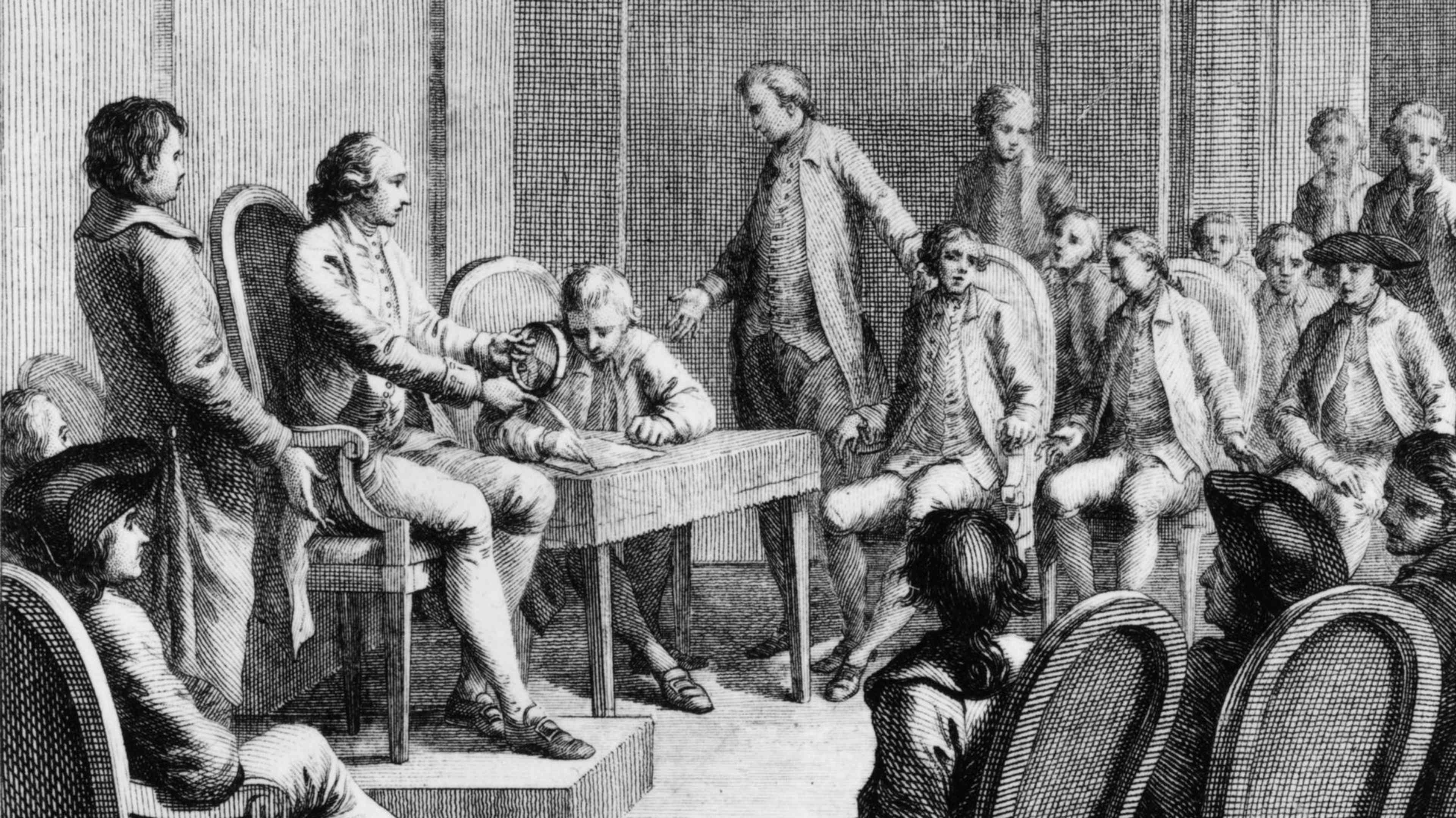
Instead of isolating Massachusetts as the British intended, the Coercive Acts unified the colonies. In September 1774, delegates from twelve of the thirteen colonies met at Carpenters’ Hall in Philadelphia. This First Continental Congress brought together diverse political minds, from radicals like Samuel Adams and Patrick Henry to moderates like George Washington and John Dickinson. The Congress issued a Declaration of Rights and Grievances, organized a coordinated boycott of British goods under the Continental Association, and advised the colonies to prepare their local militias for self-defense.
7. The Battles of Lexington and Concord (April 19, 1775)
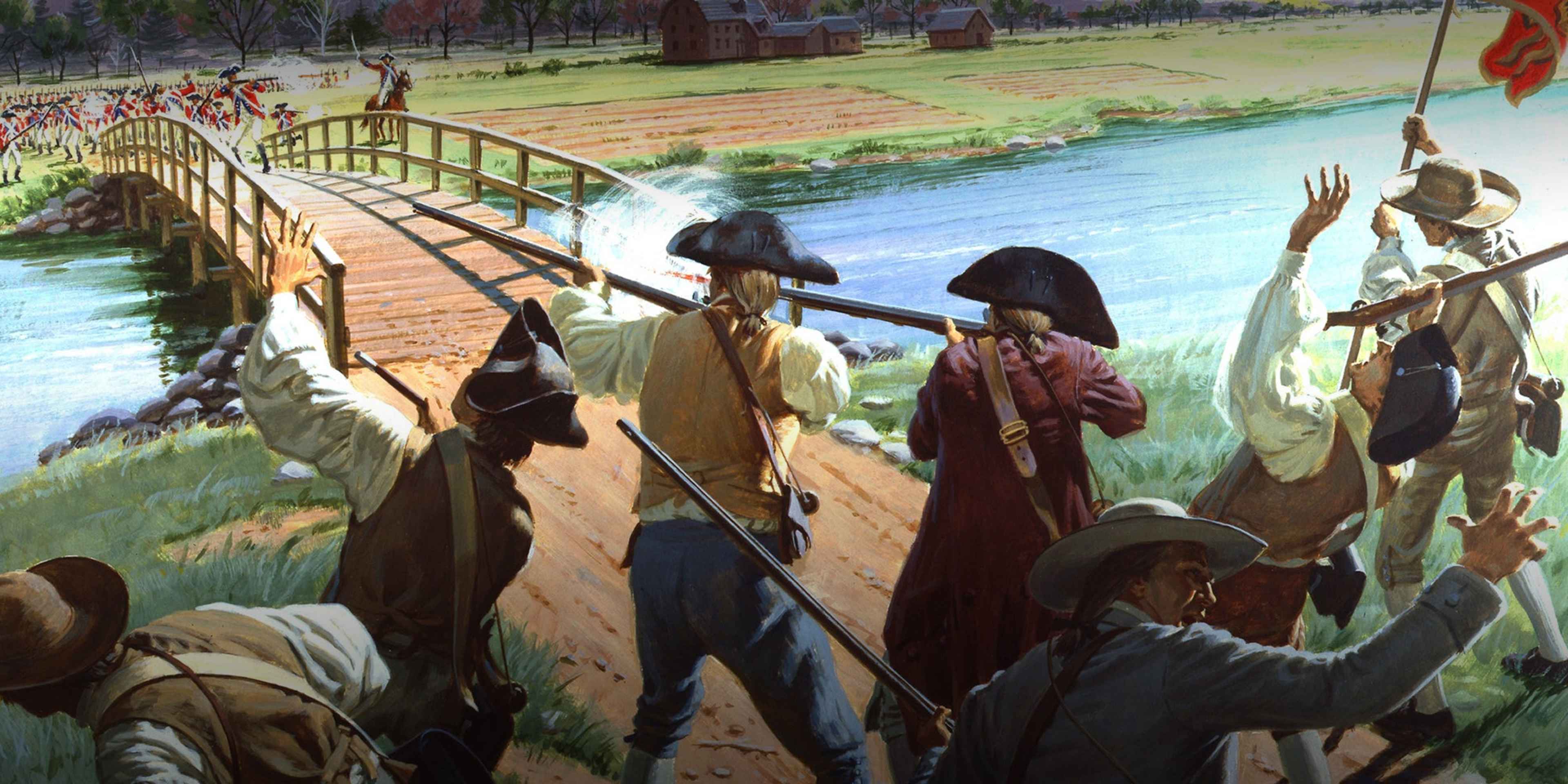
The inevitable spark occurred in the spring of 1775. General Thomas Gage ordered British troops to march from Boston to Concord to seize a cache of colonial gunpowder and arrest radical leaders John Hancock and Samuel Adams. Forewarned by a network of colonial spies, including Paul Revere, local militiamen assembled on the morning of April 19 on Lexington Green. An unknown shot—often called “the shot heard ’round the world'”—rang out, sparking a brief, bloody firefight. The British continued to Concord, where they faced stiff resistance at the North Bridge. Harassed by colonial minutemen during their entire retreat to Boston, the British suffered heavy casualties, marking the official opening of the American Revolutionary War.
Important Figures and Their Lasting Impact
- Samuel Adams: A master political organizer and leader of the Boston Sons of Liberty, Adams was instrumental in utilizing the Boston Massacre and the Boston Tea Party to mobilize public opinion against British tyranny.
- Paul Revere: A silversmith whose propaganda engraving of the Boston Massacre shaped colonial perspectives, Revere is most famous for his dramatic midnight ride warning the countryside of the approaching British forces.
- Benjamin Franklin: Operating as a colonial agent in London, Franklin initially sought reconciliation but quickly realized British stubbornness was absolute. His diplomatic savvy later secured the vital alliance with France.
- King George III: The British monarch who viewed colonial resistance as outright rebellion, insisting on military force to maintain the authority of the Crown, which ultimately cost him his American colonies.
The Turning Points: Burnings of Falmouth and Norfolk
While New England was already actively fighting, the southern colonies remained hesitant. Many wealthy southern planters relied heavily on British markets for their tobacco and crops. Two brutal naval bombardments changed everything. In October 1775, British warships bombarded and burned Falmouth, Massachusetts (modern-day Portland, Maine), leaving citizens homeless as winter approached. In January 1776, a similar naval bombardment destroyed the prosperous southern port of Norfolk, Virginia. These aggressive naval strikes, combined with a British offer of freedom to enslaved people who fought for the Loyalist cause, deeply shocked southern colonists. The attacks united the diverse colonies, transforming a local New England rebellion into a unified, continental war for independence.
Long-Term Impact on America and the World
The American Revolution dismantled the old monarchical structure and replaced it with a constitutional republic based on popular sovereignty, individual liberty, and the rule of law. It inspired global movements, including the French Revolution and subsequent colonial independence movements across the Americas. It established a framework of self-governance that continues to shape American identity, emphasizing the necessity of checks and balances to prevent the return of absolute tyranny.
Lesser-Known Facts About the Revolution’s Spark
- The Politeness of the Tea Party: To emphasize that they were protesting unjust laws rather than acting as lawless vandals, the Sons of Liberty did not damage any property other than the tea. They even replaced a padlock they broke on one of the ships the very next day.
- Boston Massacre Defense: Ironically, the British soldiers involved in the Boston Massacre were defended in court by John Adams, a future founding father and cousin of Samuel Adams. Adams believed in the absolute right to a fair trial, and succeeded in getting most of the soldiers acquitted.
- The Myth of the Midnight Ride: While Paul Revere is immortalized in poetry, he was not the only rider that night. Sybil Ludington, a 16-year-old girl, rode twice the distance of Revere in New York to warn colonial forces of an impending British attack in 1777.
Why It Still Matters Today
The core disputes of the American Revolution—the balance of government authority, the protection of individual rights, and the legitimacy of taxation—remain central to modern political discourse. Every time citizens debate government spending, voting rights, or state representation, they are engaging in the same dialogue that occupied the minds of the Founding Fathers in 1776. The revolution proves that civic engagement and vigilance are vital to preserving democracy.
People Also Ask
What was the main cause of the American Revolution?
While multiple factors contributed, the primary cause was the dispute over taxation without representation. The colonists argued that only their local assemblies had the constitutional right to tax them, whereas Parliament claimed supreme authority over all British subjects.
Why did the Boston Tea Party happen?
The Boston Tea Party was a direct protest against the Tea Act of 1773, which granted a monopoly to the British East India Company, undercutting colonial merchants and forcing colonists to accept Parliament’s right to tax them.
How did the British react to the Boston Tea Party?
The British government reacted with outrage, passing the Coercive (Intolerable) Acts to punish Massachusetts, close Boston Harbor, and dissolve local self-government, which ultimately backfired by unifying the colonies.
Conclusion: The Legacy of Liberty
The journey from the Stamp Act riots to the battles of Lexington and Concord demonstrates how quickly a struggle for economic rights can transform into a full-scale war for independence. By ignoring colonial grievances and relying on military coercion, the British Crown inadvertently forged a unified American identity. The events that led to the American Revolution remind us that liberty is a hard-won prize, requiring vigilance, cooperation, and an unwavering commitment to self-determination.


