Tadeusz Kosciuszko stands as one of the most remarkable and multi-faceted heroes of the American Revolutionary War. A master military engineer, a visionary strategist, and an uncompromising champion of human liberty, this Polish nobleman crossed the Atlantic in 1776 to offer his sword and his intellect to a fledgling nation struggling to break free from British rule. His architectural genius and fortification strategies directly secured crucial victories for the Continental Army, most notably at Saratoga and West Point. Beyond his tactical brilliance, Kosciuszko was a man of deep moral conviction who envisioned a world free of oppression, linking the struggles of the American colonists with those of the European peasantry and enslaved people. His legacy remains an enduring bridge of solidarity between Poland and the United States, illustrating that the fight for freedom knows no geographical boundaries.
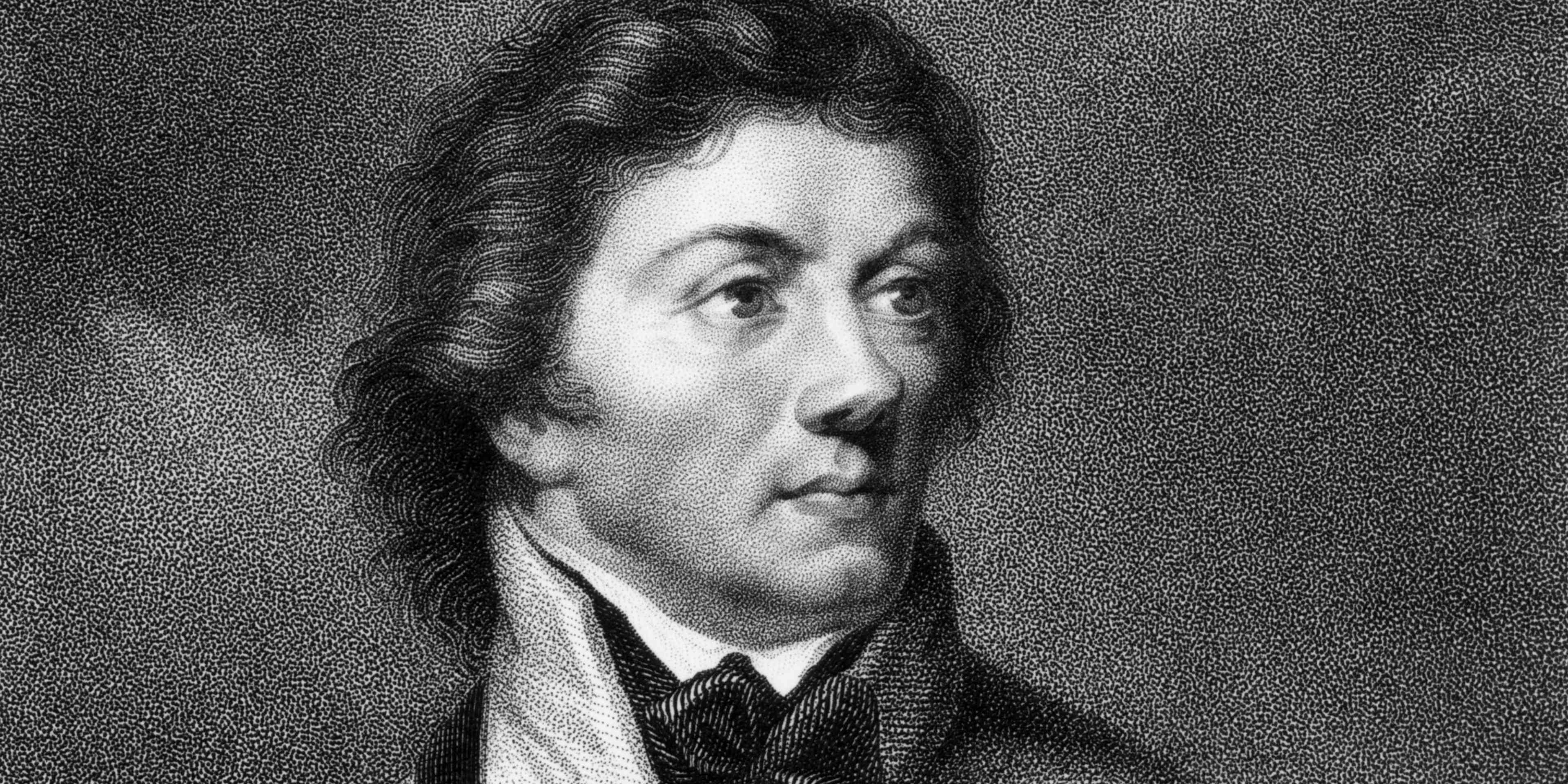
The Making of an Engineer: Historical Background and Early Life
Born on February 4, 1746, in the Polish-Lithuanian Commonwealth, Andrzej Tadeusz Bonawentura Kosciuszko grew up in a modest family of noble origins. From an early age, he exhibited a brilliant mind and a keen interest in military science. He enrolled in the newly established Royal Military Academy of Warsaw (the Cadet Corps), where he excelled in engineering, mathematics, and military history. Recognizing his immense potential, King Stanisław August Poniatowski funded Kosciuszko’s travel to Paris in 1769 for advanced studies at the Royal Academy of Painting and Sculpture, as well as informal military training in engineering and artillery tactics.
When Kosciuszko returned to Poland in 1774, he found his homeland deeply fractured and partially partitioned by more powerful neighbors. Struggling to find a military post and heartbroken after a failed romantic engagement with a high-born woman, Kosciuszko resolved to seek his fortune abroad. Inspired by the philosophical ideals of the Enlightenment and the rumblings of revolution across the Atlantic, he set sail for America in the summer of 1776, arriving in Philadelphia just weeks after the signing of the Declaration of Independence.
Engineering Liberty: Joining the Continental Army
Upon his arrival in the American colonies, Kosciuszko immediately offered his engineering expertise to the Continental Congress. Recognizing his credentials, the Congress appointed him a colonel of engineers in October 1776. His first major assignment was to fortify Philadelphia, the temporary capital of the revolutionary government, against a potential naval attack via the Delaware River. He constructed impressive underwater obstructions and shore-line fortifications that successfully deterred British warships.
To understand the military environment Kosciuszko entered, one must look at the complex leadership of the revolutionary forces. The Continental Army was still a young, inexperienced, and highly disorganized fighting force. Knowing who commanded the Continental Army before Washington and how local militias operated reveals the massive uphill battle the revolutionaries faced. Kosciuszko’s formal European military education brought a level of scientific precision and structural discipline that the American forces desperately needed to survive against the professional British army.
Turning Points of the Revolution: Saratoga and West Point
Tadeusz Kosciuszko’s most significant contributions to the American victory occurred in the northern theater. In 1777, General Horatio Gates tasked Kosciuszko with planning the defensive strategy for the American army at Bemis Heights, overlooking the Hudson River near Saratoga. Kosciuszko utilized the natural topography of the area to construct formidable dirt and timber redoubts. His brilliant positioning forced the British forces under General John Burgoyne to attack fortified positions where they suffered catastrophic losses. The British surrender at Saratoga in October 1777 is widely considered the pivotal turning point of the Revolutionary War, as it convinced the Kingdom of France to formally enter the war as an American ally.
Recognizing Kosciuszko’s engineering genius, General George Washington commissioned him in 1778 to design and build the military fortifications at West Point. This strategic perch on the Hudson River was considered the most critical defensive position in America, preventing the British from cutting off the 13 colonies from New England. Kosciuszko spent over two years designing a complex system of redoubts, forts, and a massive iron chain stretched across the river to block enemy shipping. The fortifications were so secure that they were considered completely impenetrable. Decades later, this historic site became the home of the U.S. Military Academy.
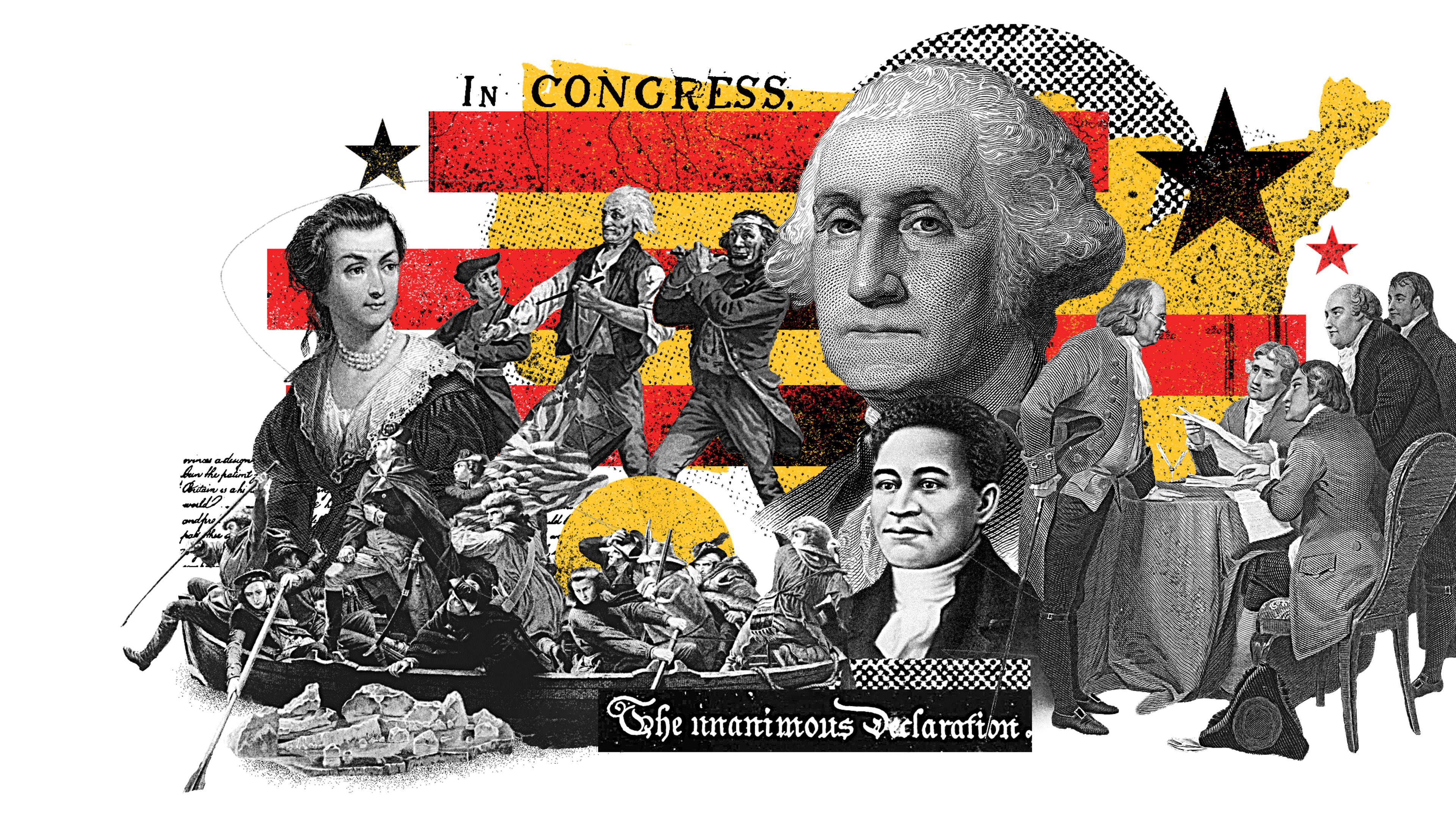
Key Events Timeline in the Life of Kosciuszko
- 1746: Born in the Grand Duchy of Lithuania (Polish-Lithuanian Commonwealth).
- 1769-1774: Studies military engineering and arts in Paris, France.
- 1776: Arrives in America and is appointed Colonel of Engineers by the Continental Congress.
- 1777: Directs the defensive fortifications at Saratoga, leading to a major British surrender.
- 1778-1780: Builds the impenetrable fortresses at West Point on the Hudson River.
- 1783: Promoted to Brigadier General, awarded U.S. citizenship, and receives the Society of the Cincinnati medal.
- 1794: Returns to Poland and leads the Kosciuszko Uprising against Russian and Prussian partitions.
- 1796: Released from Russian imprisonment and returns to a hero’s welcome in the United States.
- 1817: Dies in exile in Solothurn, Switzerland, and is later buried in Wawel Cathedral, Krakow.
The Polish Uprising: Fighting for European Liberty
After the American Revolutionary War concluded, Kosciuszko returned to Poland in 1784, hoping to apply his revolutionary experience to free his own homeland from the grip of foreign powers, particularly Catherine the Great’s Russian Empire. When the Russian army invaded in 1792, Kosciuszko led his forces with remarkable bravery, but the Polish government eventually capitulated, forcing him into exile.
In 1794, Kosciuszko returned as the Commander-in-Chief of the Polish national forces, launching the historic Kosciuszko Uprising. To mobilize support from all social classes, he issued the Proclamation of Połaniec, which partially abolished serfdom and granted civil liberties to the peasantry. This move angered many wealthy Polish nobles but inspired thousands of peasants to take up arms, famously wielding scythes converted into combat weapons. Despite early victories and a valiant defense of Warsaw, Kosciuszko was severely wounded and captured at the Battle of Maciejowice in October 1794. Without his leadership, the uprising collapsed, and the Third Partition of 1795 erased Poland from the map of Europe for over a century.
A Moral Crusade: Friendship with Thomas Jefferson and Radical Wills
Upon his release from Russian imprisonment in 1796, Kosciuszko returned to the United States in August 1797. He was greeted as a transatlantic hero. During this second stay, he formed a deep, lasting friendship with Thomas Jefferson, then the Vice President of the United States. The two intellectuals corresponded for over twenty years, discussing philosophy, agriculture, and human rights.
Kosciuszko’s commitment to human liberty was absolute and ahead of his time. He was deeply troubled by the institution of slavery in America. Before returning to Europe, he wrote a last will and testament, appointing Jefferson as the executor. In this document, Kosciuszko directed that his American estate and back-pay from the Revolutionary War be used to purchase the freedom of enslaved people, including Jefferson’s own, and provide them with education and land to live independently. While navigating the legal realities and 13 facts about the 13 colonies and their early state successor laws, Jefferson found himself unable or unwilling to execute the complex will after Kosciuszko’s death, leading to a tragic legal dispute that left the funds largely unused for their intended purpose. Nevertheless, the will remains a powerful historical statement against slavery.
Lesser-Known Facts About Tadeusz Kosciuszko
1. A Deep Bond with Indigenous Peoples
Kosciuszko was a fierce advocate for marginalized groups, including Native Americans. During his second stay in America, he met with Chief Little Turtle (Michikinikwa) of the Miami Nation. Kosciuszko, moved by the Chief’s fight to defend his people’s sovereignty, presented him with his favorite pair of pistols and a fine wool jacket, instructing him to use them against anyone who sought to take his land or liberty.
2. The Artist and Musician
Aside from his military mind, Kosciuszko was an accomplished artist. He painted numerous portraits, including a famous watercolor of Thomas Jefferson. He also composed several musical pieces, including polonaises and waltzes for the pianoforte, which became popular in European salons.
3. Snubbing Napoleon Bonaparte
When Napoleon Bonaparte was building his empire and sought Polish recruits for his campaign against Russia, he reached out to Kosciuszko for support. Kosciuszko, skeptical of Napoleon’s true commitment to Polish democracy, demanded written guarantees of a democratic constitution for Poland. When Napoleon refused, Kosciuszko chose to remain in exile, refusing to be used as a political pawn.
Why Kosciuszko Still Matters Today
Tadeusz Kosciuszko’s legacy is far more than a collection of historic monuments and street names. He is a timeless symbol of international solidarity, human rights, and the defense of the oppressed. His unwavering stance against tyranny, serfdom, and slavery reminds modern societies that true freedom is indivisible and must be extended to all humanity regardless of race, class, or nation. From the Kosciuszko Bridge in New York to Mount Kosciuszko in Australia, his name continues to represent the universal struggle for liberty and justice.
People Also Ask (FAQs)
Why did Tadeusz Kosciuszko come to America?
Kosciuszko came to America in 1776 because he was deeply inspired by the ideals of the Enlightenment and the American struggle for independence. Additionally, he was facing personal heartbreak and political frustration in a divided Poland, prompting him to offer his advanced military engineering skills to the Continental Army.
What was Kosciuszko’s most important contribution to the American Revolution?
His most important contributions were designing the defensive works at Bemis Heights, which led directly to the critical American victory at the Battle of Saratoga, and constructing the impenetrable fortifications at West Point along the Hudson River.
What did Kosciuszko do with his American fortune?
Kosciuszko left his American estate in a will to purchase the freedom of enslaved people and fund their education, appointing Thomas Jefferson as the executor. Unfortunately, due to legal complexities and Jefferson’s eventual decline of the role, the terms of the will were never fully carried out.
Conclusion
Tadeusz Kosciuszko was a visionary strategist whose engineering genius shaped the physical defenses of the United States, while his moral convictions challenged the social fabric of the young republic. By defending the Hudson River, advocating for the rights of the enslaved, and championing the sovereignty of indigenous peoples, Kosciuszko exemplified the highest ideals of the Enlightenment. Today, he remains a celebrated hero of two nations, reminding us that the blueprint of liberty must always be built on a foundation of universal human dignity.


